Wisteria: Planting and Caring for the Magnificent Climbing Plant
Introduction
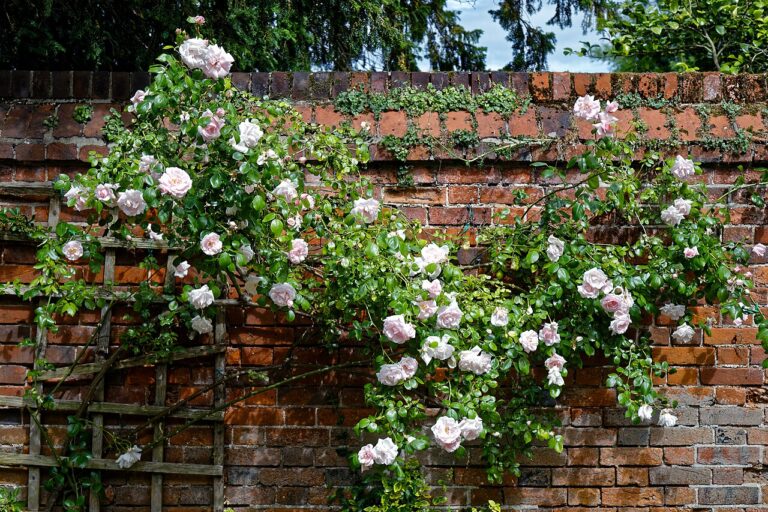
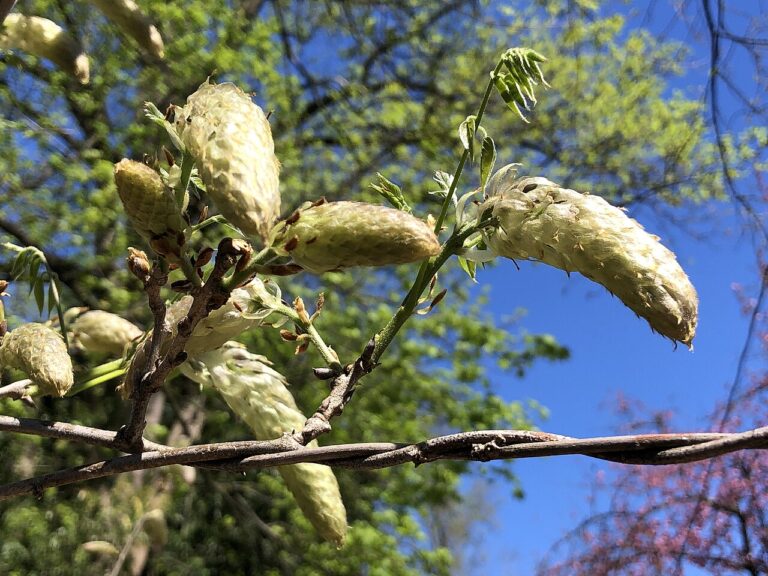
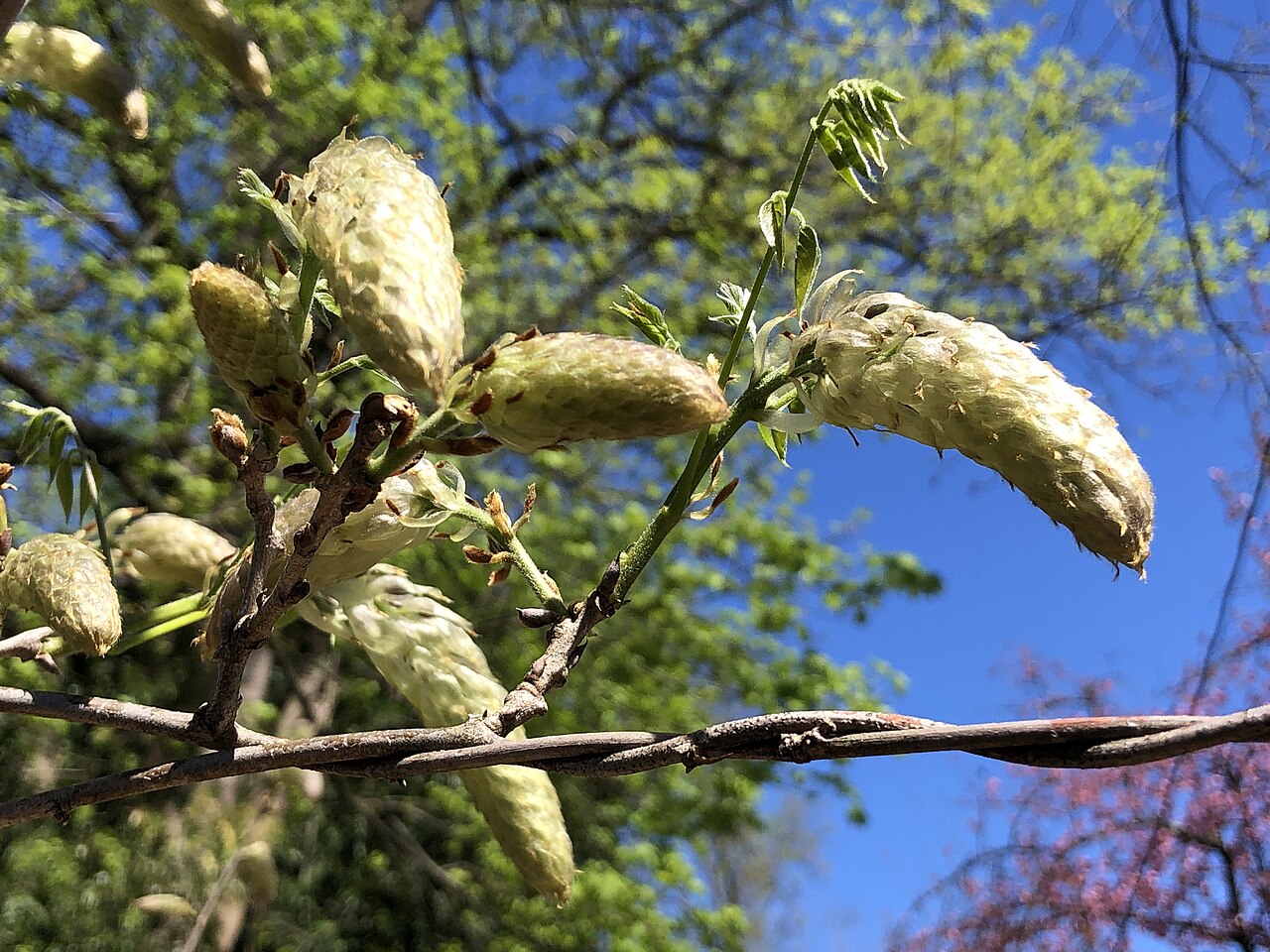
Photo: Famartin (CC BY-SA 4.0, Wikimedia Commons)
Photo: Japanese fine prints, pre-1915 (Public domain, Wikimedia Commons)
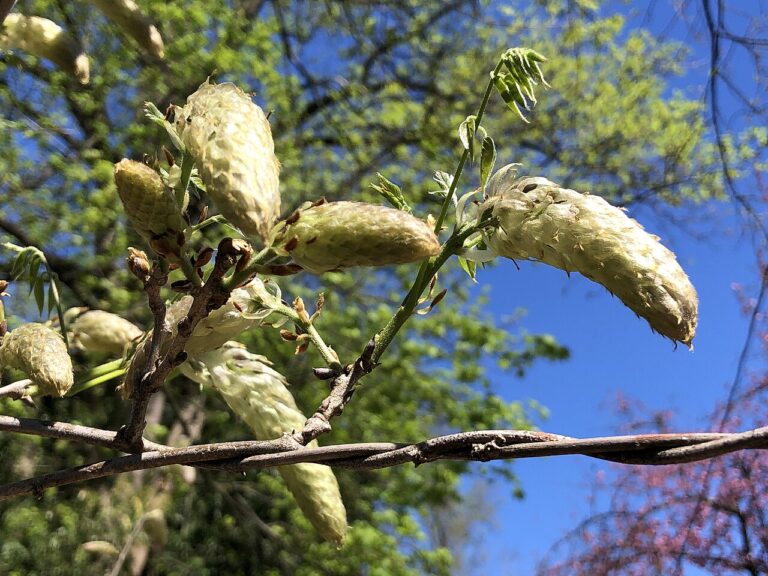
Wisteria (Wisteria sinensis) is one of the most spectacular climbing plants that thrives in temperate climates. From May to June, its winding vines become covered in drooping flower clusters up to 50 cm (20 in) long, in blue, violet, or white, giving off an intoxicatingly sweet scent. Wisteria isn’t for the impatient, though — it needs space, a sturdy support structure, and regular pruning.
Who This Is For
The Perfect Location
Wisteria needs a full-sun, warm, wind-sheltered spot. Only with plenty of sun will it bloom reliably and abundantly. The soil should be deep, nutrient-rich, and well-draining. Wisteria cannot tolerate waterlogged or compacted soil. A spot against a south-facing wall or a solid pergola is ideal.
Buying Criteria
Important: wisteria is a heavyweight. Mature plants can weigh several hundred kilograms and exert enormous pulling force. The support structure must be sized accordingly — solid steel frameworks or thick wooden posts are a must. Downspouts and lightweight fences will inevitably be destroyed.
Product/Option Categories
Planting
Plant wisteria in spring. The planting hole should be generously sized — at least 60 cm (24 in) deep and wide. Mix the excavated soil with plenty of compost and a bit of horn shavings. Set the plant at the same depth it sat in its pot, and water it in well. Wisteria needs regular watering during its first two years.
Trade-offs
The Crucial Pruning
Without regular pruning, wisteria blooms sparsely and grows out of control. Prune twice a year:
Summer pruning (July/August): Cut back all of this year’s long shoots to 3–5 leaves (about 30–50 cm / 12–20 in). This encourages flower bud formation for next year.
Disclosure
This article may contain affiliate links. If you purchase a product through one of these links, Plantgecko may earn a commission at no extra cost to you. This never influences our editorial independence or which products we recommend.
| Product | Best For | Price | |
|---|---|---|---|
| thick wooden posts | Top Pick | Check price | View |
| horn shavings | Budget Alternative | Check price | View |
Recommendation Framework
Winter pruning (January/February): Cut the same shoots back further, to 2–3 buds (about 5–10 cm / 2–4 in). Remove any awkward, weak, or crossing shoots.
Patience Pays Off.
Conclusion
Wisteria takes time. Grafted plants often bloom within 2–3 years, while wisteria grown from seed can take 7–10 years to flower for the first time. For that reason, always buy grafted plants from a nursery. Fertilize sparingly — too much nitrogen encourages leaf growth at the expense of flowers.