Ivy as a Climbing Plant – Evergreen Privacy Screen with Added Value
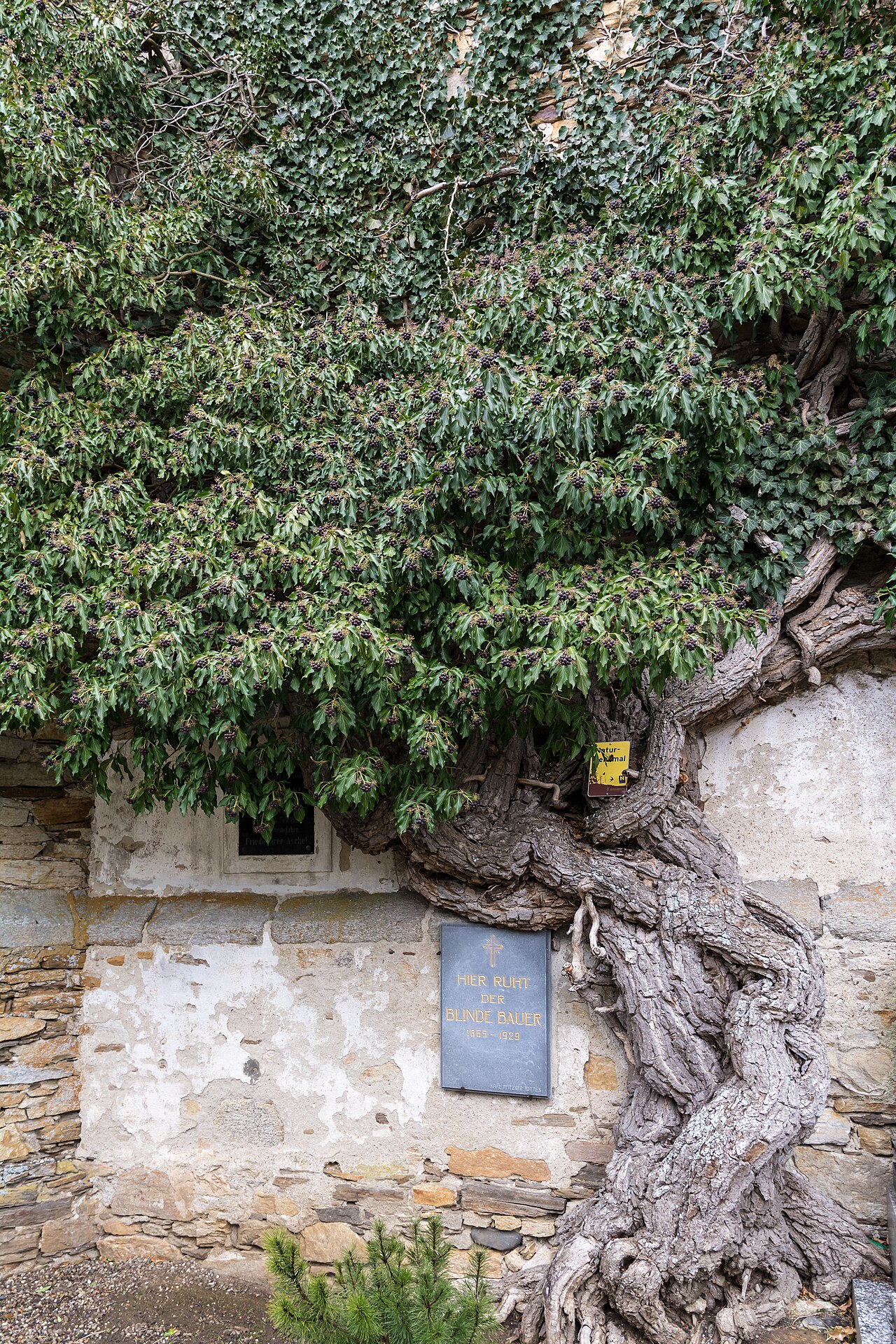
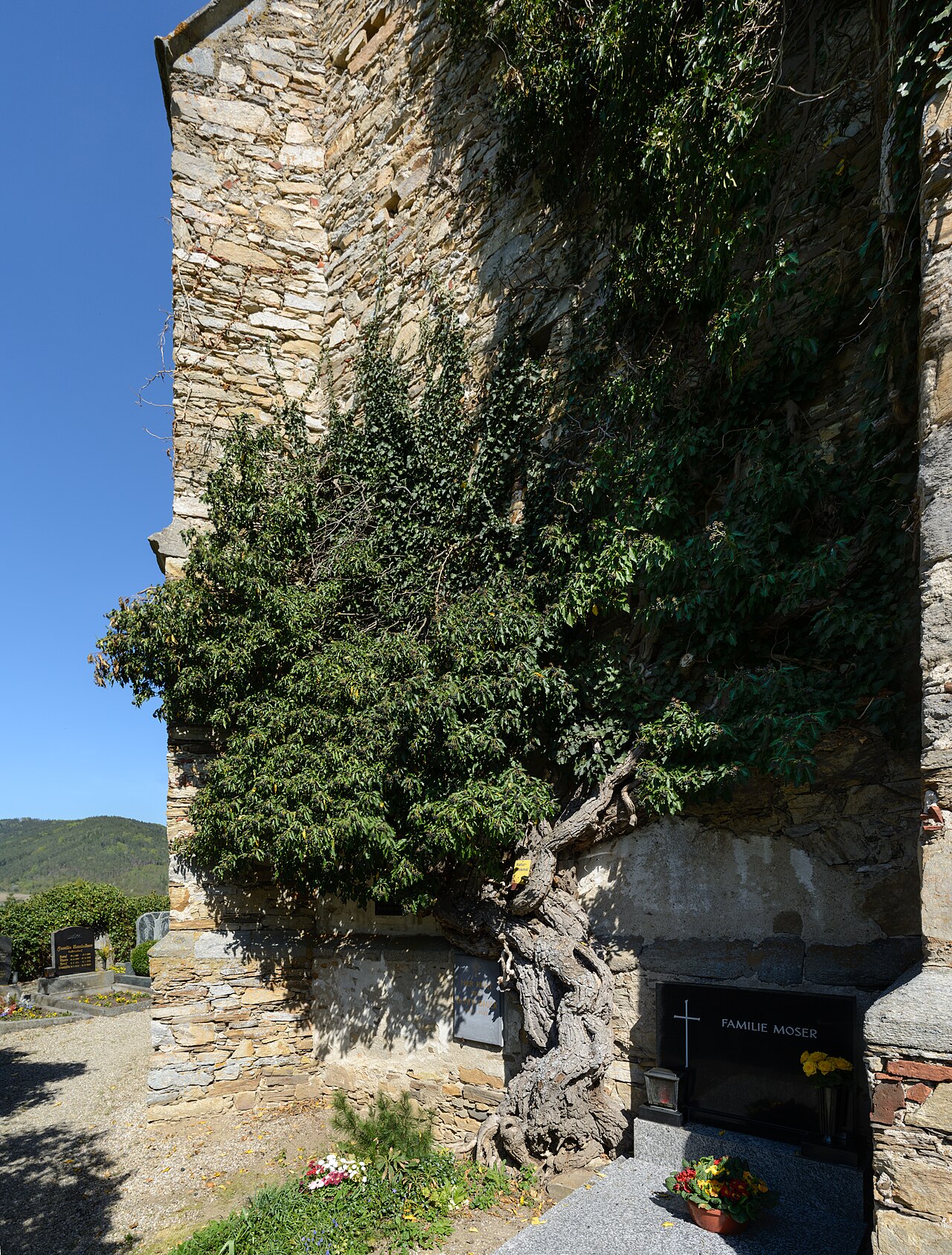
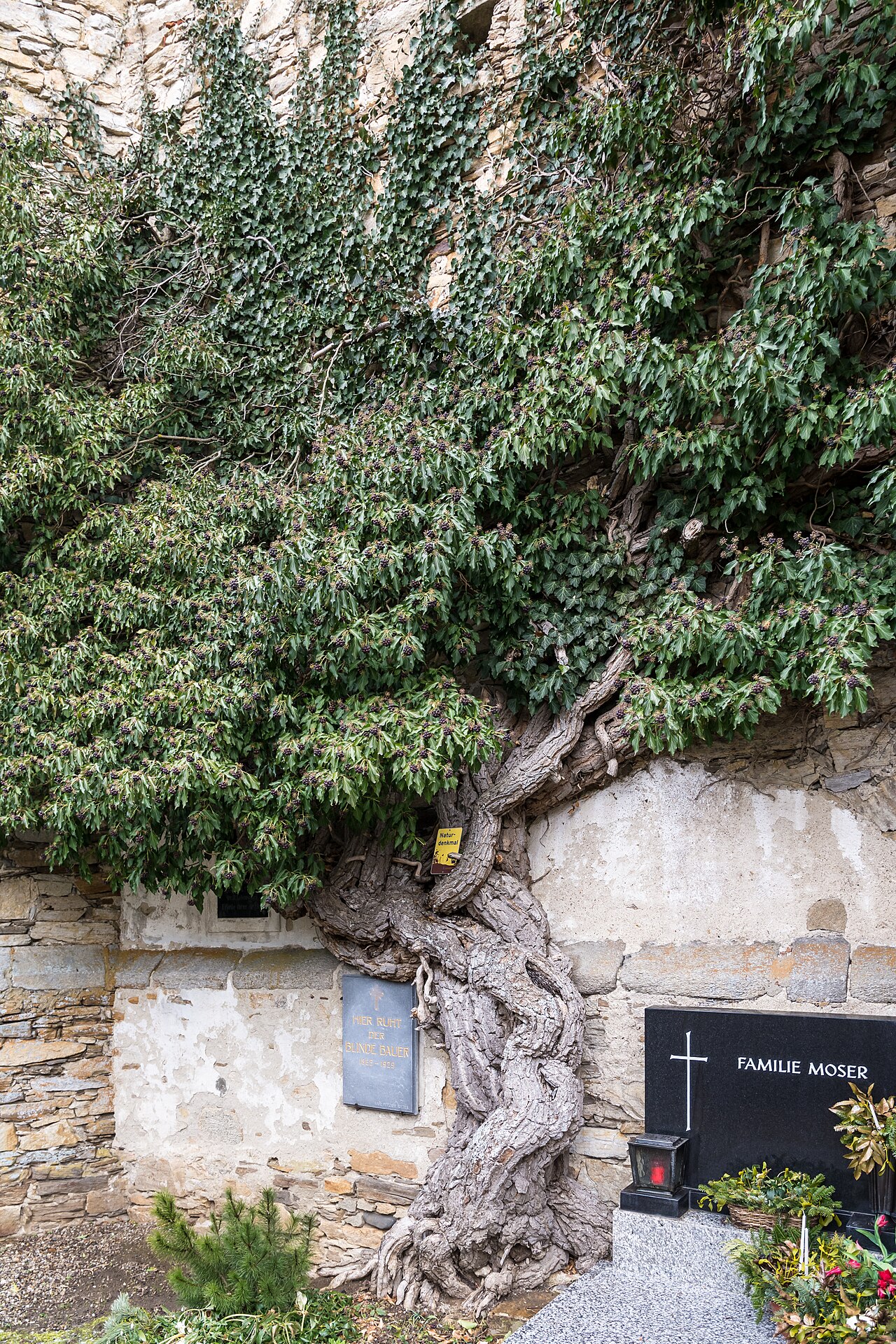
Ivy (Hedera helix) is perhaps the most versatile and toughest climbing plant for the home garden. With its evergreen leaves, it offers year-round privacy screening, provides valuable habitat for birds and insects, and thrives even in the most difficult locations. In this guide, learn how to plant, care for, and keep ivy under control.
Advantages of Ivy as a Climbing Plant
- Year-round privacy: Evergreen and densely leaved
- Extremely shade-tolerant: Thrives even on north-facing walls
- Self-clinging: Needs no trellis or support
- Ecologically valuable: Nesting site for birds, late-season food for bees
- Air-purifying: Filters particulate matter from the air
- Low-maintenance: Thrives with minimal care
Location and Planting
Ivy is extremely adaptable and thrives in both sunny and deeply shaded spots. The soil should be humus-rich and not too dry. Plant ivy in spring or fall, spacing individual plants 30 to 50 cm (12 to 20 inches) apart. Loosen the soil thoroughly and work in some compost. Water well after planting.
A note of caution: ivy clings to surfaces using aerial rootlets. This is harmless on intact, well-pointed walls, but on crumbling plaster or damaged façades, the rootlets can penetrate and cause damage. Check the condition of your wall before planting.
Care and Pruning
Ivy is extremely low-maintenance. Water only during prolonged dry spells. An annual application of compost in spring is beneficial but not essential. Pruning can be done any time the weather is frost-free. Cut back any shoots growing over windows, gutters, or into unwanted areas. Ivy tolerates hard pruning without any trouble.
Keeping Ivy Under Control
Given good growing conditions, ivy can spread vigorously and should be checked regularly. Trim the plant back once or twice a year to keep it in the shape you want, and remove any shoots straying beyond the intended climbing area. Old, thick ivy stems have great ecological value, so leave them in place wherever possible.
This article may contain affiliate links. If you purchase a product through one of these links, Plantgecko may earn a commission at no extra cost to you. This never influences our editorial independence or which products we recommend.