Sedum (Stonecrop): The Low-Maintenance Ground Cover for Sunny Spots
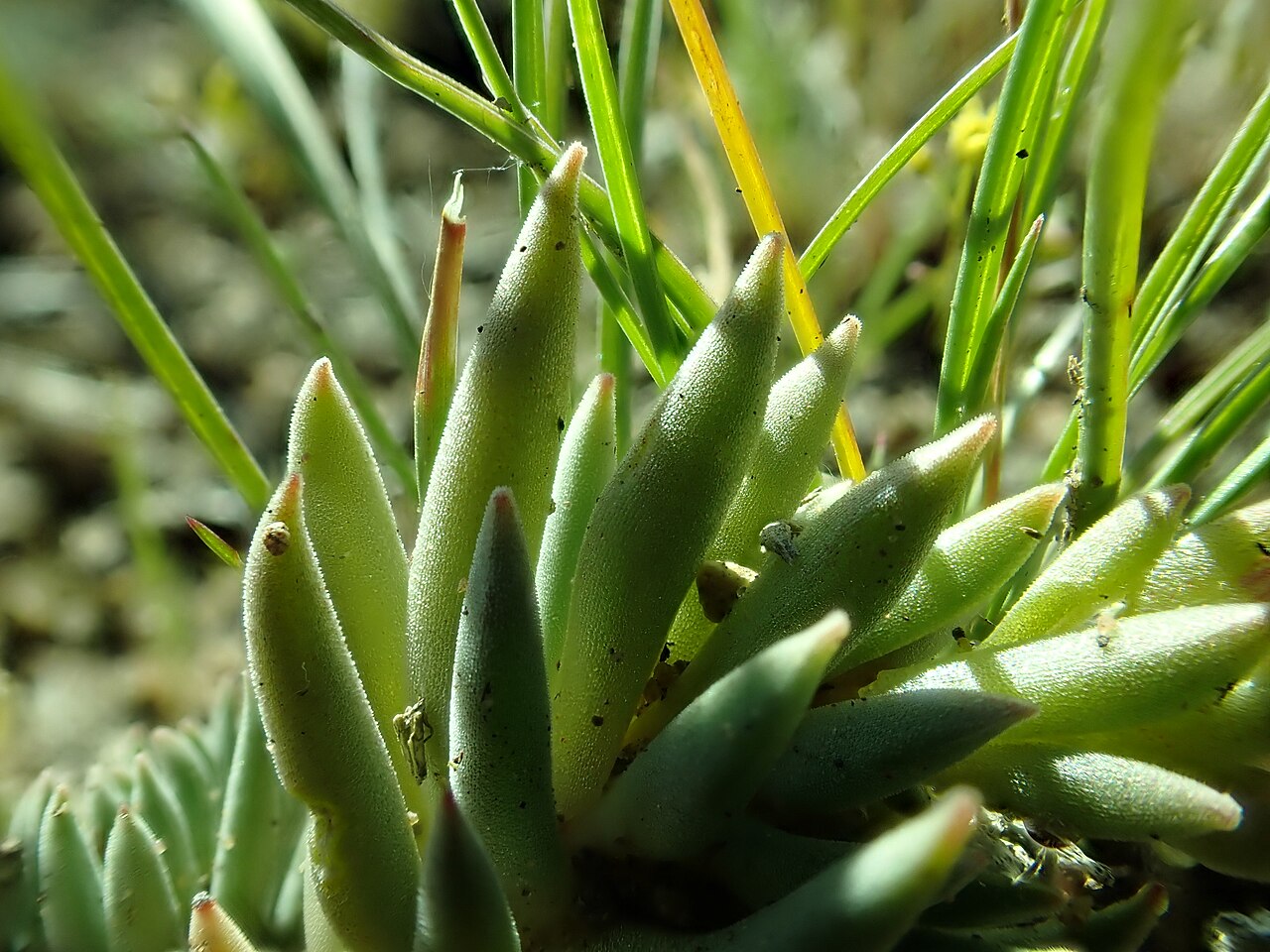
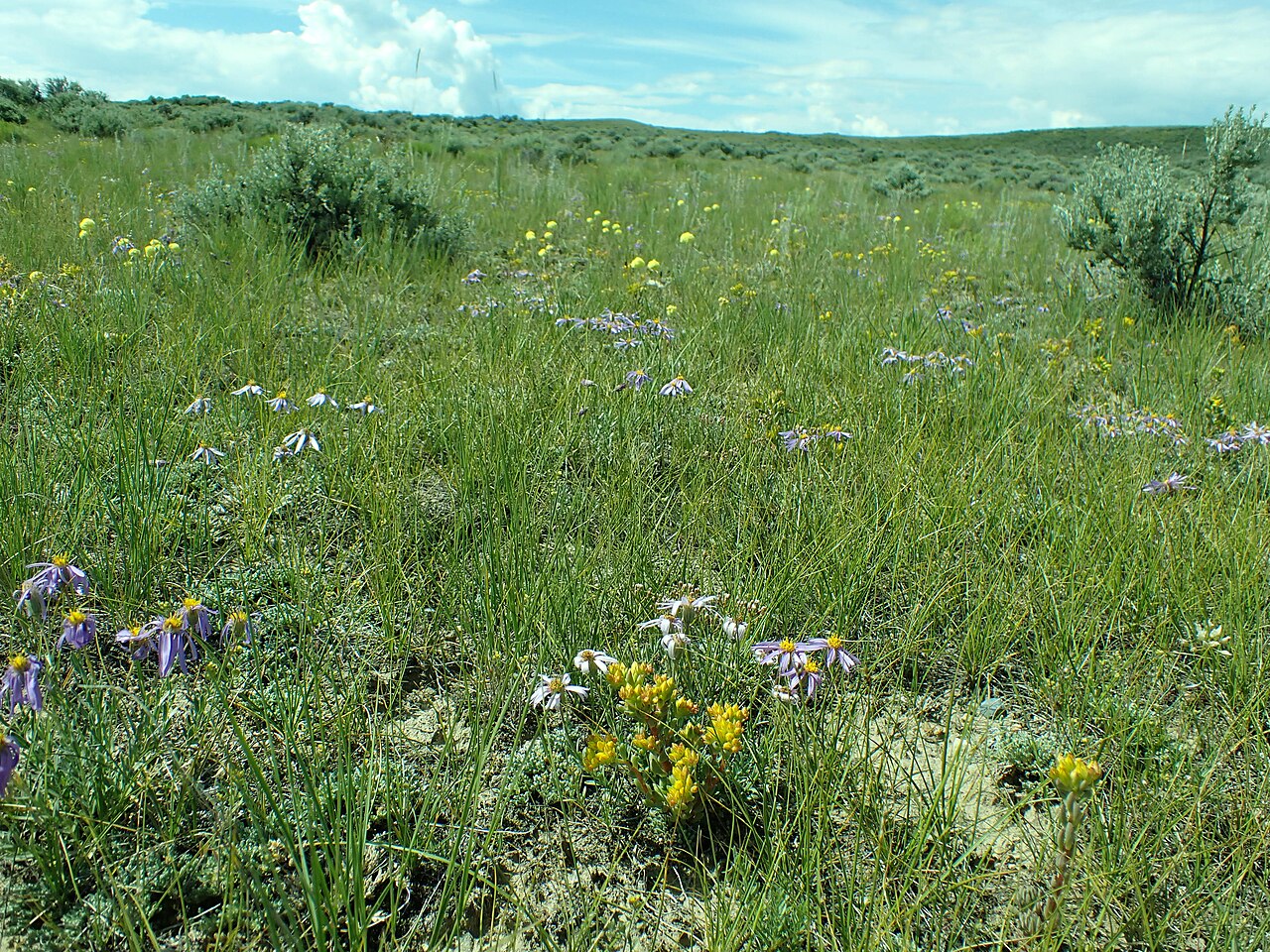
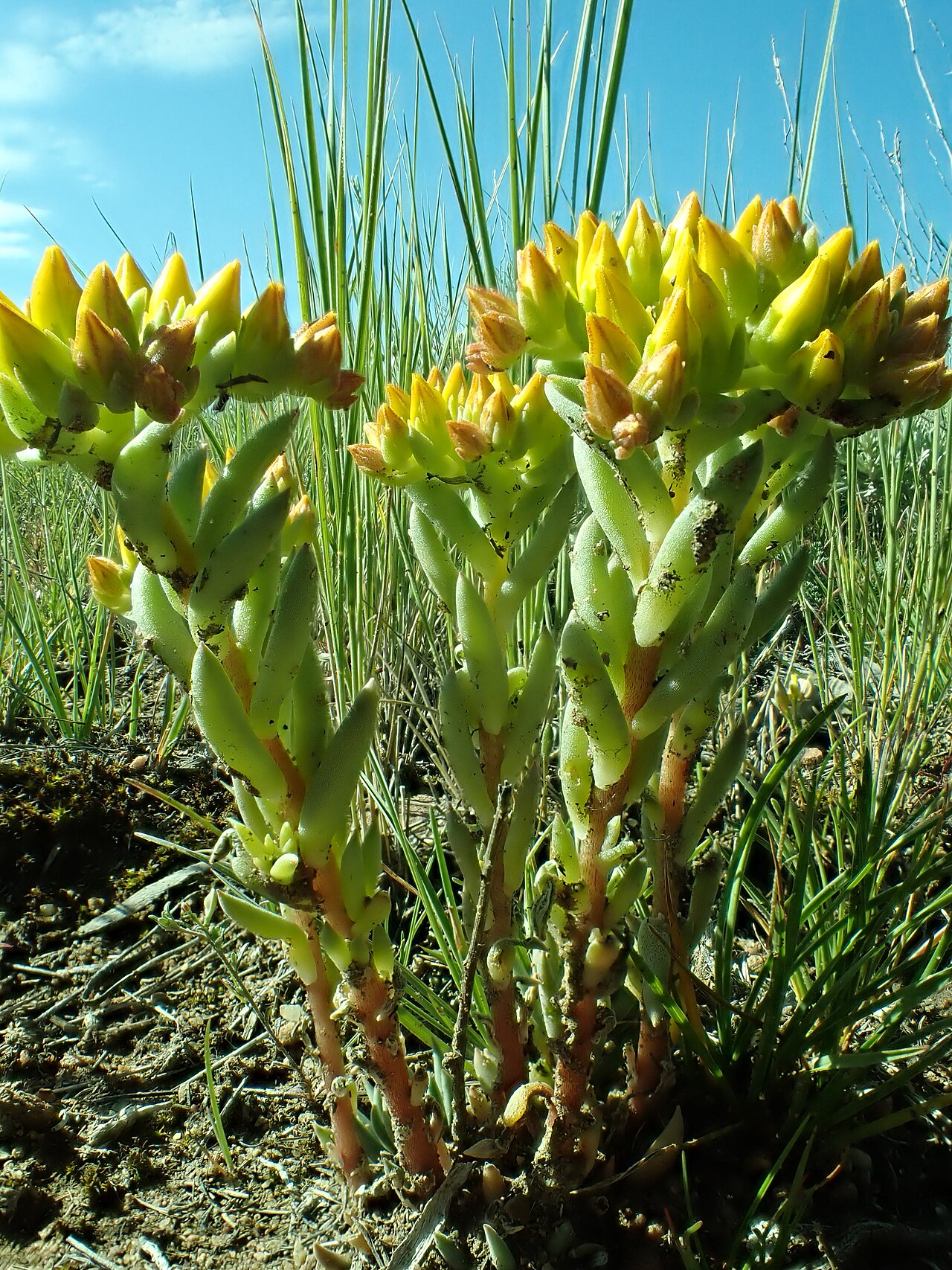
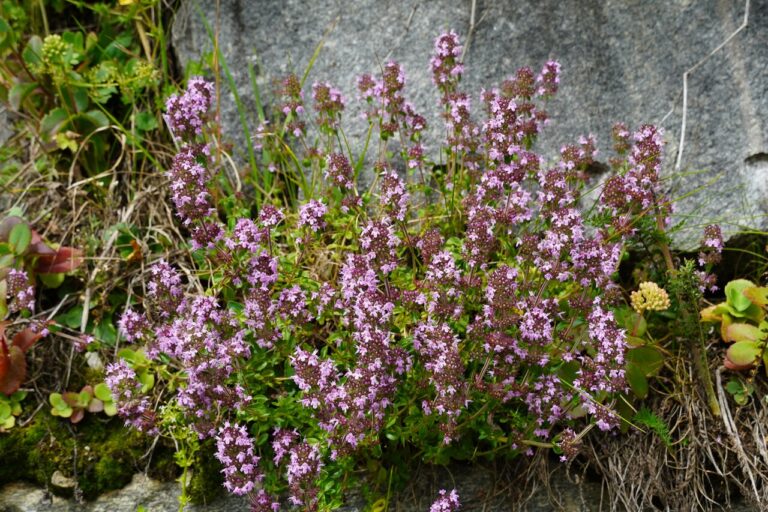
Sedum species, also known as stonecrop, are among the most valuable and low-maintenance ground covers for sunny, dry locations. With their fleshy, water-storing leaves, they withstand even extreme drought and form dense, flowering carpets that reliably suppress weeds. They are also excellent for pollinators.
The Best Sedum Species for Ground Cover
| Species | Height | Flower Color | Foliage Color |
|---|---|---|---|
| Sedum spurium (two-row stonecrop) | 10–15 cm (4–6 in) | Pink to purple | Green, red cultivars |
| Sedum acre (goldmoss stonecrop) | 5–10 cm (2–4 in) | Yellow | Light green |
| Sedum floriferum (Kamtschatka stonecrop) | 10–15 cm (4–6 in) | Golden yellow | Dark green |
| Sedum album (white stonecrop) | 5–10 cm (2–4 in) | White | Red-green |
The Perfect Location
Sedum species are true sun worshippers and thrive best in full sun, hot locations. They are an ideal choice for rock gardens, dry stone walls, green roofs, and sunny slopes. The soil should be well-draining, sandy-gravelly, and rather low in nutrients. Heavy, clay-rich soils need to be loosened with plenty of sand and grit before planting. Waterlogging is stonecrop’s biggest enemy.
Planting and Propagation
Plant sedum in spring, spacing plants 20–30 cm (8–12 in) apart. For quick ground coverage, 12–16 plants per square meter (roughly one per square foot) are enough. Sedum is incredibly easy to propagate: simply break off a piece of stem, stick it in the soil, and press down lightly — within a few weeks it will have rooted. Even fallen leaves often root on their own.
Minimal Care, Maximum Impact
Sedum is almost entirely maintenance-free. Watering is only needed during extreme dry spells and in the plant’s first year. Skip fertilizing altogether — too many nutrients lead to soft, lush growth and reduced winter hardiness. Pruning isn’t necessary; simply remove dead shoots in early spring to make room for new growth.
This article may contain affiliate links. If you purchase a product through one of these links, Plantgecko may earn a commission at no extra cost to you. This never influences our editorial independence or which products we recommend.