Foamflower (Tiarella cordifolia): The Blooming Ground Cover for Shade
Foamflower (Tiarella cordifolia) – The Blooming Ground Cover for Shade
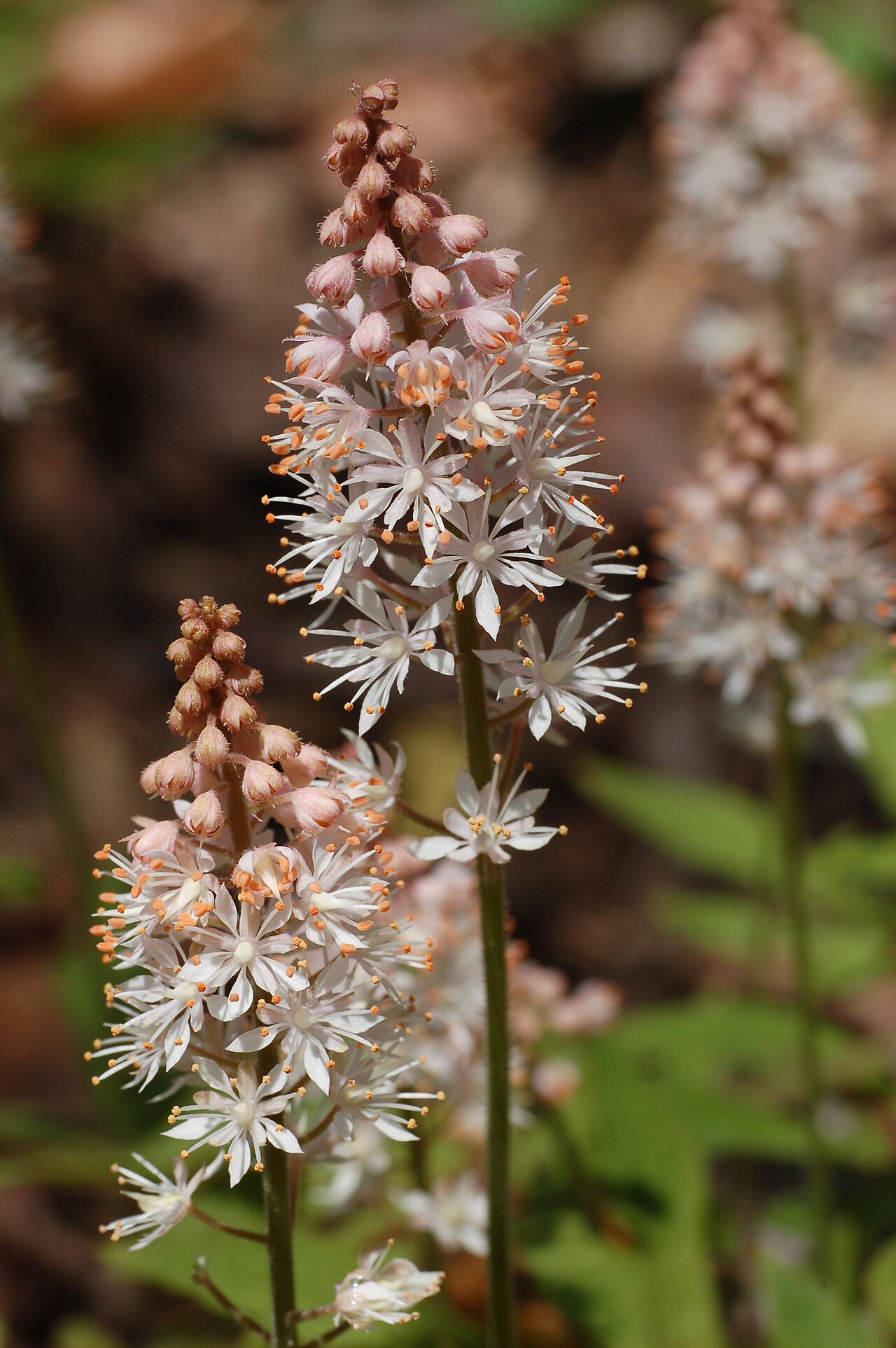
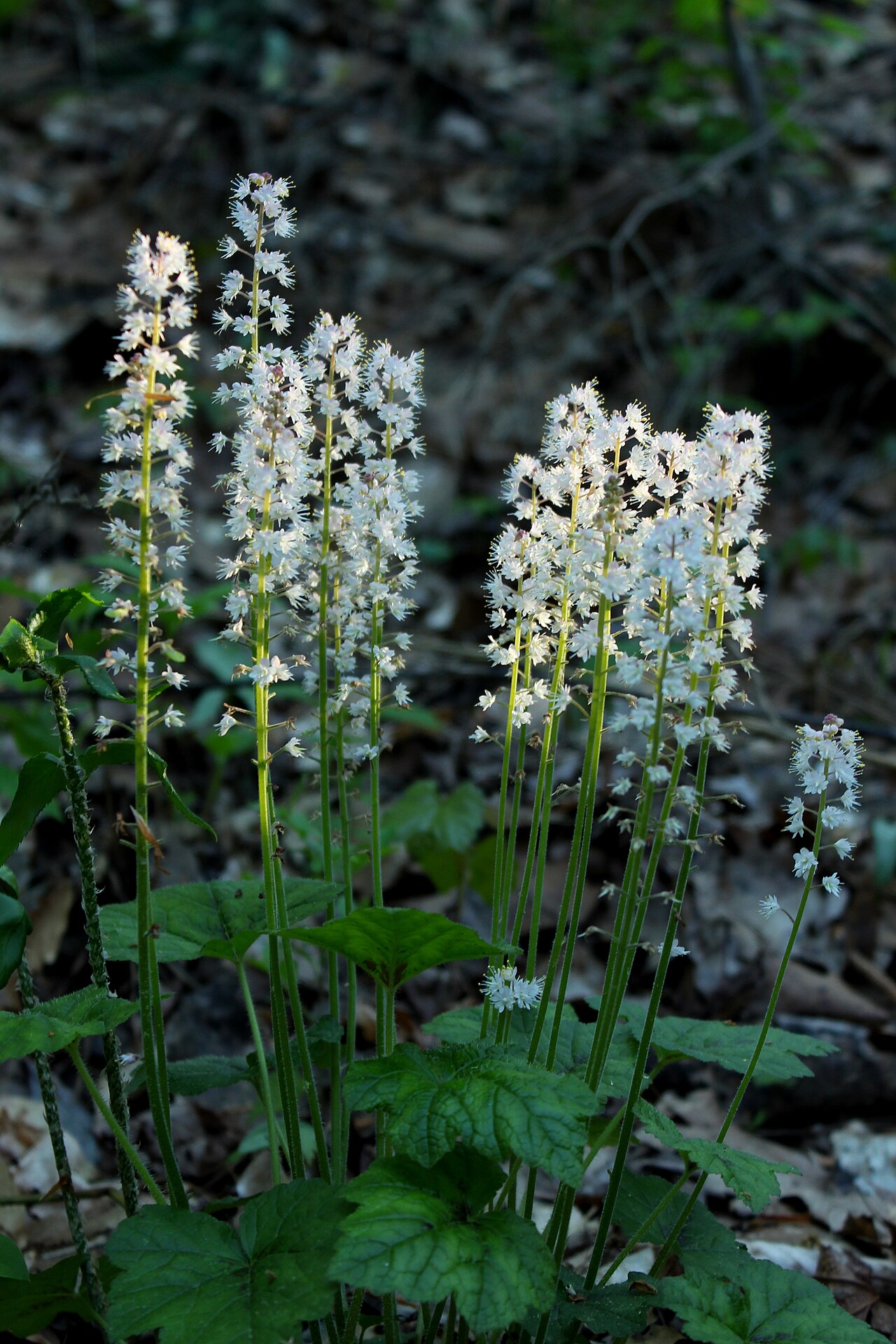
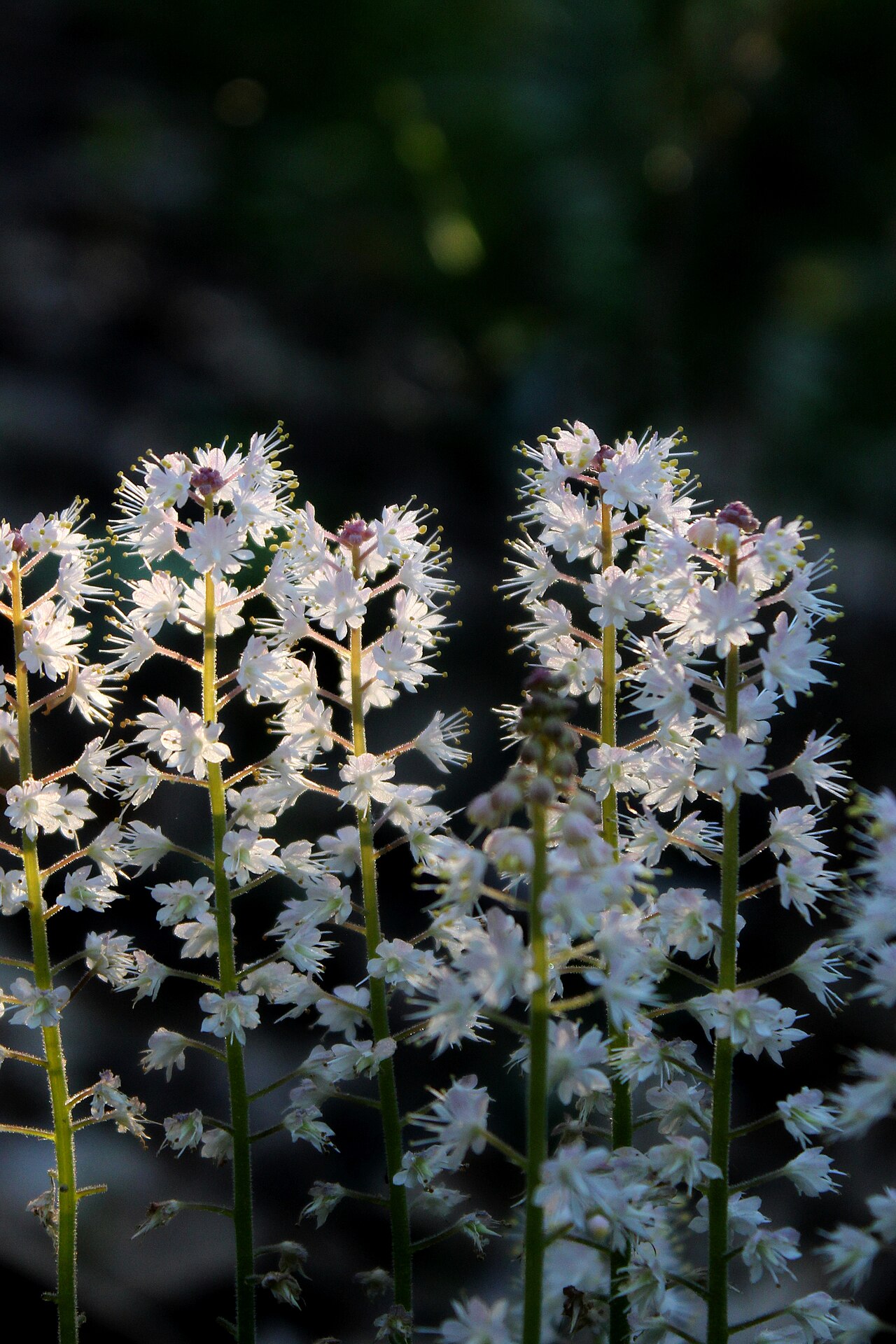
Foamflower (Tiarella cordifolia) is one of the most beautiful, yet most underrated, ground covers for shady gardens. With its heart-shaped, often attractively marked leaves and its foamy-looking white to soft pink flower spikes in spring, it brings light and lightness to even the darkest corners of the garden. The name “foamflower” fits perfectly — when the plant is in full bloom in April and May, it looks as though someone has spread a carpet of foam over the ground.
Foamflower is native to the forests of North America, where it thrives as an understory plant in humus-rich, moist, shady locations. It’s an ideal companion for ferns, hostas, barrenworts, and other shade perennials.
Location and Soil
Foamflower is a classic shade plant. It grows best in partially shaded to fully shaded spots, though with sufficient soil moisture it can also tolerate some morning or evening sun. Intense midday sun, on the other hand, leads to leaf scorch and stunted growth.
The soil should be humus-rich, loose, and evenly moist. Foamflower loves fresh, nutrient-rich woodland soil with a slightly acidic pH (5.5–6.5). It doesn’t tolerate waterlogging, but the soil shouldn’t be allowed to dry out completely either. A mulch layer of leaf litter or bark compost helps retain soil moisture while also supplying nutrients.
Planting and Uses
Planting is done in spring or fall. Plant about nine to twelve plants per square meter (roughly one per square foot), spaced about 30 centimeters (12 inches) apart. Foamflower spreads slowly via short runners and forms a dense, closed carpet within two to three years.
In the garden, it works wonderfully as underplanting beneath trees and shrubs, along shady bed edges, in woodland gardens, and as ground cover for shaded memorial plantings. It looks especially lovely combined with ferns, hostas, coral bells (Heuchera), and lungwort (Pulmonaria).
The Most Beautiful Foamflower Varieties
- Tiarella cordifolia: The straight species, with light green, heart-shaped leaves and pure white flower spikes. Very robust and vigorous. Height: 20–30 cm (8–12 in).
- Tiarella cordifolia ‘Spring Symphony’: An award-winning variety with deeply cut, dark-veined leaves and soft pink flower spikes. Very decorative foliage.
- Tiarella cordifolia ‘Iron Butterfly’: A large-leaved variety with striking dark brown leaf markings. White flowers with a slight pink blush.
- Tiarella cordifolia ‘Pink Skyrocket’: Especially free-flowering, with bright pink flower spikes. The foliage turns bronze-red in fall.
- Tiarella wherryi: Compact growth without runners. Good for small areas and the front of the border. Creamy white flowers.
Care
Caring for foamflower is uncomplicated:
- Water regularly — the soil should never dry out completely
- Remove spent flower spikes after blooming to encourage a second flush
- Remove dead leaves in spring
- Divide every three to four years to maintain vigor
- An annual application of compost or a light dose of organic fertilizer in spring is enough
- Winter protection isn’t necessary — foamflower is completely hardy
Conclusion: The Elegant Shade Bloomer
Foamflower is an underrated treasure for shady garden areas. It combines attractive, often boldly marked foliage with a delicate, foamy flush of flowers in spring, all while being remarkably easy to care for and fully winter-hardy. Paired with ferns, hostas, and other shade perennials, it truly comes into its own, bringing light to the darkest corners of the garden.
This article may contain affiliate links. If you purchase a product through one of these links, Plantgecko may earn a commission at no extra cost to you. This never influences our editorial independence or which products we recommend.