Growing Lettuce Yourself: Cut-and-Come-Again Greens from Garden or Balcony
Introduction
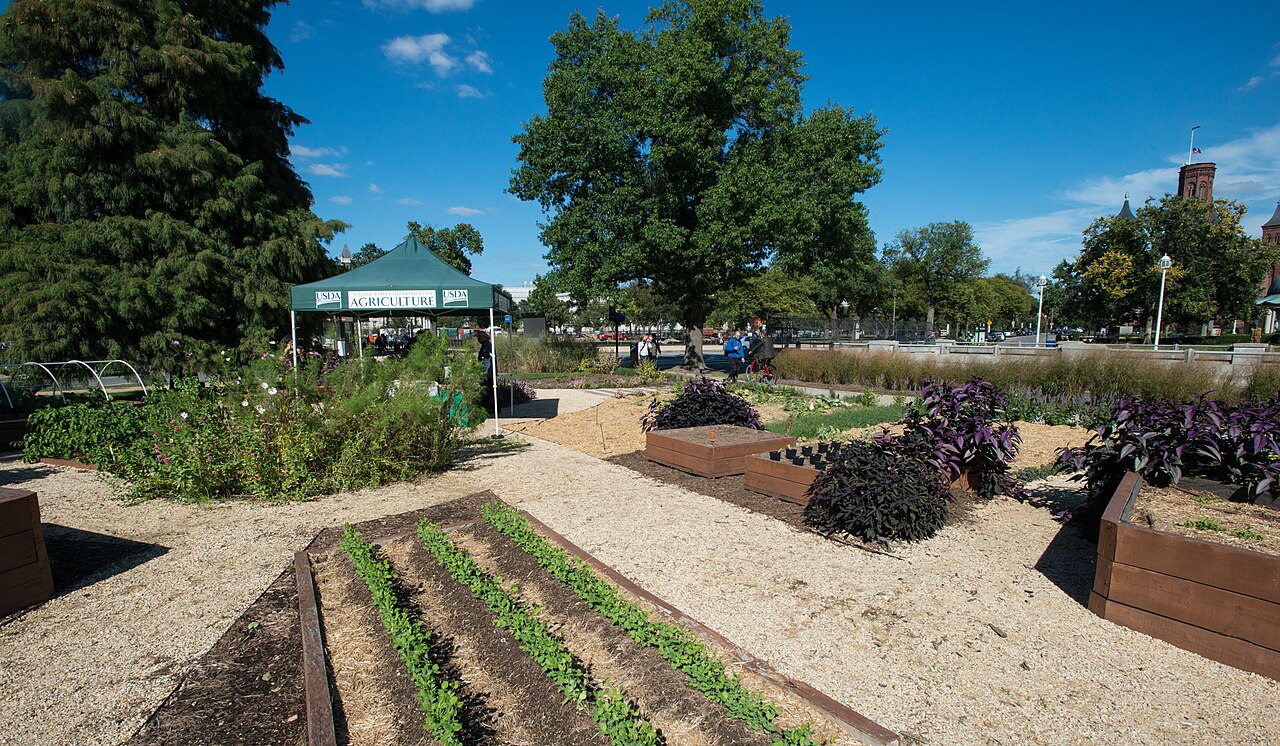
Photo: USDAgov (Public domain, Wikimedia Commons)
What Makes Lettuce Ideal for Small Spaces
Lettuce (Lactuca sativa) is one of the fastest, most forgiving crops for beginner gardeners, and loose-leaf and cut-and-come-again varieties are especially well suited to containers and small garden beds. Rather than waiting for a full head to mature, you harvest individual outer leaves as needed, and the plant keeps producing new growth from the center for weeks.
Who This Is For
Choosing Varieties
Loose-leaf types like ‘Black Seeded Simpson,’ oakleaf, and mesclun mixes regrow readily after cutting. Romaine and butterhead varieties can also be harvested leaf-by-leaf while young, though they eventually form a looser head. For continuous salads, mixing a few varieties with different colors and textures both looks appealing and spreads out the harvest.
Buying Criteria
Growing Conditions
Light: Lettuce prefers 4-6 hours of sun but tolerates partial shade well, especially in warm climates where afternoon shade prevents bolting.
Soil: Use loose, fertile, well-draining soil enriched with compost. Containers should be at least 15-20 cm deep since lettuce has a relatively shallow root system.
Water: Keep soil consistently moist; lettuce’s shallow roots dry out quickly, and drought stress makes leaves bitter and encourages premature bolting.
Product/Option Categories
Temperature: Lettuce is a cool-season crop that grows best between 10-21°C (50-70°F). Hot weather causes bolting (flowering) and bitter-tasting leaves.
Sowing and Spacing
Sow seeds shallowly, just barely covered with soil, since lettuce seed often needs light to germinate. For cut-and-come-again harvesting, seeds can be scattered more densely than for full-head lettuce, roughly 2-3 cm apart, and thinned lightly as seedlings crowd each other. Successive small sowings every two to three weeks keep a steady supply coming rather than one large harvest all at once.
Trade-offs
Harvesting the Cut-and-Come-Again Way
Once leaves reach 8-10 cm, snip or pinch outer leaves about 2-3 cm above the soil, leaving the central growing point intact. New leaves regrow from the center within a week or two. This method can yield several harvests from the same planting before the plant eventually bolts or the growing point is exhausted.
Disclosure
This article may contain affiliate links. If you purchase a product through one of these links, Plantgecko may earn a commission at no extra cost to you. This never influences our editorial independence or which products we recommend.
| Product | Best For | Price | |
|---|---|---|---|
| Black Seeded Simpson | Top Pick | Check price | View |
Recommendation Framework
Common Problems
Bolting: Triggered by heat and long days; once a plant sends up a flower stalk, leaves turn bitter and growth quality declines.
Slugs and snails: Frequent pests on tender lettuce leaves, especially in damp conditions; barriers or hand-picking help control them.
Conclusion
Tip burn: Brown, crispy leaf edges usually indicate inconsistent watering or calcium uptake issues linked to drought stress.
With regular watering, cool growing conditions, and gentle harvesting technique, a single small container or garden bed of lettuce can provide fresh salad greens for a large part of the growing season.