Thyme as Ground Cover: Fragrant Cushions for Sunny Spots
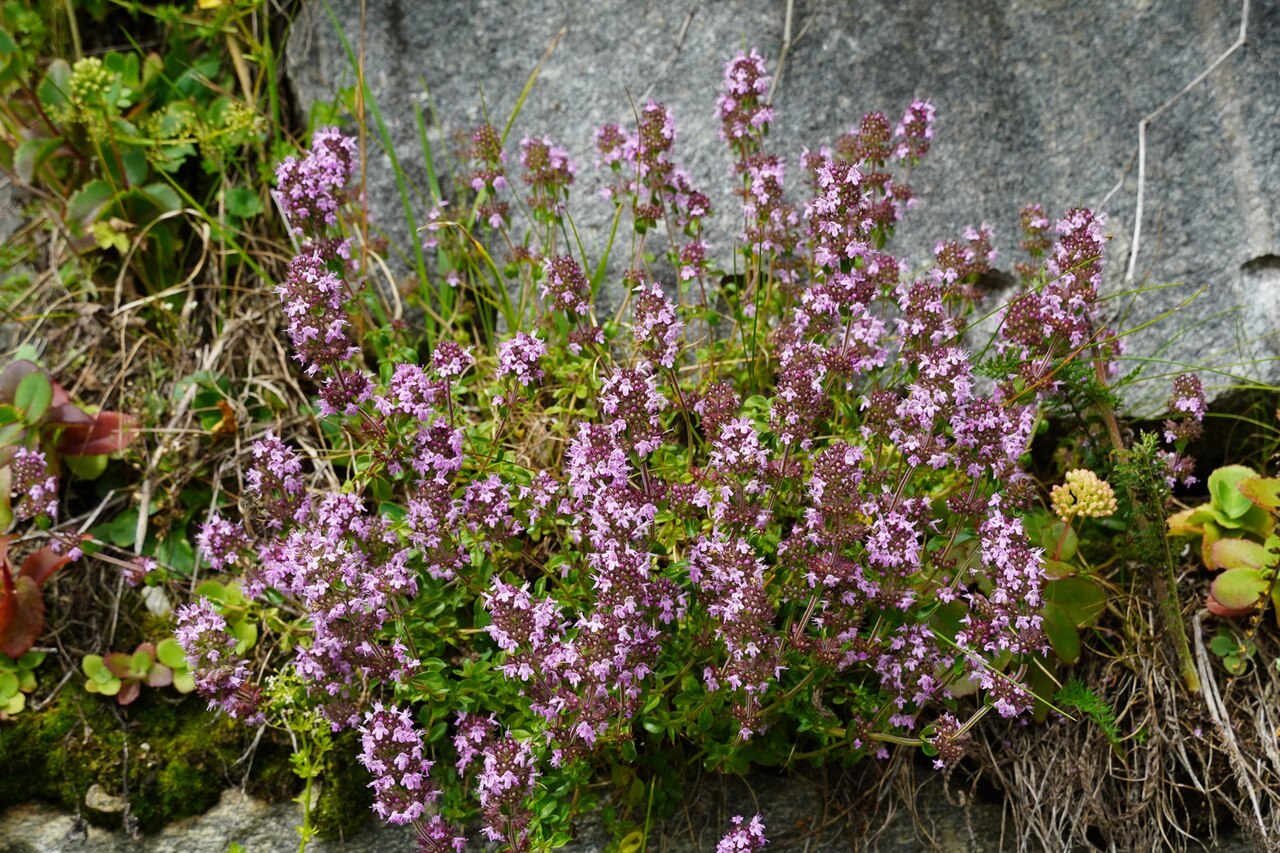
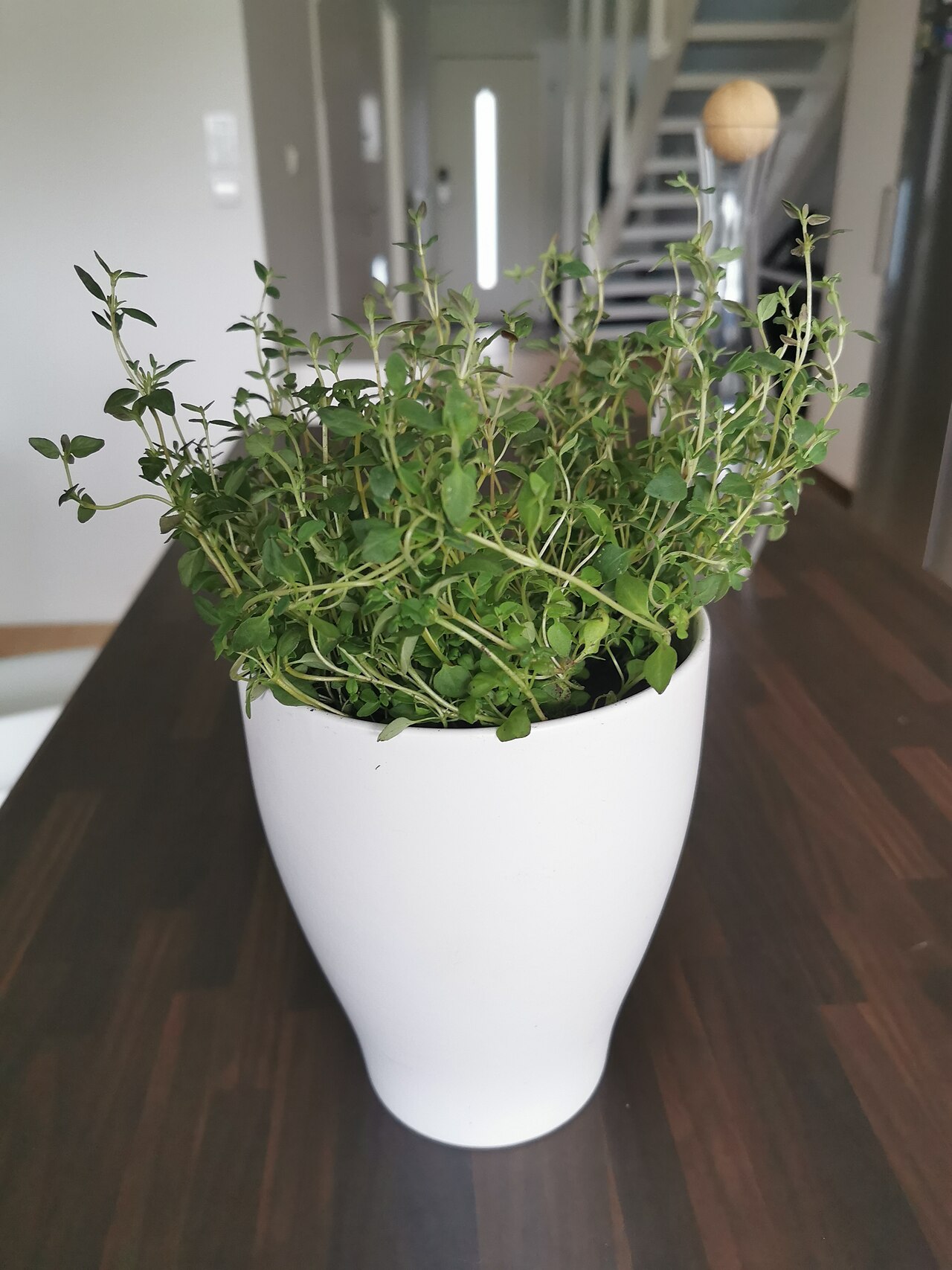
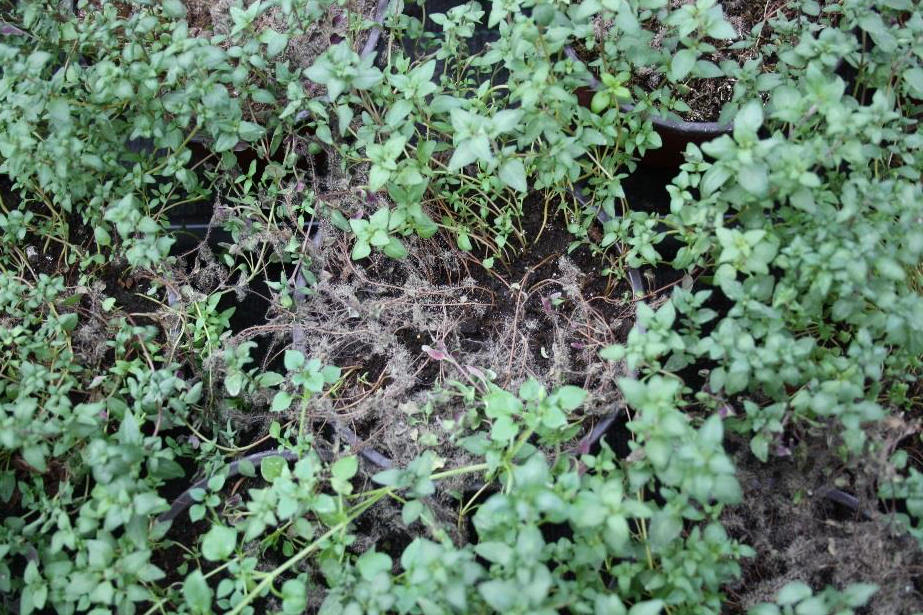
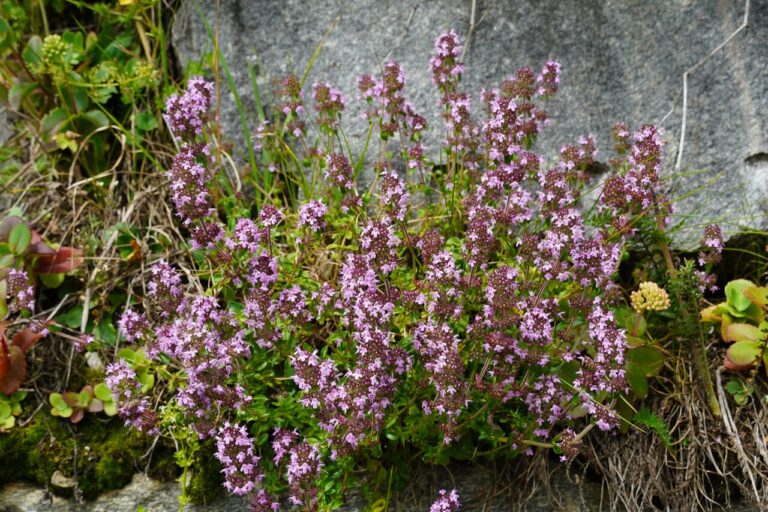
Thyme (Thymus) is far more than just a kitchen herb — as a ground cover, it’s one of the most versatile and attractive of its kind. With dense, carpet-like cushions, aromatic foliage, and countless tiny flowers in pink, purple, and white, it covers sunny areas and turns bare corners into blooming, fragrant oases.
Suitable Thyme Species
Low-growing, mat-forming species are especially well suited for ground cover. Wild thyme (Thymus serpyllum), also called creeping thyme, grows only 5 to 10 centimeters tall, forms dense mats, and is extremely resistant to foot traffic — ideal for a fragrant lawn substitute. Creeping thyme (Thymus praecox) stays similarly low and impresses with an abundance of flowers in June and July. Lemon thyme (Thymus × citriodorus) grows a bit taller, at 15 to 20 centimeters, and gives off a refreshing citrus scent. All species are evergreen and keep their leaves through winter.
Location and Soil Preparation
Thyme loves sunny, warm spots with well-drained, rather lean soil. Heavy clay soils must be generously loosened with sand and gravel before planting. Waterlogging is thyme’s mortal enemy and inevitably leads to root rot. The optimal planting distance is 20 to 25 centimeters — for larger areas, plant about 15 to 20 plants per square meter. A thin mulch layer of grit or gravel keeps the root zone warm and suppresses weeds.
Care and Uses
Care could not be simpler: thyme needs neither fertilizer nor regular pruning. After flowering, the cushions can be trimmed back lightly to encourage compact growth. Dividing the plants every three to four years is recommended to rejuvenate aging clumps. In the garden, thyme is used as ground cover in rock gardens, as a filler plant between paving stones in dry-stone walls, as a lawn substitute in lightly trafficked areas, and as a fragrant bed edging. Its flowers are a valuable food source for bees and are visited by numerous wild bees and butterflies. Simply brushing a hand over the plant releases its aromatic essential oil — a sensory garden experience.