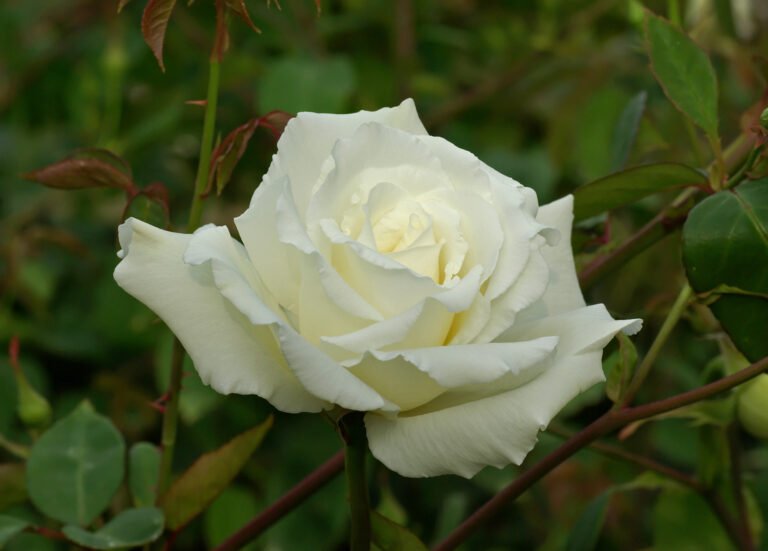
Cotoneaster: A Versatile Ground Cover with Autumn Color
An Unfussy Shrub for Year-Round Interest
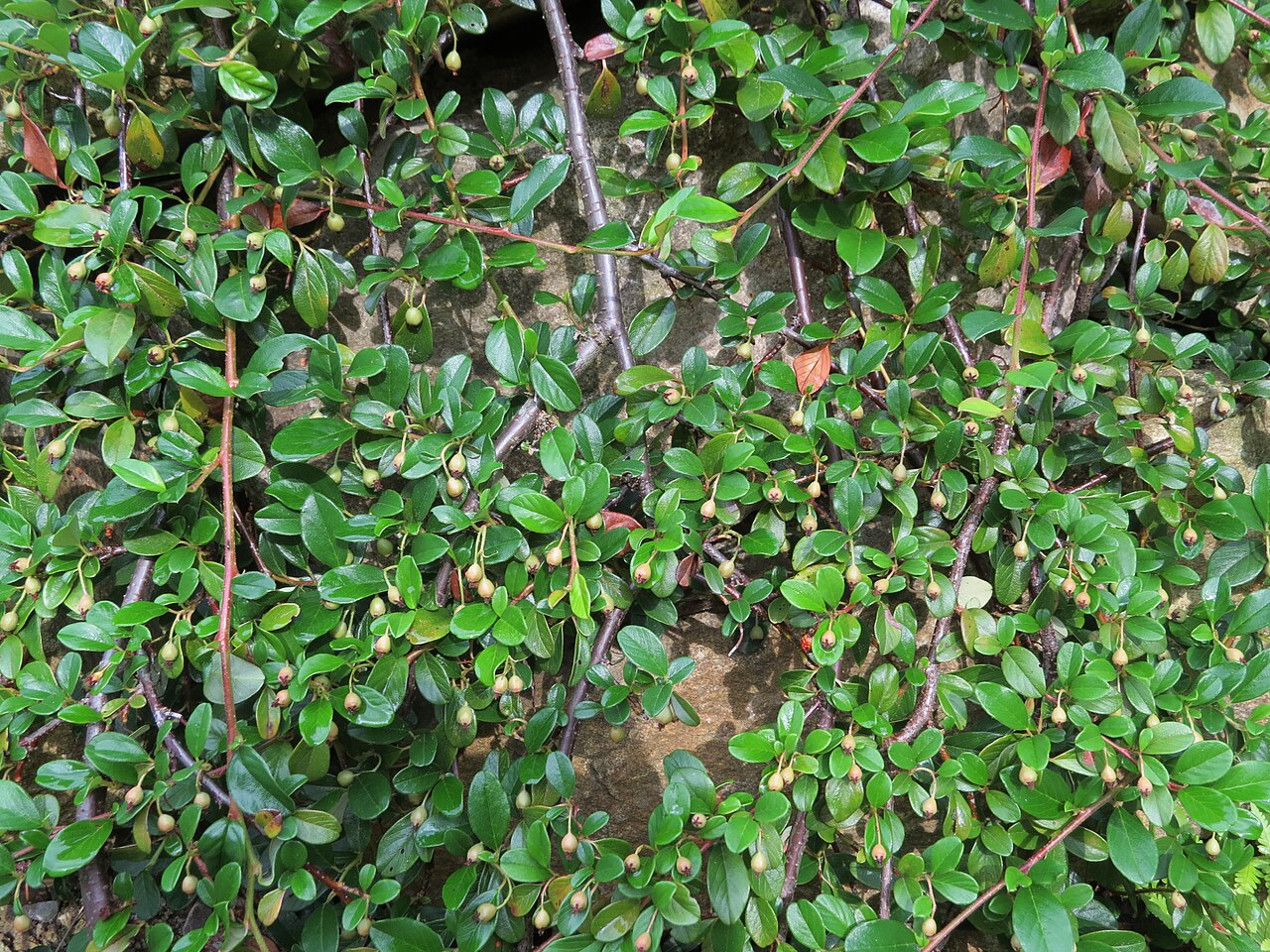
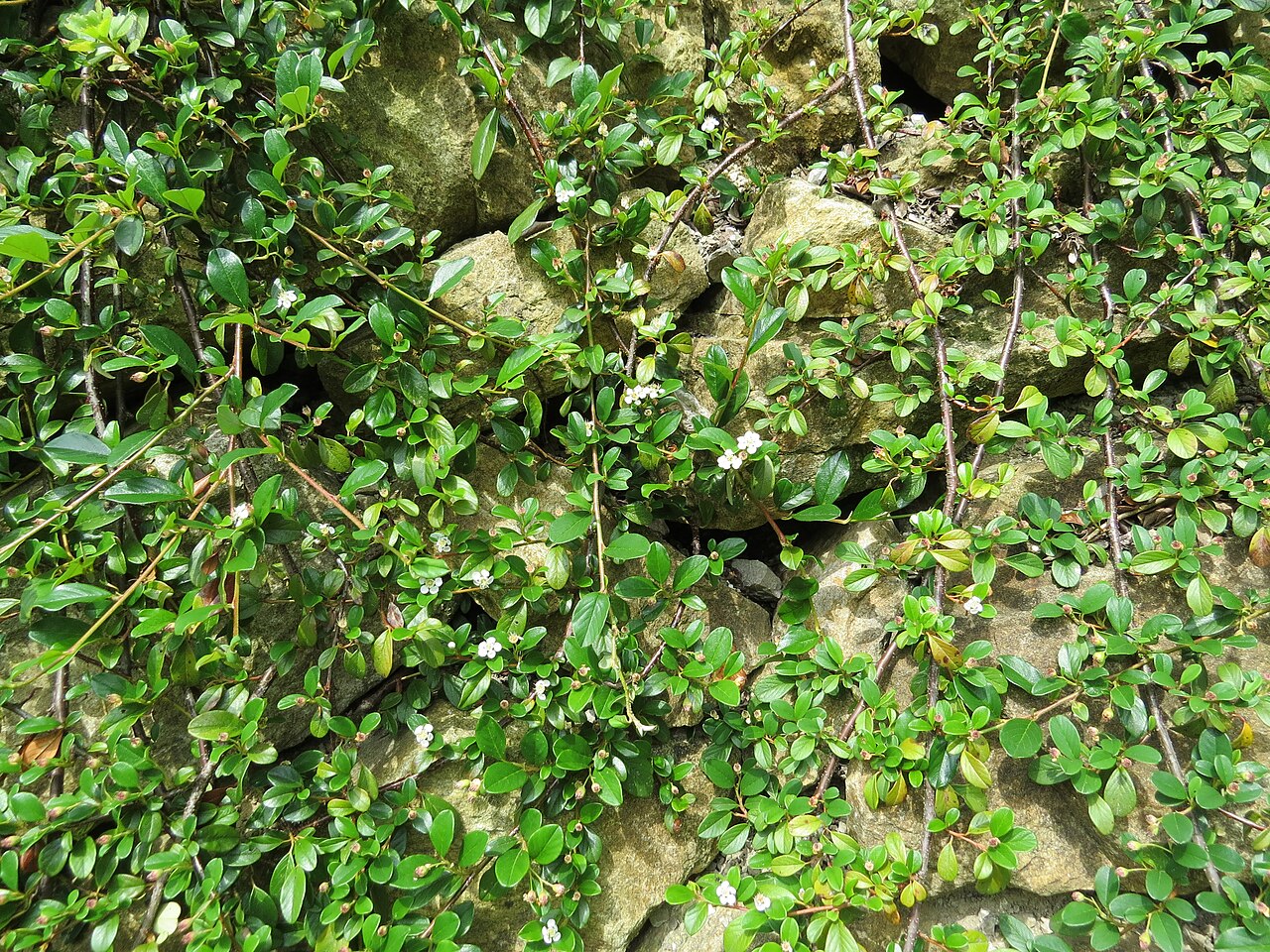
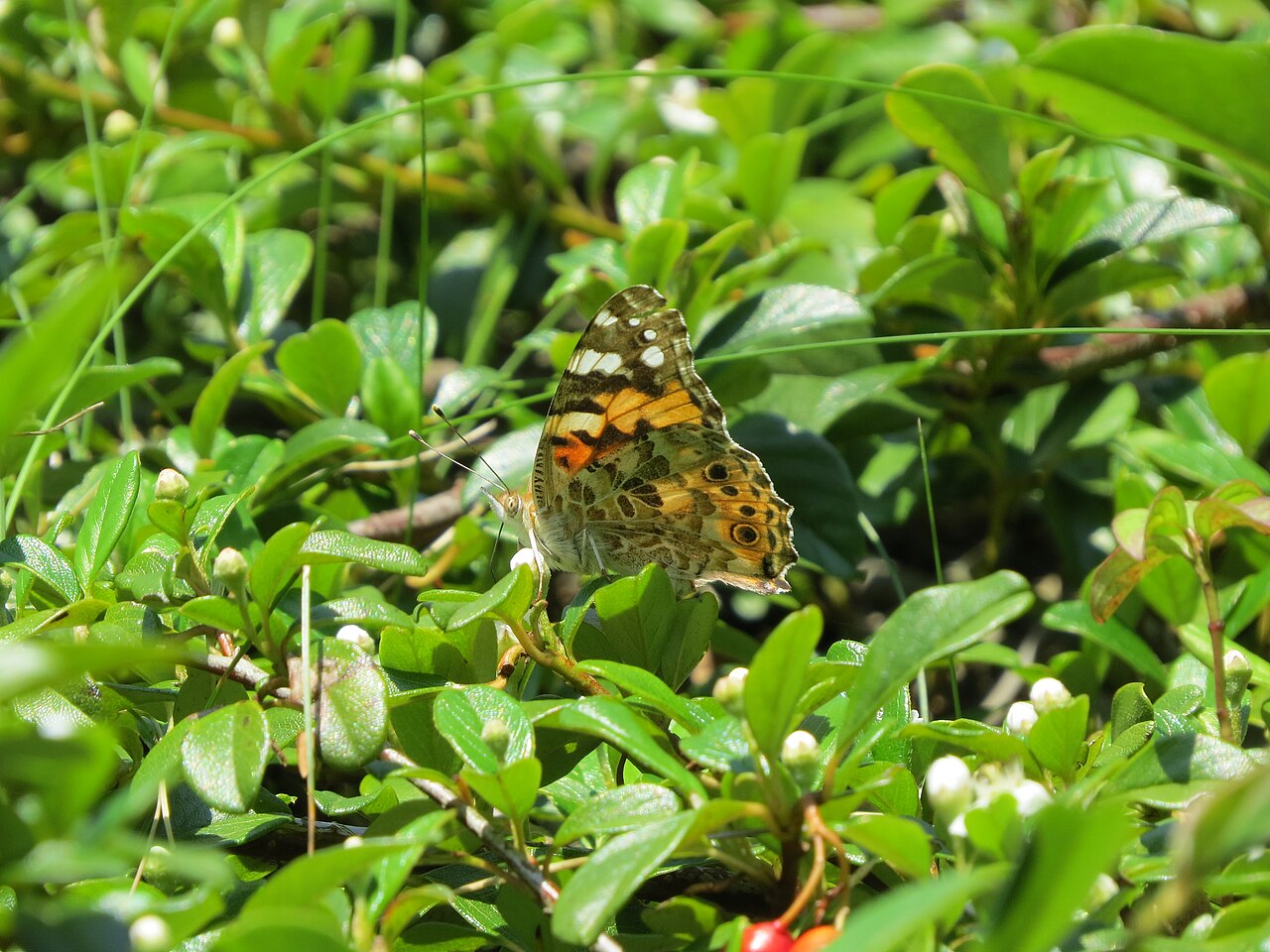
Cotoneaster is a large and varied genus of shrubs ranging from prostrate, ground-hugging forms like Cotoneaster horizontalis to upright hedging types and small trees, making it one of the most adaptable plants in the garden. Most species share a common seasonal rhythm: small white or pink five-petaled flowers appear in late spring, attracting bees and other pollinators, followed by generous clusters of red, orange, or occasionally black berries that persist into winter and are an important food source for birds. Many varieties also put on a strong show of red and orange autumn foliage before deciduous types drop their leaves, while some, like Cotoneaster franchetii, are evergreen or semi-evergreen.
Site and Soil
Cotoneaster is remarkably undemanding about soil, growing happily in anything from poor, sandy ground to heavy clay, and tolerating a wide pH range including chalky, alkaline soils that many other flowering shrubs dislike. Good drainage matters more than fertility; the plant is naturally drought-tolerant once established and generally suffers more from waterlogging than from dry conditions. Full sun produces the heaviest flowering and berry crop and the best autumn colour, though most types tolerate partial shade reasonably well.
Newly planted cotoneaster should be watered regularly through its first growing season to establish a strong root system; after that, supplemental watering is rarely needed except in prolonged drought. Fertilizing is largely unnecessary in reasonable garden soil, though a light spring feed can benefit plants in very poor ground.
Uses and Pruning
Low, spreading species such as C. horizontalis and C. dammeri are excellent ground cover for banks, slopes, and areas where little else will grow, spreading to suppress weeds while providing seasonal flowers and berries. Upright species like C. lacteus and C. franchetii make dense, informal hedges or windbreaks that tolerate hard clipping.
Pruning needs are minimal. For ground-cover types, simply trim back any stems that outgrow their space, ideally after flowering so the berry display is not lost. For hedging types, trim in late winter or after flowering depending on how much berry display is wanted; light, informal shaping tends to preserve more berries than a tight formal clip. Remove dead, damaged, or crossing branches at any time of year.
Common Problems
- Fireblight: a bacterial disease causing blackened, scorched-looking shoots that can spread through the plant; prune out affected wood well below the visible damage and disinfect tools between cuts.
- Cotoneaster webworm and other caterpillars: can defoliate branches by webbing leaves together; remove webbed sections by hand where practical.
- Woolly aphid: appears as white, cottony masses on stems; usually cosmetic and controllable by washing off with a strong jet of water.
Propagation
Cotoneaster propagates readily from semi-ripe cuttings taken in mid to late summer, rooted in free-draining compost with bottom heat. Many species also self-seed in the garden after birds distribute the berries, and low, spreading types will often root naturally wherever a stem touches the soil, providing an easy source of new plants for transplanting.
This article may contain affiliate links. If you purchase a product through one of these links, Plantgecko may earn a commission at no extra cost to you. This never influences our editorial independence or which products we recommend.