Ivy for Green Facades: An Evergreen Privacy Screen with Ecological Value
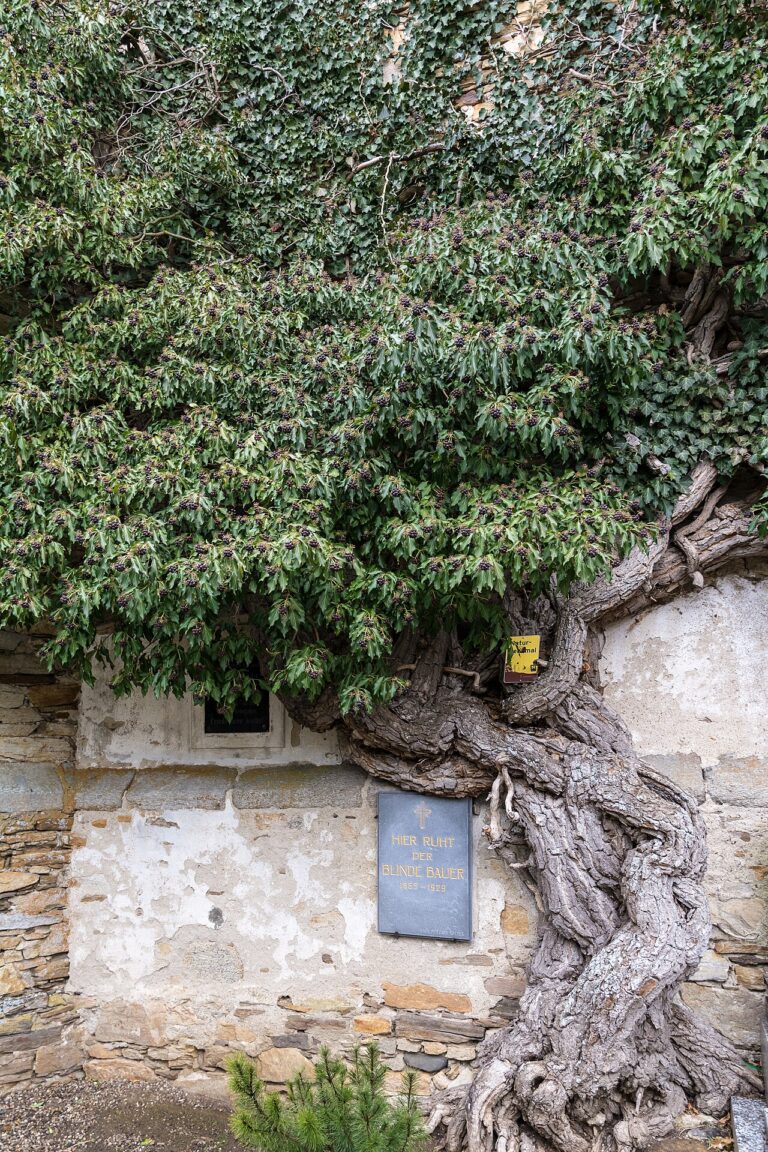
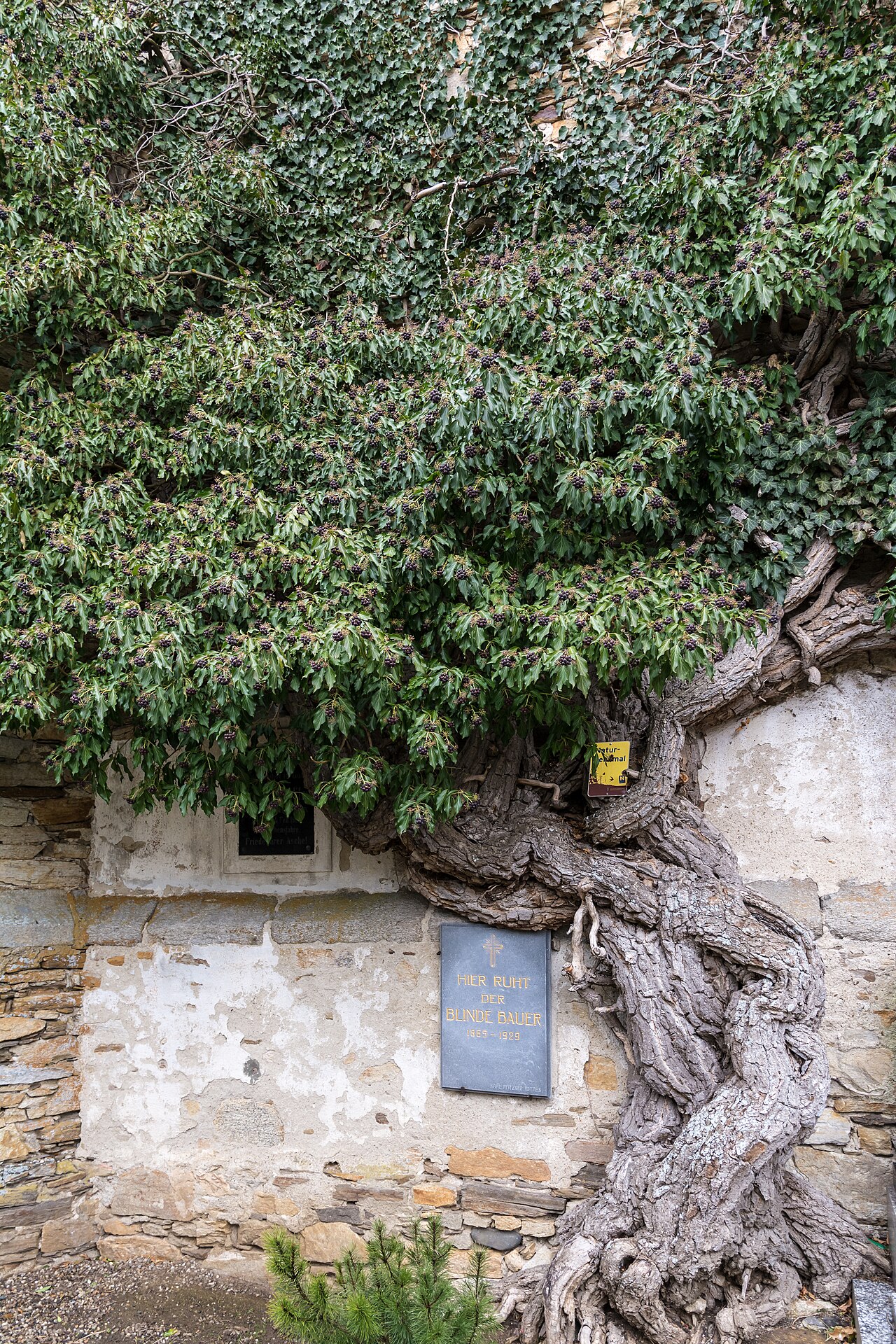
English ivy (Hedera helix) has clothed buildings and garden walls for centuries, prized for its dense, evergreen coverage and low maintenance once established. As a self-clinging climber, it can transform a bare brick or stone facade into a living, textured green wall with real ecological benefits – but it also needs to be understood and managed thoughtfully.
How Ivy Climbs
Ivy attaches itself using small aerial rootlets that grip onto rough surfaces such as brick, stone, and bark. It does not need a trellis or wires the way twining vines do, which makes it especially popular for covering large wall areas. However, this same clinging habit means it can work into mortar joints, render cracks, or wooden siding over time, so it is best suited to sound masonry rather than painted wood or already-damaged walls.
Light and Site Requirements
Ivy is remarkably shade-tolerant, thriving on north-facing walls and in positions many other climbers would struggle with, though it also grows well in partial sun. It adapts to most soil types as long as drainage is reasonable, and once its roots are established, it tolerates short dry spells without much fuss.
Planting and Establishment
Plant young ivy at the base of the wall, spacing plants roughly 45 to 60 cm (18 to 24 inches) apart for faster full coverage. Water regularly during the first one to two growing seasons while roots establish; after that, established ivy needs supplemental watering only during prolonged drought.
Pruning and Control
Because ivy grows vigorously, an annual trim in late winter or early spring keeps it within bounds, away from windows, gutters, roof tiles, and door frames. Regular pruning also encourages denser, more attractive foliage lower down the wall rather than leggy growth concentrated at the top.
Ecological Value
Ivy offers real benefits for wildlife: its late-season flowers, blooming in autumn when few other plants are in bloom, are an important late nectar source for bees and other pollinators, and its dense evergreen structure provides shelter and nesting sites for birds through winter. The dark berries that follow are eaten by birds in late winter when other food is scarce.
A Note of Caution
On healthy, well-pointed masonry, ivy generally causes little structural harm and may even offer some insulating and moisture-buffering benefit. On older or already-compromised walls, however, its rootlets can exploit and widen existing cracks, so inspect masonry condition before planting and avoid letting ivy establish on wooden structures, painted surfaces, or roofing.
Propagation
Ivy propagates readily from stem cuttings taken in spring or summer; root a cutting with a few leaf nodes in water or moist potting mix, and it will typically develop roots within a few weeks, ready to plant out the following season.
Seasonal Growth and Maintenance
Ivy’s growth rate varies noticeably through the year: spring and early summer bring the most vigorous new growth, making this the ideal window for the first of one or two annual trims to keep growth away from windows, vents, and roof edges. A second light trim in late summer keeps the facade tidy heading into the less active autumn and winter months. Because ivy is evergreen, it provides valuable winter structure and habitat when most other wall plantings have died back, so avoid heavy pruning in late autumn or winter that would remove this seasonal shelter for overwintering insects and birds. Instead, save more significant structural pruning, such as thinning old, woody growth or cutting the plant back hard if it has become overgrown, for late winter or very early spring, just before the new growing season begins, when the plant will recover and fill back in most quickly.
Tools for Maintaining a Wall of Ivy
Because ivy needs at least one, and ideally two, thorough trims a year to keep it away from windows, gutters, and roof edges, a good pair of bypass pruning shears makes the job far easier than trying to use general household scissors. Look for a pair with a comfortable grip and replaceable blades, since regularly cutting through ivy’s fibrous stems will dull an edge faster than lighter garden tasks.
Frequently Asked Questions
Does ivy damage house walls?
On sound, well-maintained masonry, ivy generally causes minimal damage and its foliage can even help buffer temperature and moisture. On walls with existing cracks, poor mortar, or wooden siding, its rootlets can worsen damage, so wall condition should be assessed before planting.
How fast does ivy grow on a facade?
Growth rate depends on climate, light, and soil, but established English ivy can extend 30 cm (12 inches) or more per year once settled, with full wall coverage often achieved within three to five years of planting.
Is English ivy invasive?
In parts of North America and elsewhere outside its native range, English ivy has escaped cultivation and become invasive in wooded areas, smothering understory plants. Where this is a known issue locally, planting in contained beds away from natural areas is recommended.
Can ivy be removed easily if I change my mind?
Removing established ivy from a wall takes real effort: cut the vines at the base to kill the plant, wait for the remaining growth to dry and loosen, then carefully pull away the dead stems and rootlets, which may leave residue requiring wall cleaning.