Lettuce in Raised Beds: Varieties and Growing Tips for the Whole Season
Why Raised Beds Work Well for Lettuce
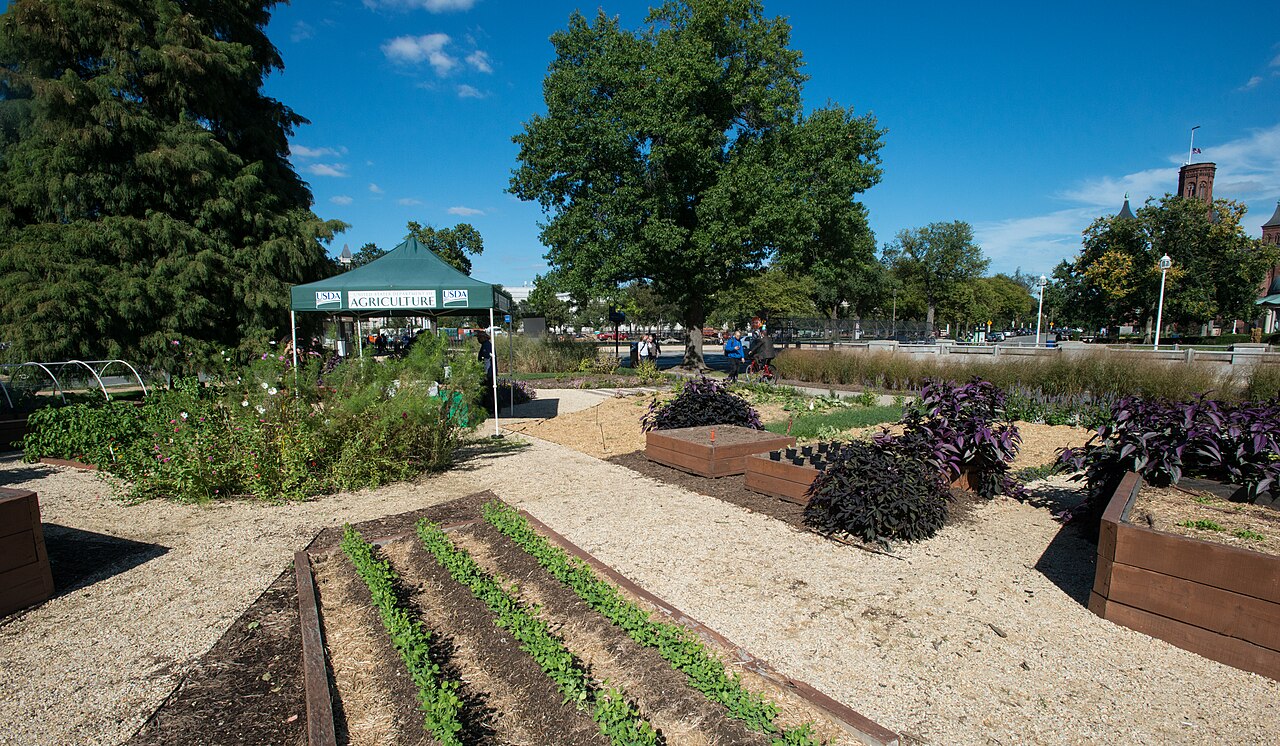
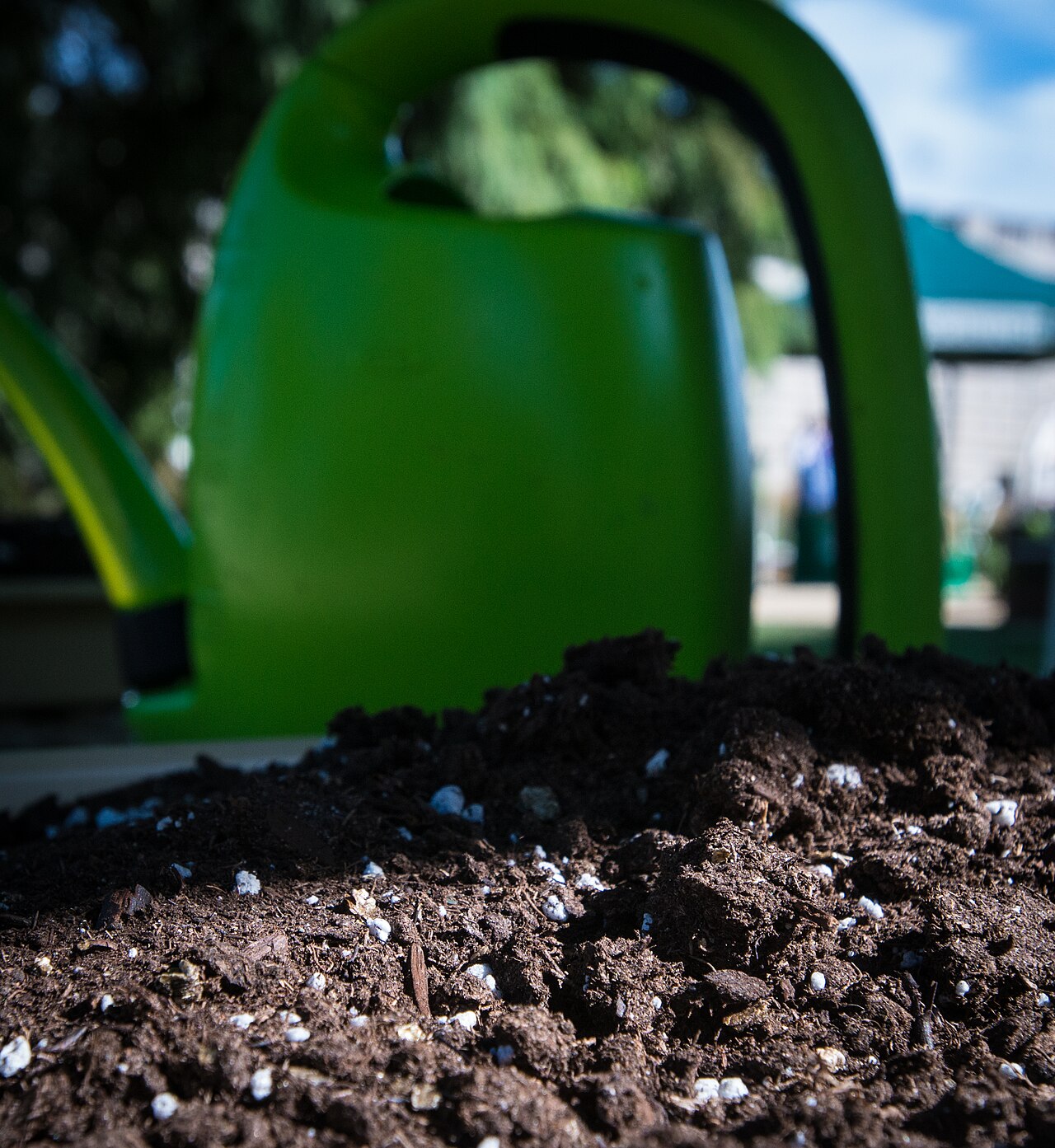
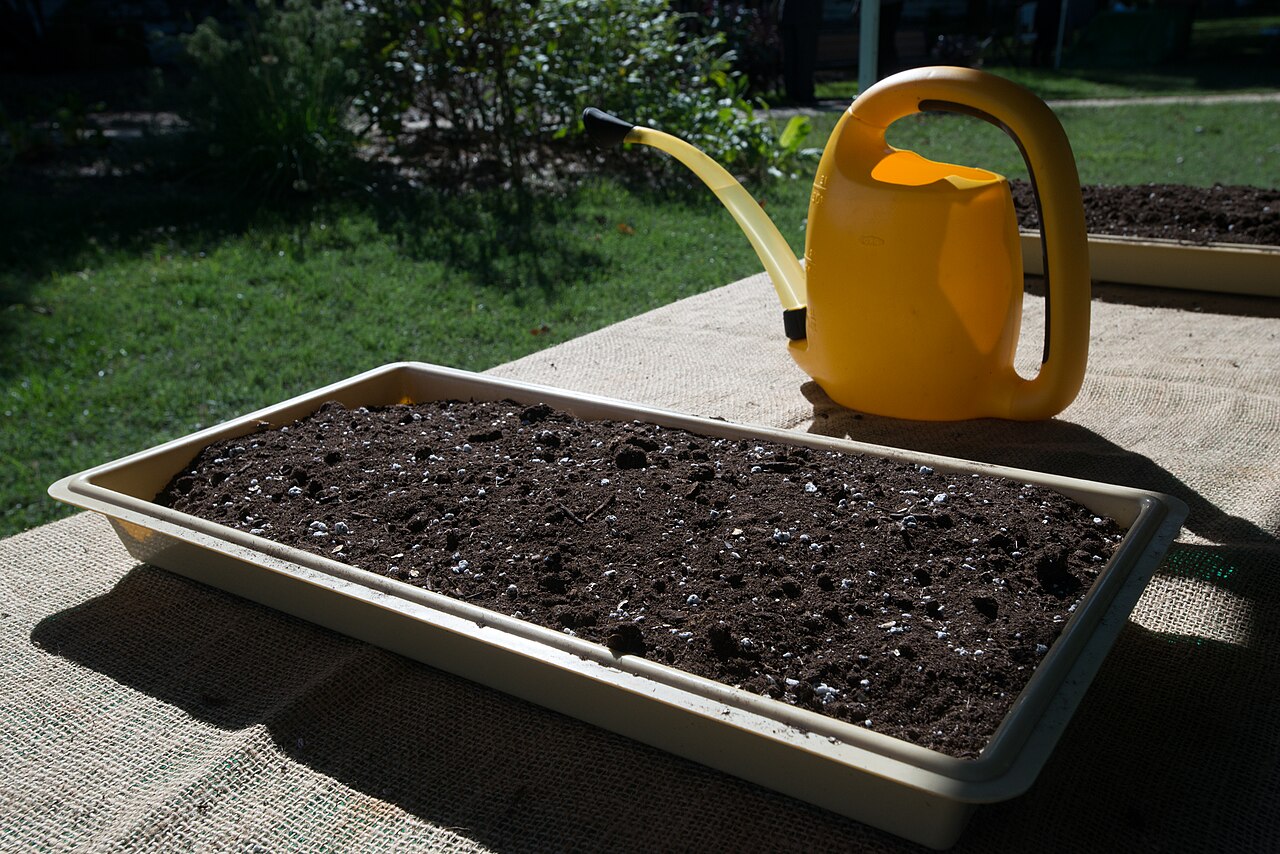
Raised beds warm up faster than ground-level soil in spring, letting you sow lettuce earlier in the season, and their improved drainage suits lettuce’s shallow, easily waterlogged root system. Raised beds also make it simple to build loose, rich, moisture-retentive soil from scratch, which matters because lettuce roots rarely grow more than a few inches deep and depend on that top layer for both water and nutrients.
Choosing Varieties for Succession
Loose-leaf types, such as oakleaf and lollo rosso, mature the fastest and can be harvested as cut-and-come-again crops, regrowing after cutting. Butterhead varieties form soft, loosely folded rosettes with a mild flavor. Romaine (cos) types grow more upright and tend to tolerate heat somewhat better than other head-forming lettuces. Rather than sowing an entire bed at once, sow a small batch every two to three weeks — a technique called succession sowing — so you get a steady, manageable harvest instead of a single glut followed by nothing.
Planting, Spacing, and Watering
Lettuce can be direct-sown or transplanted as small seedlings. Space loose-leaf varieties about 6-8 inches apart and head-forming types 10-12 inches apart. Because raised beds drain and dry faster than garden soil, and lettuce’s shallow roots can’t reach reserves deeper down, consistent and fairly frequent watering is essential — don’t let the bed dry out between waterings. A light mulch helps conserve soil moisture and keeps weeds down between rows.
Seasonal Care and Common Problems
Lettuce grows best in cool conditions, roughly 60-70°F, and tends to bolt — sending up a flower stalk and turning bitter — once summer heat sets in. Plan main crops for spring and fall, use shade cloth to extend a summer planting, or choose heat-tolerant, slow-to-bolt varieties for midsummer beds. Harvest outer leaves continually from cut-and-come-again types, or cut whole heads once they’ve filled out. Keep an eye out for slugs and snails, aphids clustering on new growth, and tipburn, a browning of leaf edges usually linked to calcium deficiency brought on by inconsistent watering.
A layer of straw or shredded leaf mulch between rows helps keep the soil surface cool and moist through the warmer months, which both slows bolting and makes life harder for slugs looking for a foothold. At the end of the season, working spent lettuce plants and any leftover mulch back into the raised bed as compost helps rebuild the light, humus-rich soil structure that next season’s crop will depend on.
This article may contain affiliate links. If you purchase a product through one of these links, Plantgecko may earn a commission at no extra cost to you. This never influences our editorial independence or which products we recommend.