Growing Peppers and Chili Yourself: From Sowing to Harvest
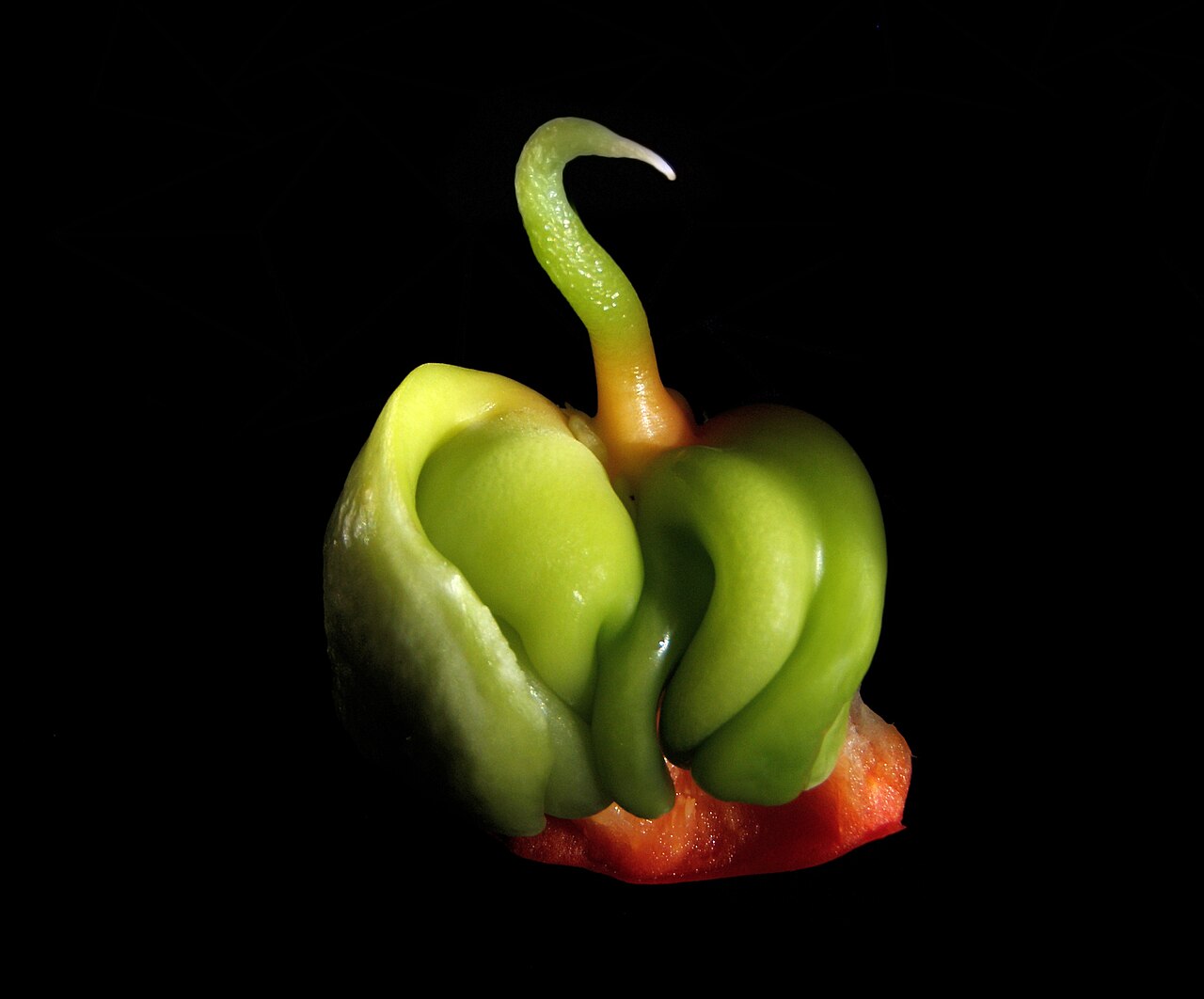
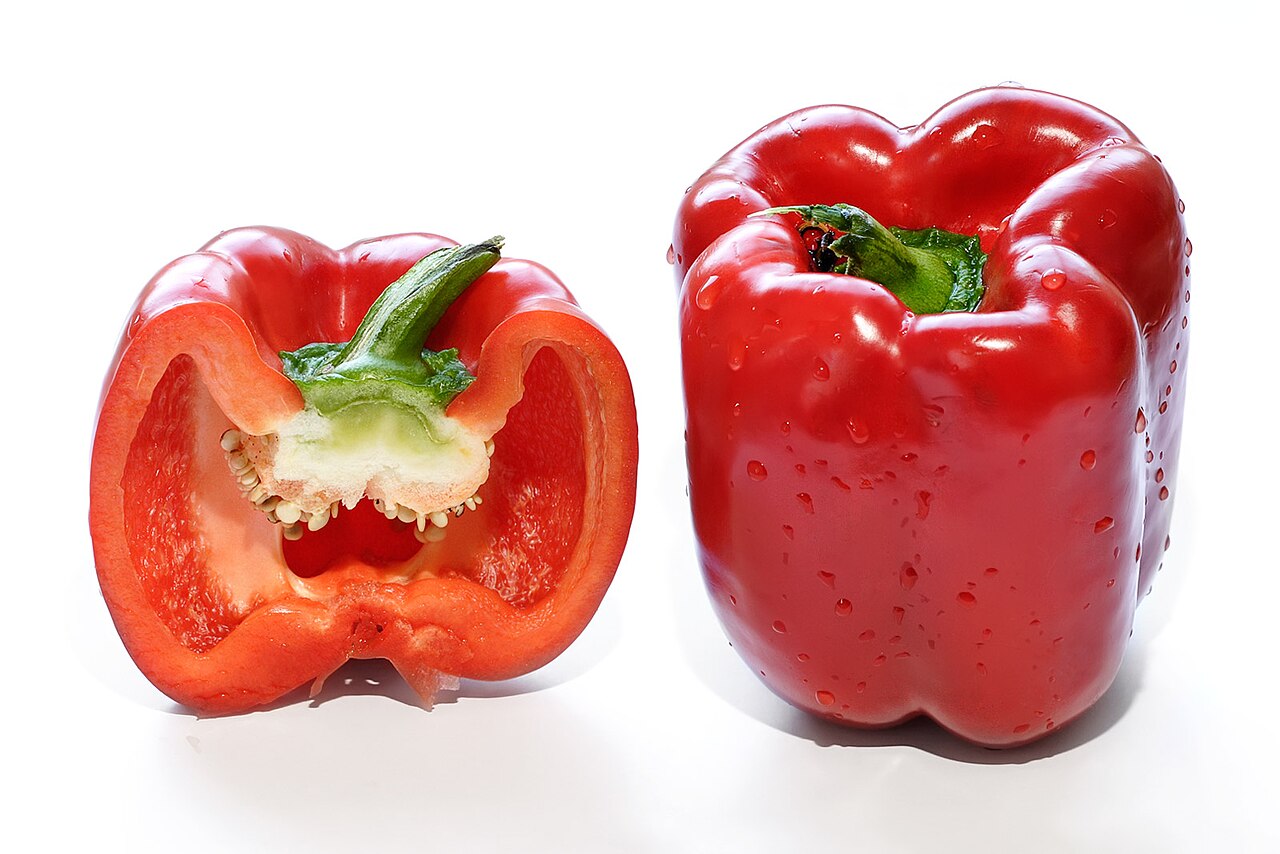
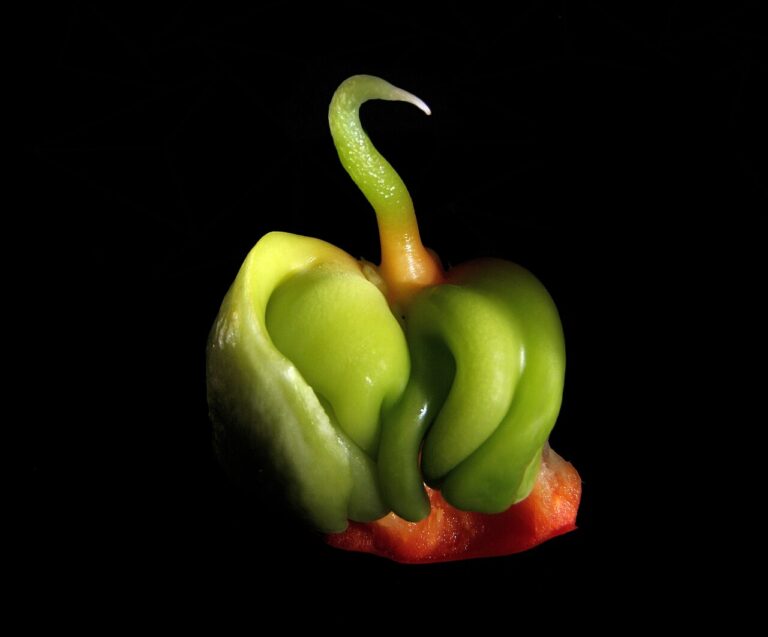
Canon 20D + Sigma 150mm f/2.8 (GFDL 1.2, Wikimedia Commons)
Starting from Seed
Peppers and chilies need a long, warm growing season, so most gardeners start seeds indoors eight to ten weeks before the last expected frost. Germination requires real warmth, ideally 75-85°F, which is why a seedling heat mat makes such a difference; without one, especially hot chili varieties can take anywhere from one to three weeks to sprout, noticeably slower than sweet peppers. Once seedlings emerge, move them under bright light or a grow light immediately to prevent them from stretching thin and weak.
Transplanting and Growing Conditions
Harden seedlings off gradually over a week or two before moving them outdoors, and wait until all frost danger has passed and nighttime temperatures reliably stay above 55°F. Peppers want full sun and fertile, well-draining soil with a pH of 6.0-6.8. Space plants 18-24 inches apart to allow good air circulation. Keep soil consistently moist and mulch around plants to retain moisture and moderate soil temperature swings. Taller or heavily fruiting varieties benefit from staking to prevent branches from snapping under the weight of the crop.
Feeding and Fruit Set
Work a balanced fertilizer into the soil at planting time, then switch to a feed lower in nitrogen and higher in phosphorus and potassium once flowering begins. Too much nitrogen at this stage produces lush leafy plants with disappointingly few fruits. Consistent, even watering matters just as much as feeding — irregular watering disrupts calcium uptake and is the main cause of blossom end rot, the dark, sunken spot that can develop on the bottom of developing fruit.
Harvesting and Common Problems
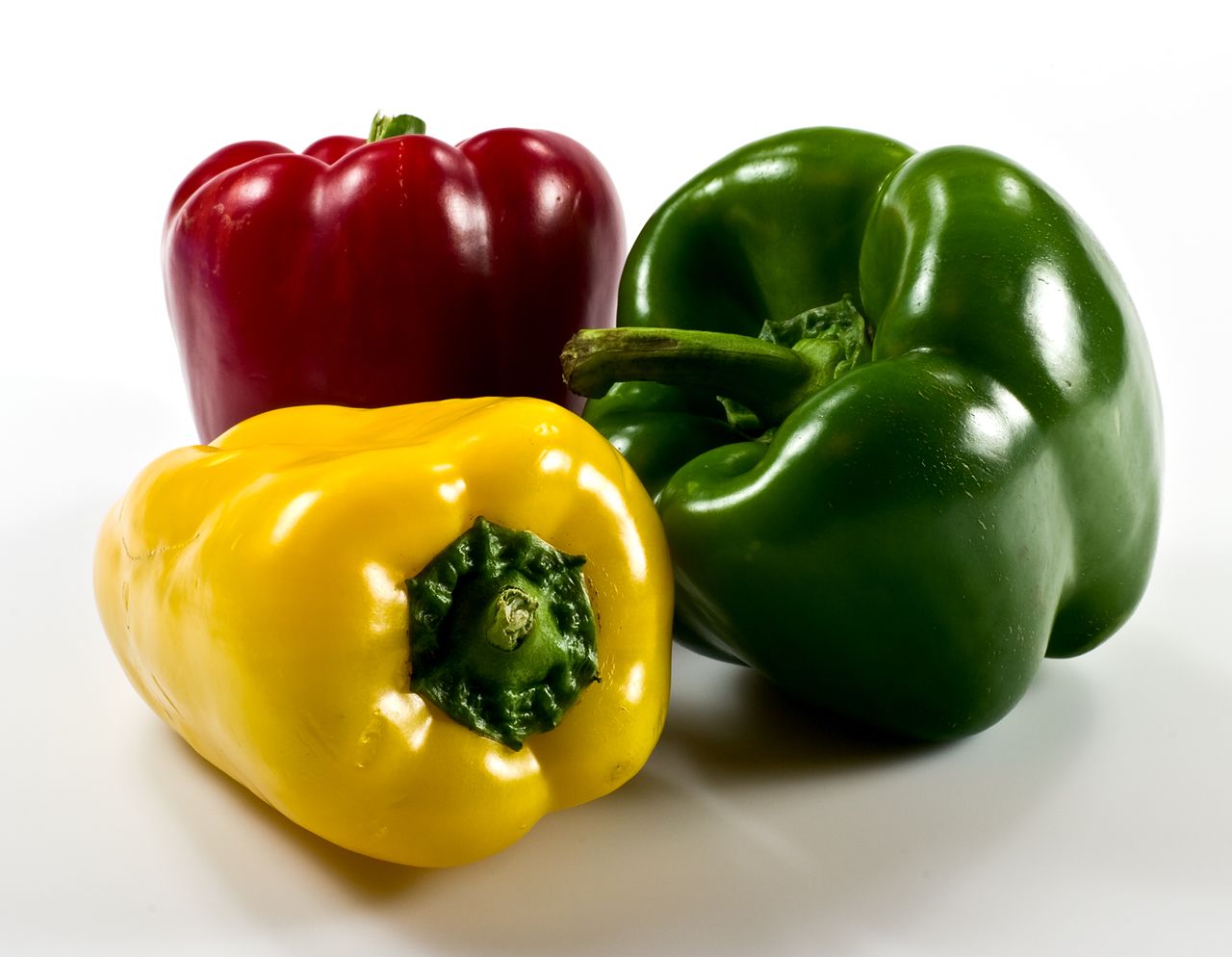
Sweet peppers can be picked green or left on the plant to ripen to red, yellow, or orange, which brings out more sweetness. Chilies generally develop their fullest heat and flavor once fully colored and ripe. Harvest with scissors or pruners rather than pulling, since the brittle branches snap easily. Beyond blossom end rot, watch for aphids on new growth and sunscald on fruit exposed to intense direct sun after pruning removes too much shading foliage. If growing open-pollinated (non-hybrid) varieties, seed can be saved from fully ripe fruit to grow again the following season.
Container growing works well for peppers and chilies, particularly compact ornamental or hot pepper varieties, provided the pot is at least 12-16 inches across and has good drainage. Container plants dry out faster than those in the ground, so check soil moisture daily during hot weather. Bringing a favorite pepper plant indoors to a bright window before the first frost can also let it overwinter as a short-lived perennial, giving it a head start the following spring instead of starting fresh from seed each year.
This article may contain affiliate links. If you purchase a product through one of these links, Plantgecko may earn a commission at no extra cost to you. This never influences our editorial independence or which products we recommend.