Growing Cucumbers: From Seed to a Crisp Harvest in Your Own Garden
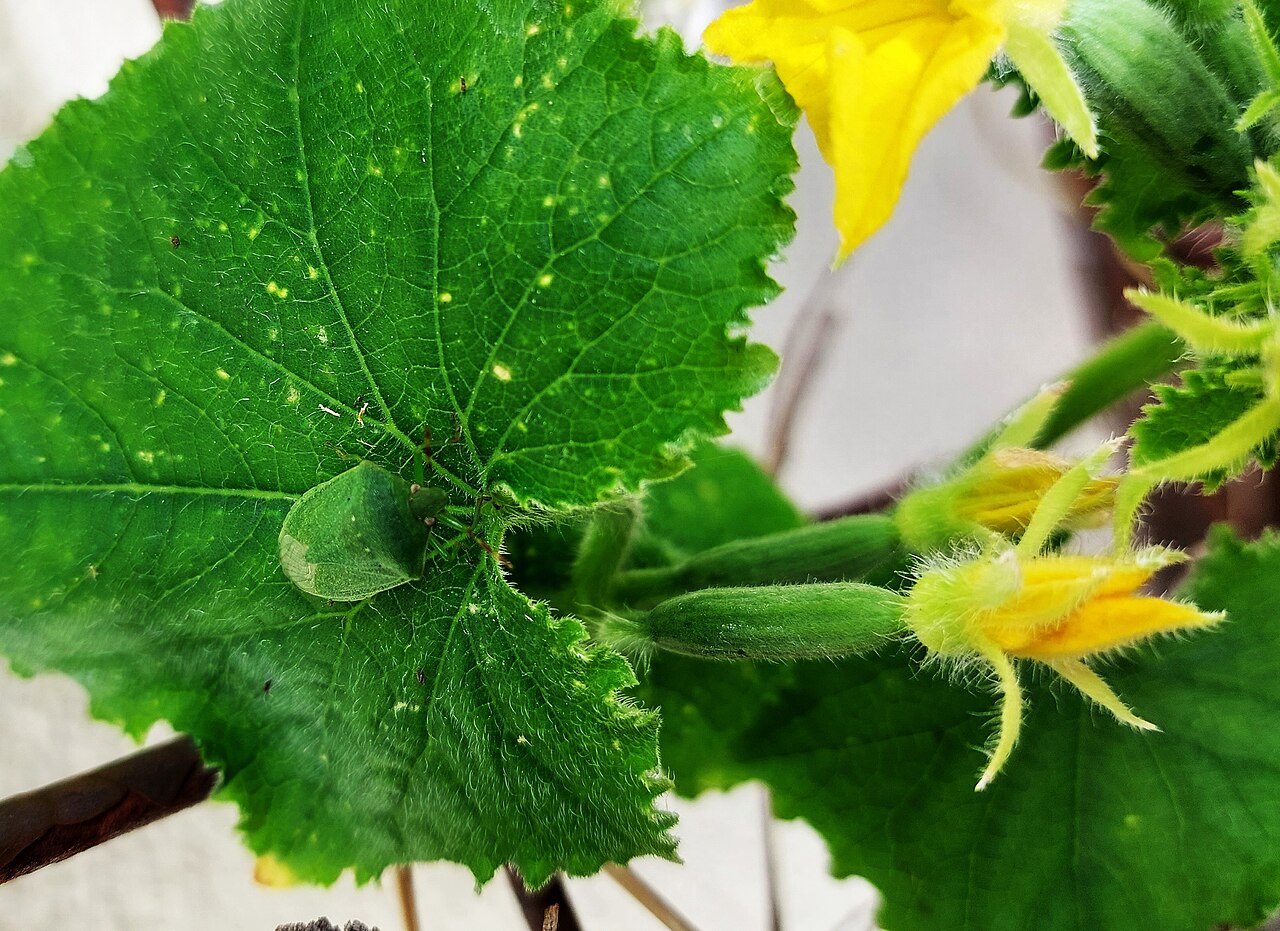
Growing Cucumbers: From Seed to a Crisp Harvest in Your Own Garden
Cucumbers (Cucumis sativus) are a refreshing summer classic that belongs in every vegetable garden. Whether you prefer crisp slicing cucumbers, sweet snack cucumbers, or traditional pickling cucumbers, the right know-how lets you harvest from midsummer well into autumn. Cucumbers are heavy feeders that love warmth, but with proper care even beginners can grow them successfully. This guide covers everything you need to know about choosing varieties, sowing, providing support, and avoiding common problems like powdery mildew and bitter fruit.
Choosing the Right Cucumber Variety
Variety selection matters more with cucumbers than with most other vegetables. The three main types are:
- Slicing cucumbers: Up to 40 cm long with smooth skin. All-female F1 hybrids such as ‘Dominica’ and ‘Euphya’ are bitter-free and set fruit without pollination, making them ideal for the greenhouse.
- Pickling cucumbers: Small, bumpy, and crunchy — the classic choice for pickles and cornichons. Robust varieties that also do well outdoors.
- Snack cucumbers (mini cucumbers): Just 10-15 cm long, thin-skinned, and low in seeds. Perfect for snacking and for kids.
Sowing and Raising Seedlings
Cucumbers are extremely sensitive to cold. Temperatures below 10°C can permanently damage the plants, so starting seeds indoors is the safest approach:
- Timing: Start seeds on a windowsill from mid-April to early May, no earlier than three to four weeks before you plan to plant out.
- Sowing: Sow individually in 9 cm pots — cucumbers dislike being transplanted between containers. Plant seeds 1-2 cm deep, tip pointing down, one seed per pot.
- Germination: Needs 22-26°C and takes five to ten days. Keep the soil evenly moist.
- After sprouting: Move to a brighter, slightly cooler spot (18-20°C). Keep it below 25°C, or the seedlings will grow leggy.
Planting out: Move plants outdoors in late May or early June, once nighttime temperatures reliably stay above 12°C, after hardening them off for about a week. Space plants 40-50 cm apart within the row and 100-120 cm between rows. Cucumbers love rich, loose, warm soil — a raised bed or a row cover during the first few weeks will noticeably speed up growth.
Support and Location
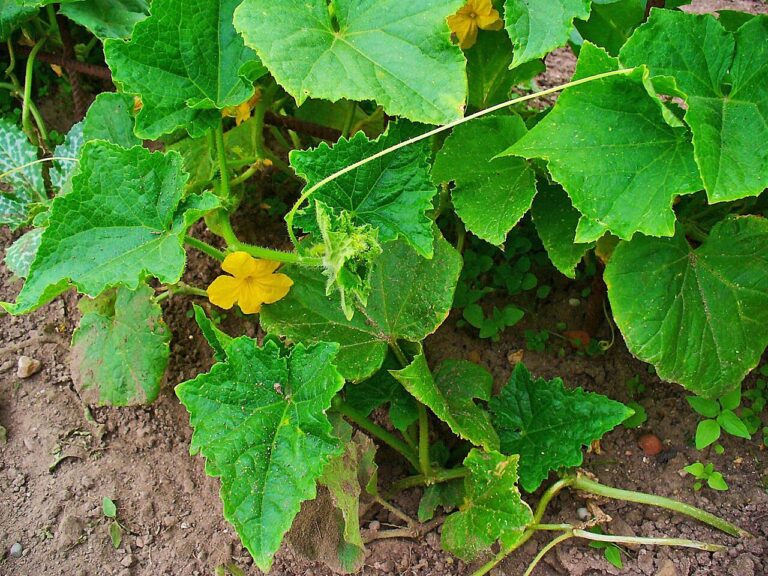
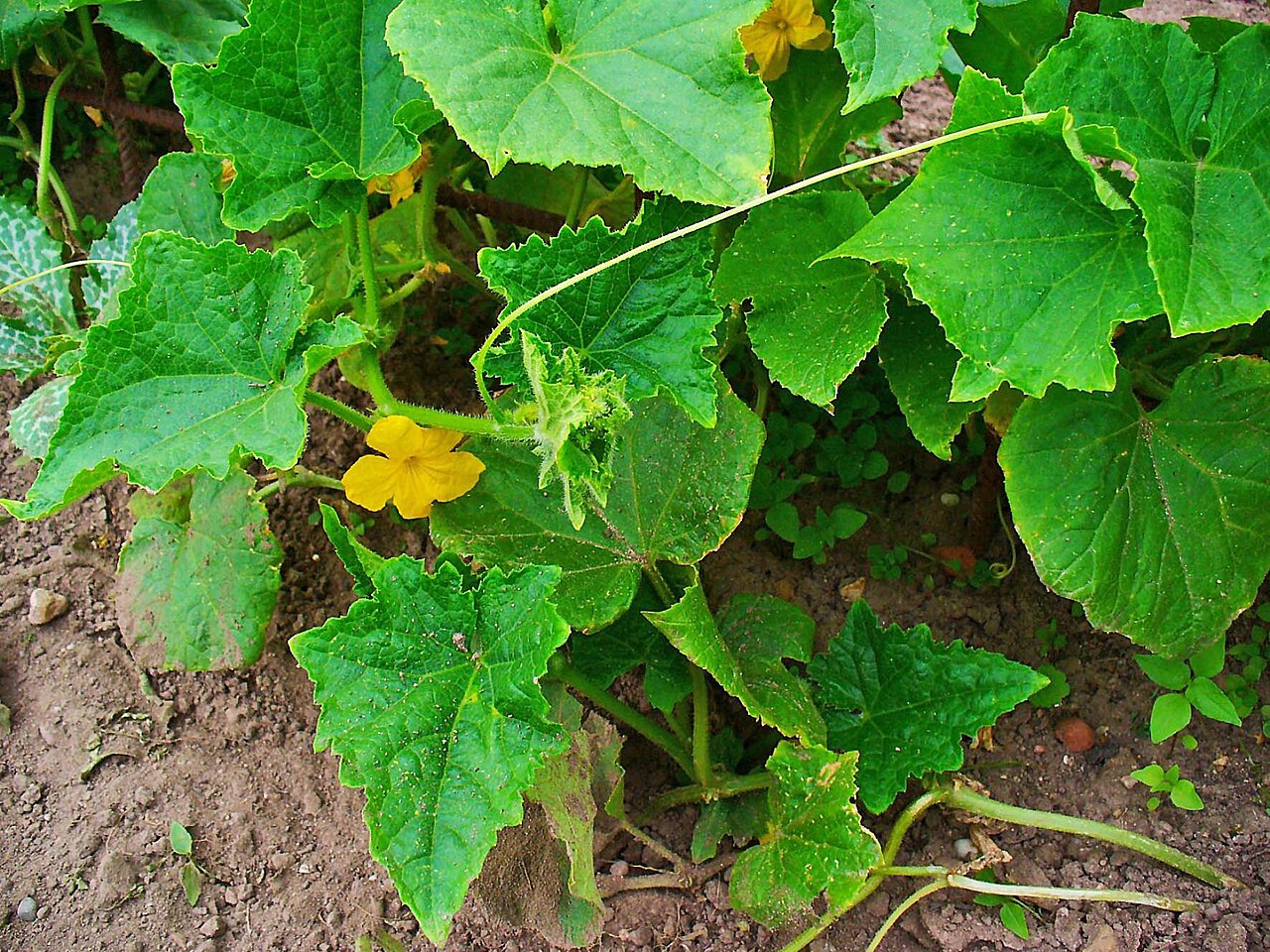
Cucumbers are climbing plants and need support. Left to sprawl on the ground, they’re more prone to disease and slug damage, and the fruit rots wherever it touches the soil. A sturdy trellis, a bamboo frame, or strings in the greenhouse all work well. Gently guide the tendrils around the supports as they grow.
Location: Choose a sunny to partly shaded spot sheltered from wind. Cucumbers love warmth and high humidity, so a sheltered south-facing wall or a greenhouse is ideal. Outdoors, a warm, sunny spot is essential — too little sun means a disappointing harvest.
Care: Watering and Feeding
Watering: Cucumbers are about 97% water and need generous amounts of it. Water daily, twice a day in hot weather. Always use room-temperature water rather than cold tap water, and water at the base of the plant. Wet leaves combined with warm temperatures invite powdery mildew. A mulch layer of grass clippings or straw helps the soil retain moisture.
Feeding: Cucumbers are extremely heavy feeders. Work generous amounts of compost and horn shavings into the soil before planting. During the season, feed every one to two weeks with nettle manure or a liquid vegetable fertilizer. Yellowing leaves are a reliable sign of nitrogen deficiency.
Bitter cucumbers — what causes it? Bitter compounds called cucurbitacins develop under stress: lack of water, cold, sharp temperature swings, or overfeeding. Modern F1 varieties have been specifically bred to avoid bitterness and set fruit even without pollination — a major advantage, especially in the greenhouse.
Harvest and Yield
Harvest cucumbers regularly once they reach the typical size for their variety. The more often you pick, the more new fruit the plant will set. Overripe cucumbers — yellow, thick, and soft — waste the plant’s energy and slow new growth. During peak season (July/August), harvest every two to three days. Cut the fruit off with a sharp knife rather than pulling it. A well-tended cucumber plant yields 15-25 fruits per season.
Solving Common Problems
| Problem | Cause | Solution |
|---|---|---|
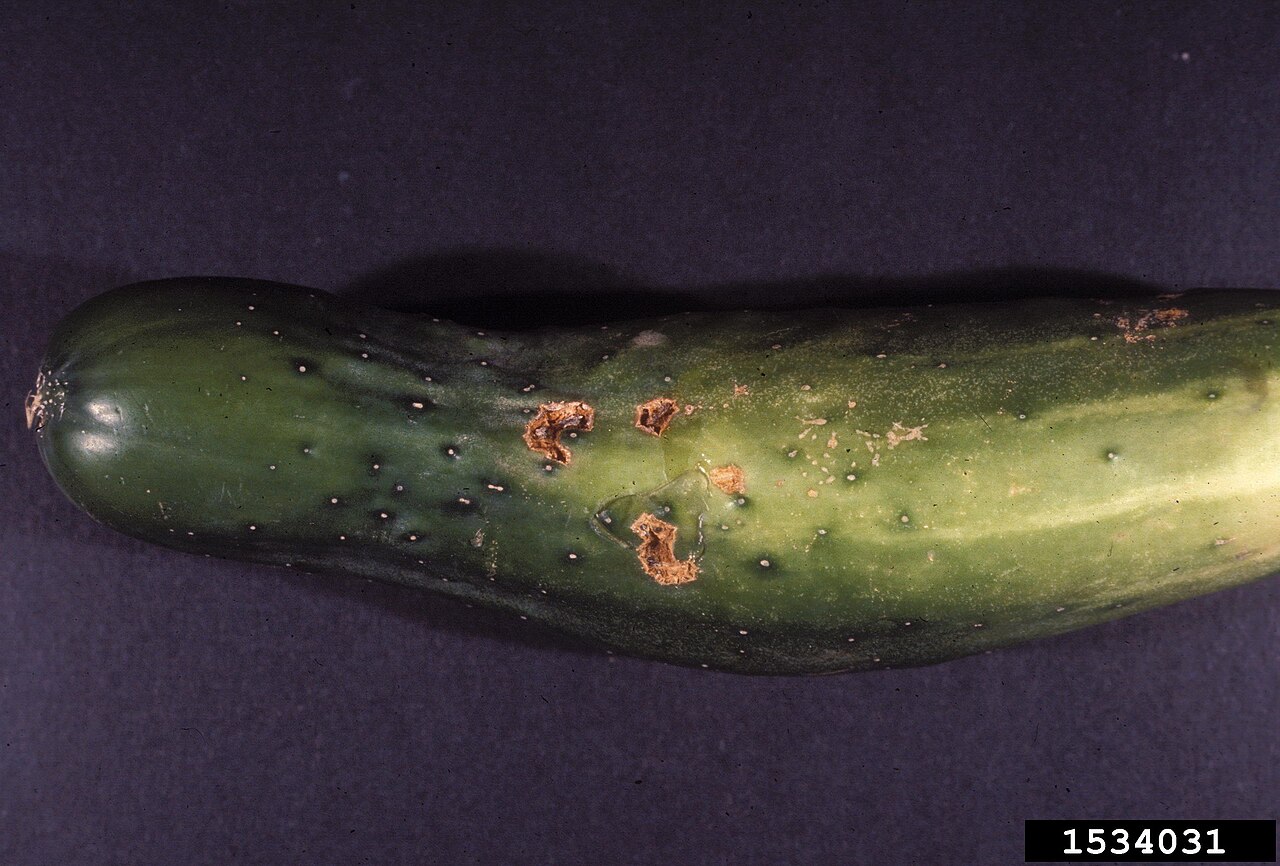
| Powdery mildew (white coating) | Dry conditions plus warmth | Spray with a milk-water solution (1:5); choose resistant varieties |
| Downy mildew (yellow spots) | Wet conditions plus cool temperatures | Keep leaves dry; improve air circulation |
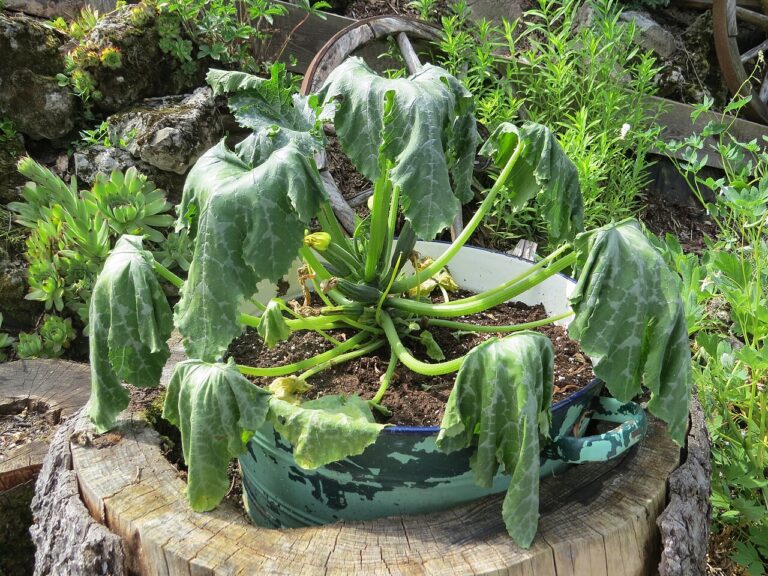
| Wilting despite moist soil | Fusarium stem rot | Remove affected plants; avoid growing cucumbers in the same spot for four years |
| Many flowers, no fruit | Lack of pollination | Choose all-female flowering varieties |
| Spider mites (fine webbing) | Air too dry | Increase humidity; introduce predatory mites |
Follow these tips and your cucumber crop is guaranteed to thrive — giving you crisp, fresh cucumbers straight from your own garden all summer long.