Growing Peppers Yourself – Sweet and Spicy Varieties from Your Own Garden
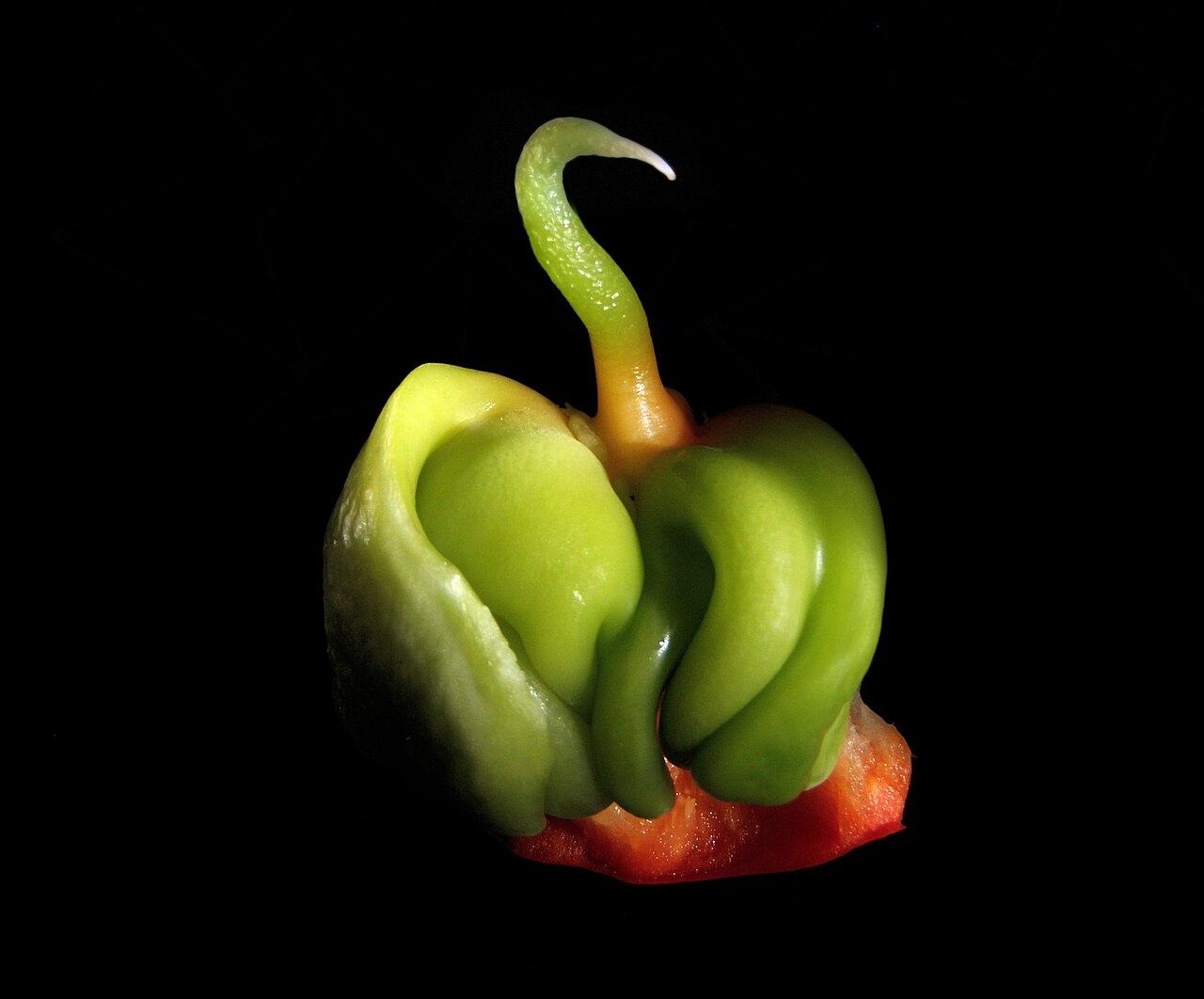
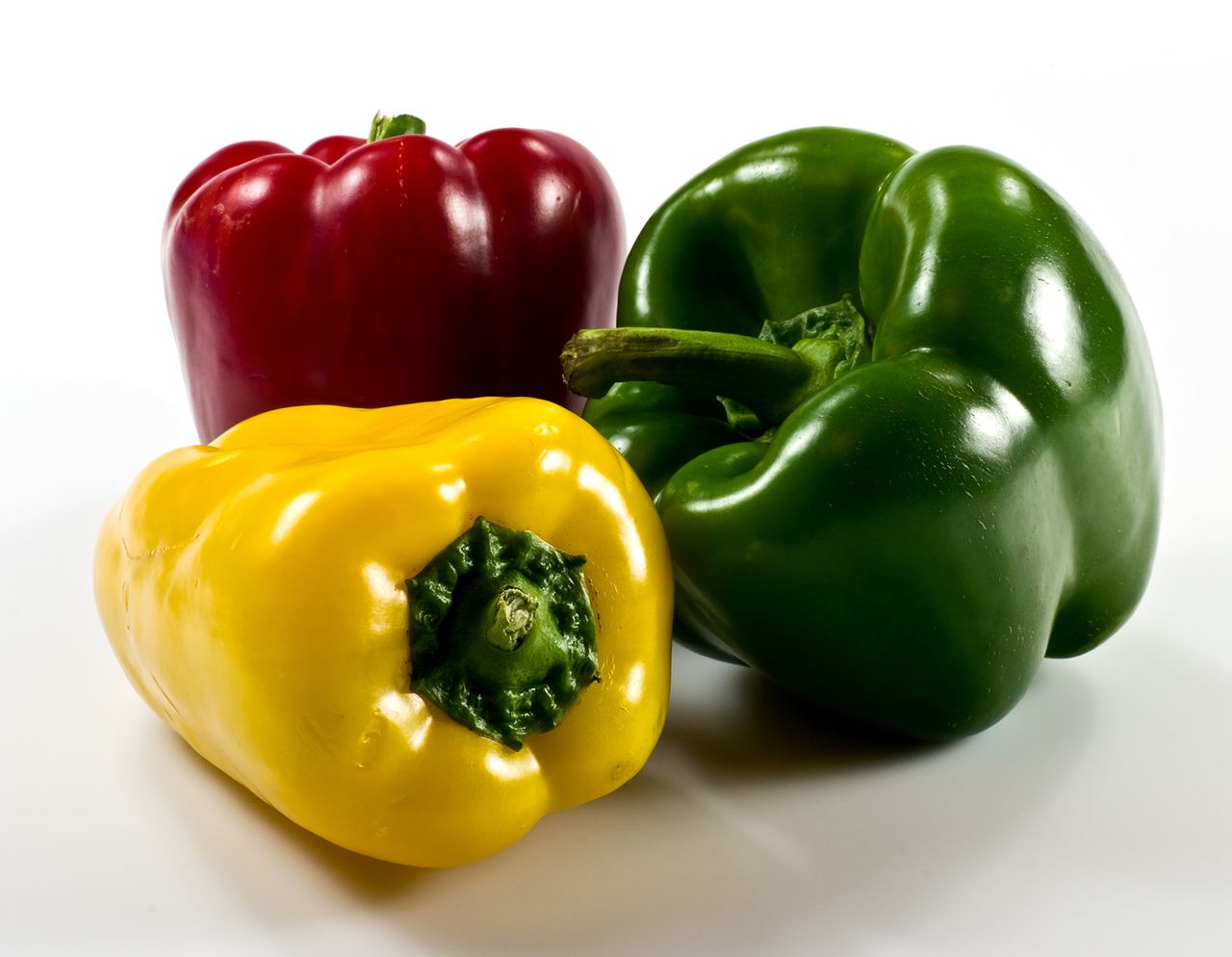
Canon 20D + Sigma 150mm f/2.8 (GFDL 1.2, Wikimedia Commons)
Growing Peppers Yourself – Sweet and Spicy Varieties from Your Own Garden
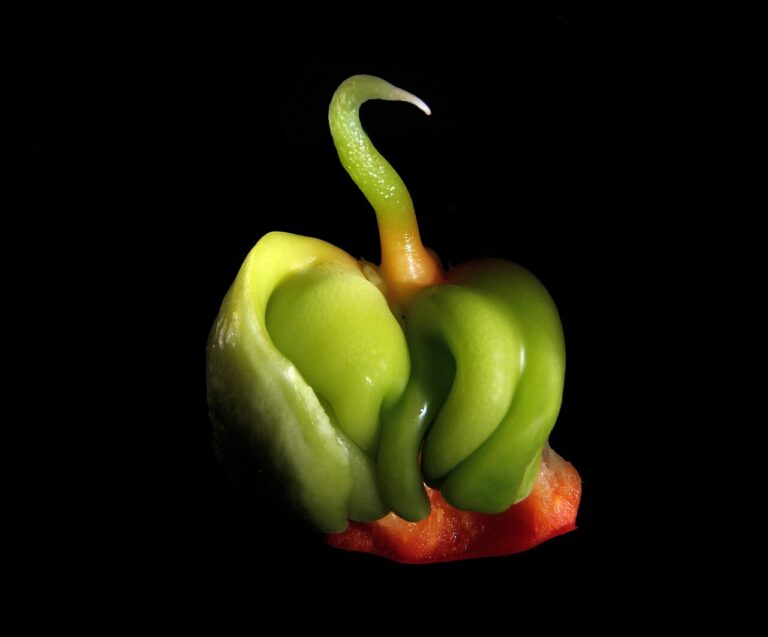
Peppers (Capsicum annuum) bring color and vitamin power to the vegetable garden. From mild and sweet to fiery hot, the variety of pepper types is impressive. Botanically, bell peppers and chili peppers belong to the same genus, distinguished only by their heat level and how they’re used. With a little patience and warmth, pepper plants thrive beautifully even in cooler climates. In this guide, you’ll learn everything about growing peppers successfully, from sowing to harvest.
Pepper Varieties for Every Taste
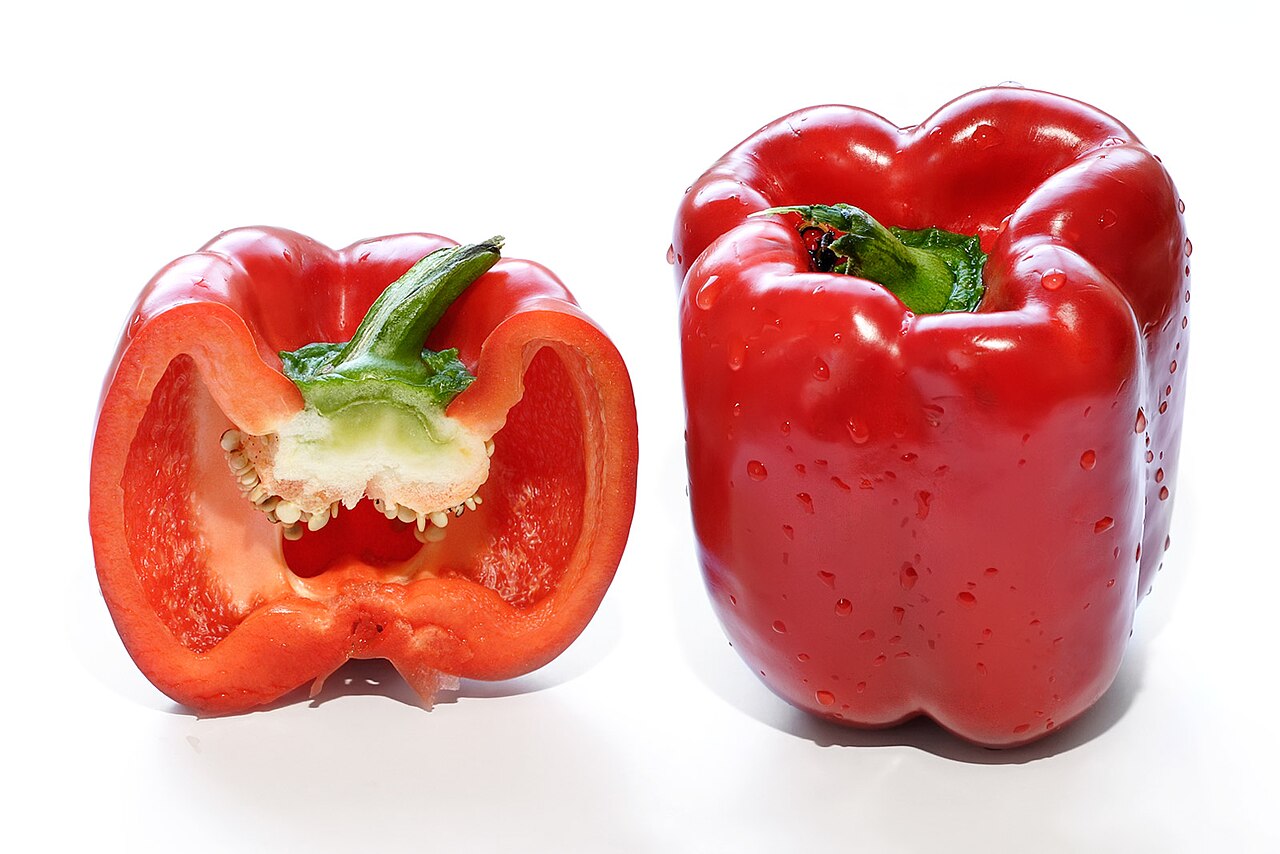
- Bell peppers: The classic large, thick-walled fruits in red, yellow, and orange — varieties like ‘California Wonder’ or ‘Yolo Wonder’.
- Pointed peppers: Elongated, slender fruits with a sweet flavor — ideal for grilling and roasting.
- Mini peppers (snack peppers): Small, sweet fruits for fresh eating — perfect for kids and balcony gardens.
- Chili varieties: From mild ‘Jalapeño’ and ‘Poblano’ to extremely hot ‘Habanero’ and ‘Carolina Reaper’ — for chili connoisseurs.
- Mediterranean varieties: ‘Peperoncini’, ‘Pimiento de Padrón’, or Italian ‘Friggitelli’ — mild, aromatic frying peppers.
Location: Warmth and Light Are Essential
Peppers need even more warmth than tomatoes. A full-sun, wind-sheltered spot is essential. Outdoors, peppers really only thrive well in mild climates. For the best yields, a greenhouse or polytunnel is ideal, since temperatures there are higher and more consistent.
The soil must be nutrient-rich, humus-rich, and well-draining. Work generous amounts of compost into the soil before planting. Black mulch film warms the soil further and encourages growth. The pH should be between 6.0 and 7.0. On a balcony, peppers thrive beautifully in large pots (at least 10 liters/2.5 gallons) placed in the sunniest spot available.
Sowing and Early Cultivation
Peppers need a long lead time, so start early in the year:
- Sowing: From late January to early March on a windowsill. An earlier start means more ripe fruit.
- Germination: Peppers need warmth — 75–82°F (24–28°C) is ideal. A heating mat is a worthwhile investment. Germination takes 10–21 days.
- Pricking out: Once the first true leaves appear, transplant into roughly 3.5-inch (9 cm) pots with more nutrient-rich soil.
- Continued growth: Keep in a bright spot at 64–72°F (18–22°C). Don’t let it get too warm, or the plants will become leggy.
- Planting out: No earlier than late May, once nighttime temperatures no longer drop below 54°F (12°C). Harden off the plants beforehand.
Summer Care
Peppers need consistent soil moisture. Less is more — too much water leads to watery fruit and reduced heat in chilies. Let the top layer of soil dry out slightly between waterings.
As moderate feeders, a base application of compost plus organic liquid fertilizer roughly every 3–4 weeks is enough. Potassium-rich fertilizer promotes fruit formation. Too much nitrogen causes plants to produce plenty of leaves but few fruits.
One important care tip: the first flower to appear, known as the “king bloom,” should be pinched off. This makes the plant bushier and encourages more flowers and fruit later on.
Harvest and Use
Green peppers can be harvested from August onward — they aren’t fully ripe yet, but they’re already edible. For red, yellow, or orange fruit, you’ll need patience: full coloring takes another 2–3 weeks after the fruit turns green. With good care and warm weather, you can keep harvesting into October.
Harvest peppers with scissors or a sharp knife — never pull them off, since the stems break easily.
Chilies dry wonderfully or can be turned into hot sauces. Any surplus peppers can be frozen or pickled.
This article may contain affiliate links. If you purchase a product through one of these links, Plantgecko may earn a commission at no extra cost to you. This never influences our editorial independence or which products we recommend.