Growing Zucchini in the Garden – A Bountiful Harvest Without Much Effort
Growing Zucchini in the Garden – A Bountiful Harvest Without Much Effort
Zucchini (Cucurbita pepo subsp. pepo convar. giromontiina) are among the most rewarding vegetables for home gardeners. From just a few plants, an impressive harvest grows in a short amount of time — often more than you can use. These easy-care squash plants thrive both in garden beds and in large containers on patios and balconies. In this guide, you’ll learn how to successfully grow and care for zucchini, and how to make creative use of your harvest.
Zucchini Varieties – Classic and Colorful
- Classic green zucchini: ‘Black Beauty’, ‘Diamant’ — proven, high-yielding standard varieties with dark green fruit.
- Yellow zucchini: ‘Gold Rush’, ‘Soleil’ — bright yellow fruit with a slightly milder flavor.
- Round zucchini: ‘Tondo di Piacenza’, ‘Eight Ball’ — ball-shaped fruit, perfect for stuffing and baking.
- White zucchini: ‘Bianca di Trieste’ — pale green to white fruit with a delicate flavor.
- Climbing zucchini: ‘Black Forest’ — a vining variety for vertical growing, ideal for small gardens.
Location and Soil
Zucchini need space and sun. Plan for about 1–1.5 square meters (10–16 sq ft) per plant, as the plants get surprisingly large. The site should be sunny to partly shaded and sheltered from wind if possible.
As heavy feeders, zucchini love nutrient-rich, humus-rich soil. Ideally, prepare the bed with plenty of compost (3–5 liters per square meter) and horn shavings. Heavy soils can be loosened up with sand. A tried-and-true trick is to grow zucchini directly on the compost heap — they thrive there beautifully while their large leaves cover the pile at the same time.
For container growing, use pots with at least 30–40 liters (8–10 gallons) of volume filled with nutrient-rich vegetable soil.
Sowing and Planting
Zucchini can be started indoors or sown directly outside:
Starting Indoors (Recommended):
- Sow from mid-April in 9–12 cm (3.5–5 inch) pots, 2 seeds per pot, 2–3 cm (about 1 inch) deep.
- Germination temperature 68–75°F (20–24°C); germination takes 6–10 days.
- Remove the weaker seedling once both have emerged.
- Plant out from mid-May, spacing plants 80–100 cm (31–39 inches) apart.
Direct Sowing:
Sow directly into the bed from mid-May, after the last frost. Plant 2–3 seeds per spot, later thinning to the strongest seedling. Direct sowing produces sturdier plants, but a later harvest.
Care: Little Work, Big Harvest
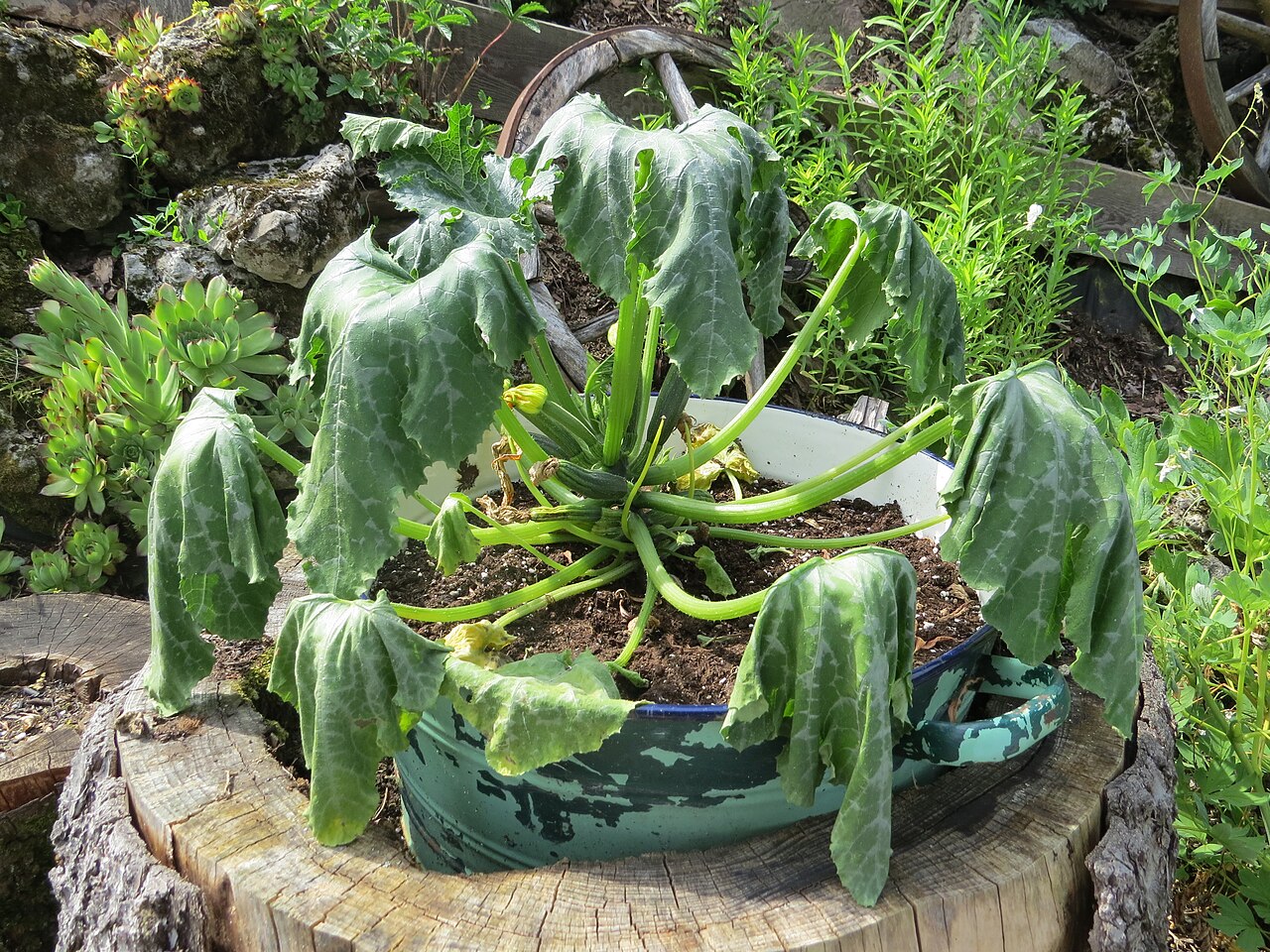
Zucchini are thirsty plants. Water regularly and deeply, especially during fruit formation. 10–20 liters (2.5–5 gallons) of water per plant per week is normal in midsummer. Water at the base of the plant — wet leaves encourage powdery mildew.
Feed every 2–3 weeks during the main growing season with organic vegetable fertilizer or diluted nettle manure. A nitrogen deficiency shows up as pale, yellowish-green leaves.
A mulch layer of grass clippings or straw retains soil moisture and suppresses weeds. It also keeps the fruit from resting directly on the soil, which helps prevent rot.
Zucchini produce separate male and female flowers. In cool, rainy weather, insect pollination can fail. Hand pollination then helps: use a small brush to transfer pollen from the male flower to the female flower, which is recognizable by the small fruit swelling at its base.
Harvest: The Earlier, the Better
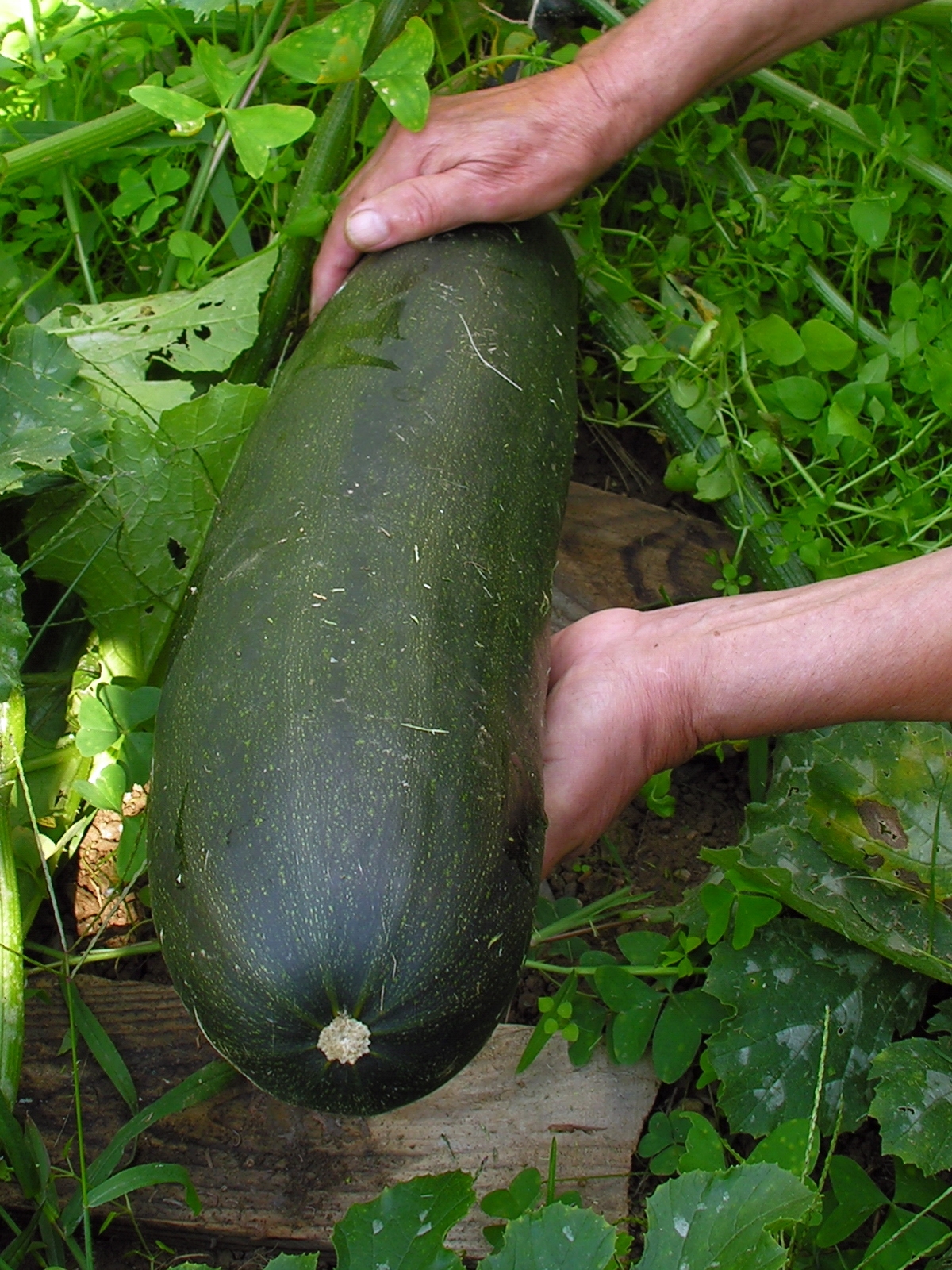
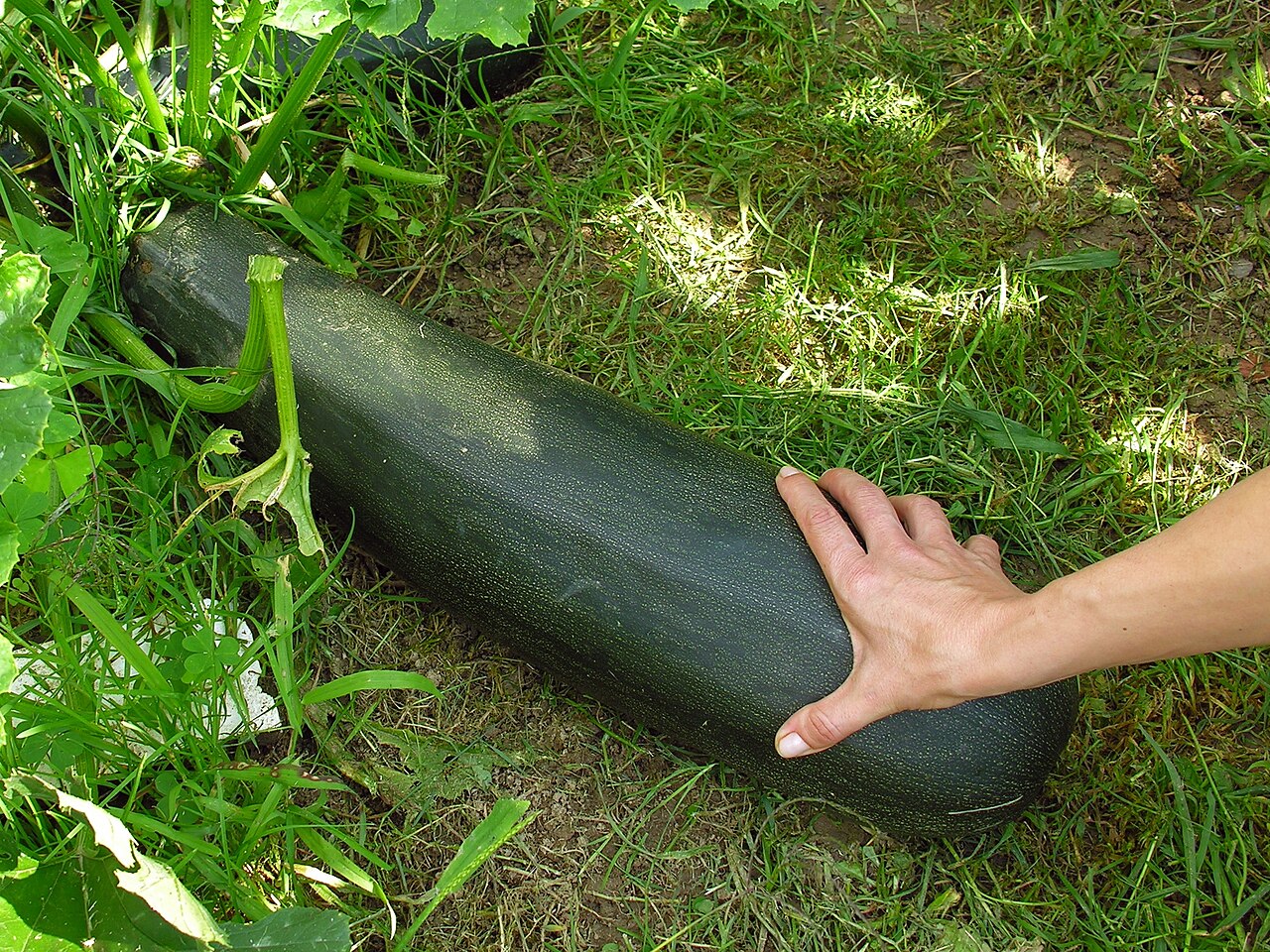
The first harvest comes just 6–8 weeks after planting. Harvest zucchini young, when they’re 15–20 cm (6–8 inches) long — at this size they’re tender, low in seeds, and full of flavor. If left to grow larger, the plant produces fewer new fruits, and the zucchini themselves turn watery and mealy.
Cut the fruit off with a sharp knife rather than twisting it off. Harvesting every 2–3 days prevents giant, overgrown specimens and keeps the plant productive. With good care, harvesting continues from July until the first frost.
Zucchini blossoms, by the way, are a delicacy: stuffed with cream cheese and fried in a light beer batter — a Mediterranean treat!
This article may contain affiliate links. If you purchase a product through one of these links, Plantgecko may earn a commission at no extra cost to you. This never influences our editorial independence or which products we recommend.