Succulent Care: The Complete Guide for Beginners
Succulents are plants that store water in thick, fleshy leaves, stems, or roots, an adaptation to arid environments that also makes them famously tolerant of neglect. The term covers a huge range of species — echeveria, sedum, haworthia, aloe, and many others — but most share the same core care requirements, making a single set of guidelines useful across the whole group.
Light
Most succulents need bright light to thrive, ideally several hours of direct or very bright indirect sun daily. A south- or west-facing windowsill is usually the best indoor spot. Without enough light, succulents etiolate — stretching upward with elongated, pale stems and widely spaced leaves as they reach for a light source. This stretching is permanent and won’t reverse, though a stretched plant can be propagated to start fresh in better light. When moving succulents outdoors or increasing light levels, do it gradually over a week or two to prevent sunburn, since leaves grown in lower light are more sensitive to sudden intense sun.
Watering
The single most common way to kill a succulent is overwatering. Water thoroughly, then let the soil dry out completely before watering again — for most homes this means watering every 1-3 weeks, less in winter when growth slows. Always check the soil rather than watering on a fixed schedule, since light, temperature, and pot size all affect how quickly it dries. Signs of overwatering include translucent, mushy, or discolored leaves and black spots at the base of the stem, while underwatered succulents show wrinkled, deflated-looking leaves that plump back up soon after a good watering.
Soil and Containers
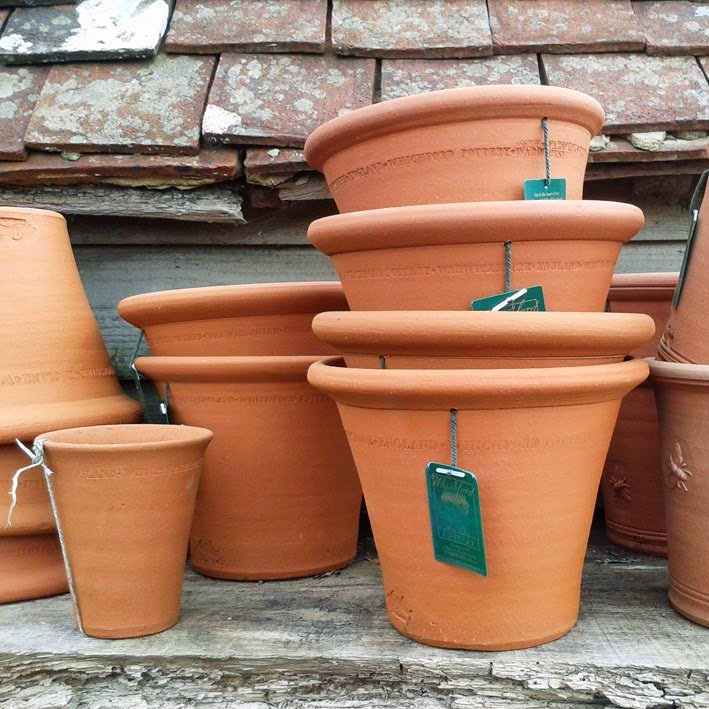
Succulents need fast-draining soil that never stays soggy. Use a purpose-made succulent or cactus mix, or make your own by combining regular potting soil with coarse sand, perlite, or pumice at roughly a 1:1 ratio. A pot with a drainage hole is essential; without one, water pools at the bottom of the container and roots rot even if you’re careful about watering frequency.
Temperature and Feeding
Most common succulents prefer daytime temperatures of 65-80°F (18-27°C) and tolerate cooler nights, but most are not frost-hardy and should be brought indoors or protected when temperatures drop near freezing. Feed sparingly — succulents are adapted to nutrient-poor soils — with a diluted, balanced fertilizer once or twice during the growing season (spring into summer) and none in fall or winter.
Propagation
Many succulents propagate readily from leaves or stem cuttings. Twist a healthy leaf gently from the stem so it detaches cleanly, then let it sit somewhere dry out of direct sun for a few days until the wound calluses over. Lay the callused leaf on top of well-draining soil and mist lightly every few days; roots and eventually a tiny new rosette will form at the base over several weeks. Stem cuttings follow the same principle: let the cut end callus for a few days before placing it in soil, since planting an unhealed cutting in moist soil often leads to rot rather than rooting.
This article may contain affiliate links. If you purchase a product through one of these links, Plantgecko may earn a commission at no extra cost to you. This never influences our editorial independence or which products we recommend.