Plastic Pots vs. Ceramic Pots: The Ultimate Comparison
Moisture Retention and Breathability
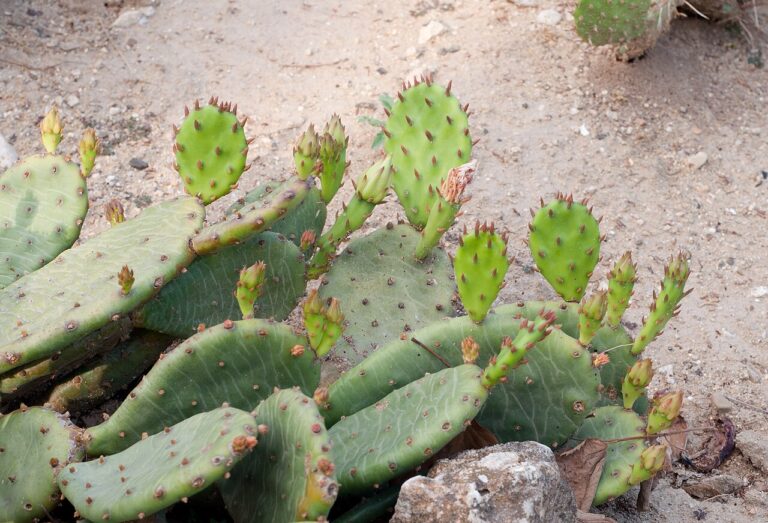
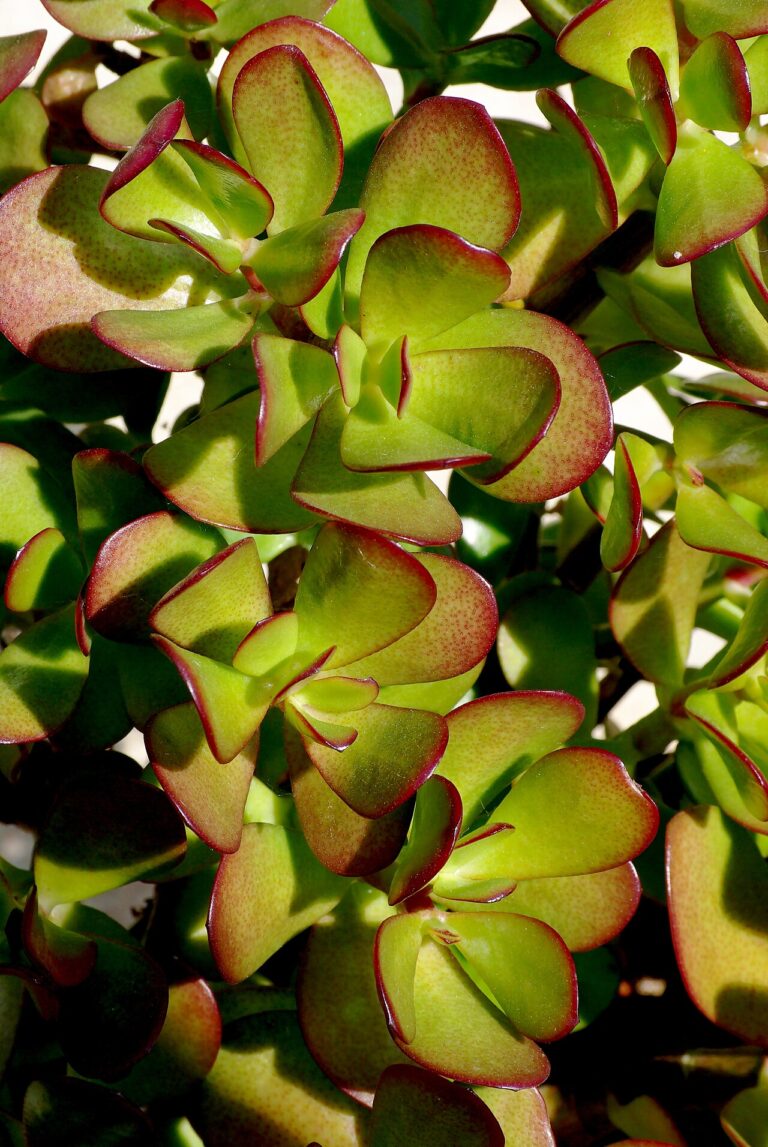
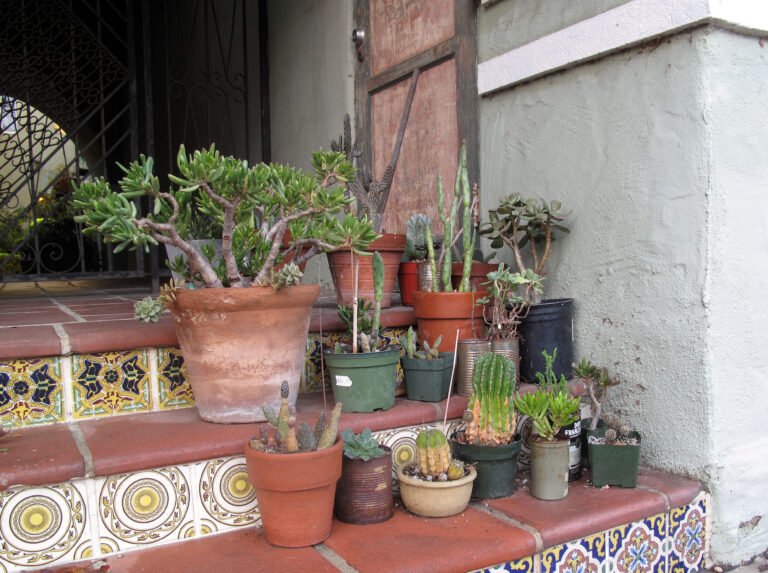
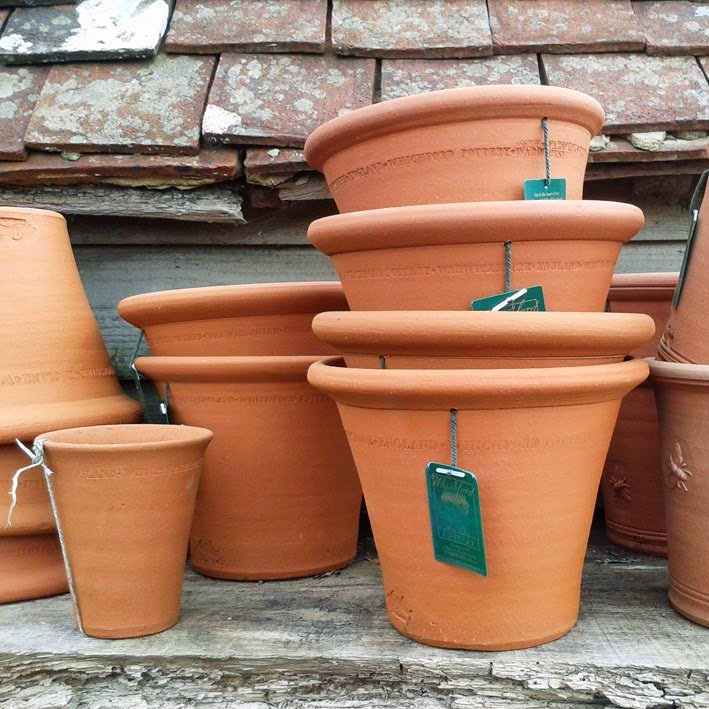
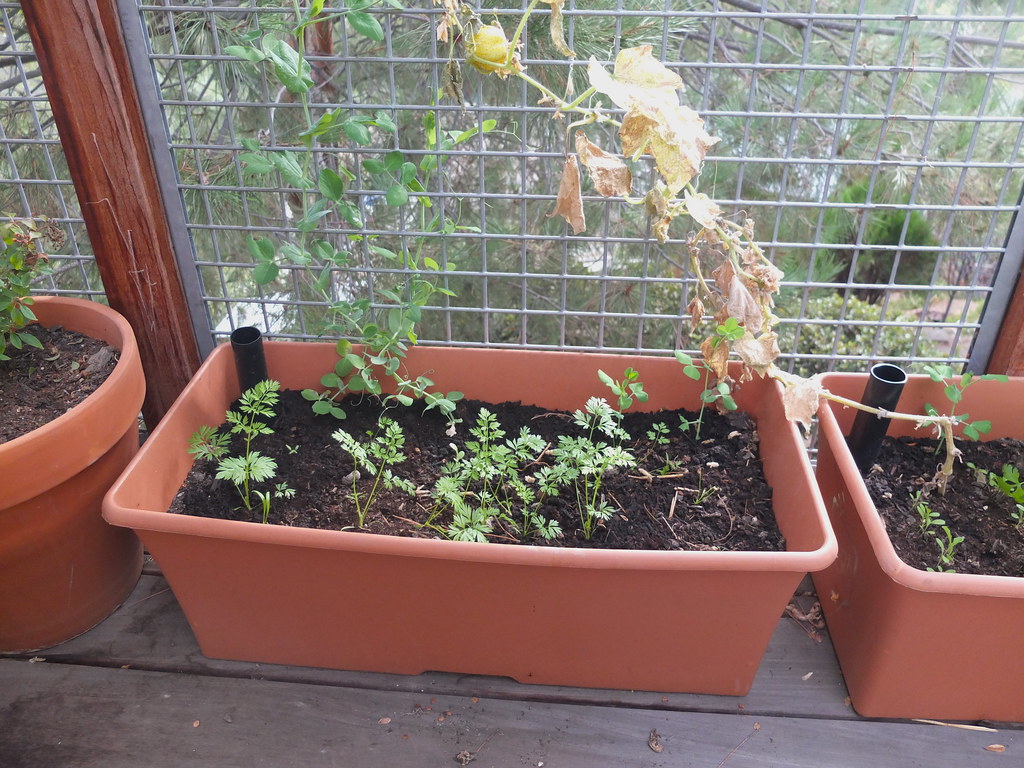
The biggest practical difference between plastic and unglazed ceramic (terracotta) pots is porosity. Terracotta is a fired clay that remains slightly porous, allowing water and air to pass through its walls. This lets excess moisture evaporate, which helps soil dry out faster between waterings — a real benefit for plants prone to root rot, like succulents, cacti, and Mediterranean herbs. Plastic pots are non-porous, so all moisture loss happens through the soil surface and drainage holes, meaning soil stays wetter for longer. That makes plastic a better match for moisture-loving plants like ferns, calatheas, and many tropical houseplants, and a riskier choice for drought-tolerant species unless you adjust your watering habits accordingly.
Weight, Durability, and Temperature
Ceramic pots are heavy, which gives top-heavy plants better stability but makes large specimens difficult to move and unsuitable for hanging or high-shelf display. They are also brittle and can crack from a fall or from water freezing inside the clay in winter. Plastic pots are lightweight, easy to relocate, and far more resistant to cracking or chipping, which makes them practical for plants that get repotted or rearranged often. Unglazed terracotta also has poor insulation, so soil temperature fluctuates with the surrounding air more than in plastic, which can stress roots during temperature swings, particularly outdoors.
Salt Buildup, Cost, and Appearance
Because water evaporates through terracotta walls, mineral salts from tap water and fertilizer are drawn to the surface and often appear as a white, chalky crust on the outside of the pot. This is mostly cosmetic but can be scrubbed off, and in glazed ceramic pots (which are non-porous like plastic) it does not occur at all. Plastic pots are typically less expensive and come in a much wider range of colors and shapes, while unglazed terracotta offers a classic, natural look that many growers prefer for display, at a higher price point for larger sizes.
Popular Pot Picks Compared
If you’re shopping for pots rather than debating materials in the abstract, here are specific, widely available options worth checking out for each category.
| Product | Material | Price Range | Best For |
|---|---|---|---|
| Bloem Terra Pot Planter | Plastic | Budget | Everyday houseplants, easy rearranging |
| Novelty Rose Pot | Plastic | Budget | Outdoor container gardening |
| D’vine Dev Terracotta Clay Pot | Unglazed terracotta | Mid-range | Succulents, cacti, herbs |
| La Jolíe Muse Ceramic Planter | Glazed ceramic | Higher-end | Display pieces, moisture-loving tropicals |
Which Should You Choose?
There is no universally better option — the right pot depends on the plant. Use unglazed terracotta for succulents, cacti, and other plants that need soil to dry out quickly, and choose plastic (or glazed ceramic) for moisture-loving tropicals, seedlings, or anywhere lighter weight and lower cost matter. Whatever material you choose, always confirm the pot has a functional drainage hole, since that matters more for root health than the material itself.
This article may contain affiliate links. If you purchase a product through one of these links, Plantgecko may earn a commission at no extra cost to you. This never influences our editorial independence or which products we recommend.