Aloe Vera Care: The Healing Plant on Your Windowsill
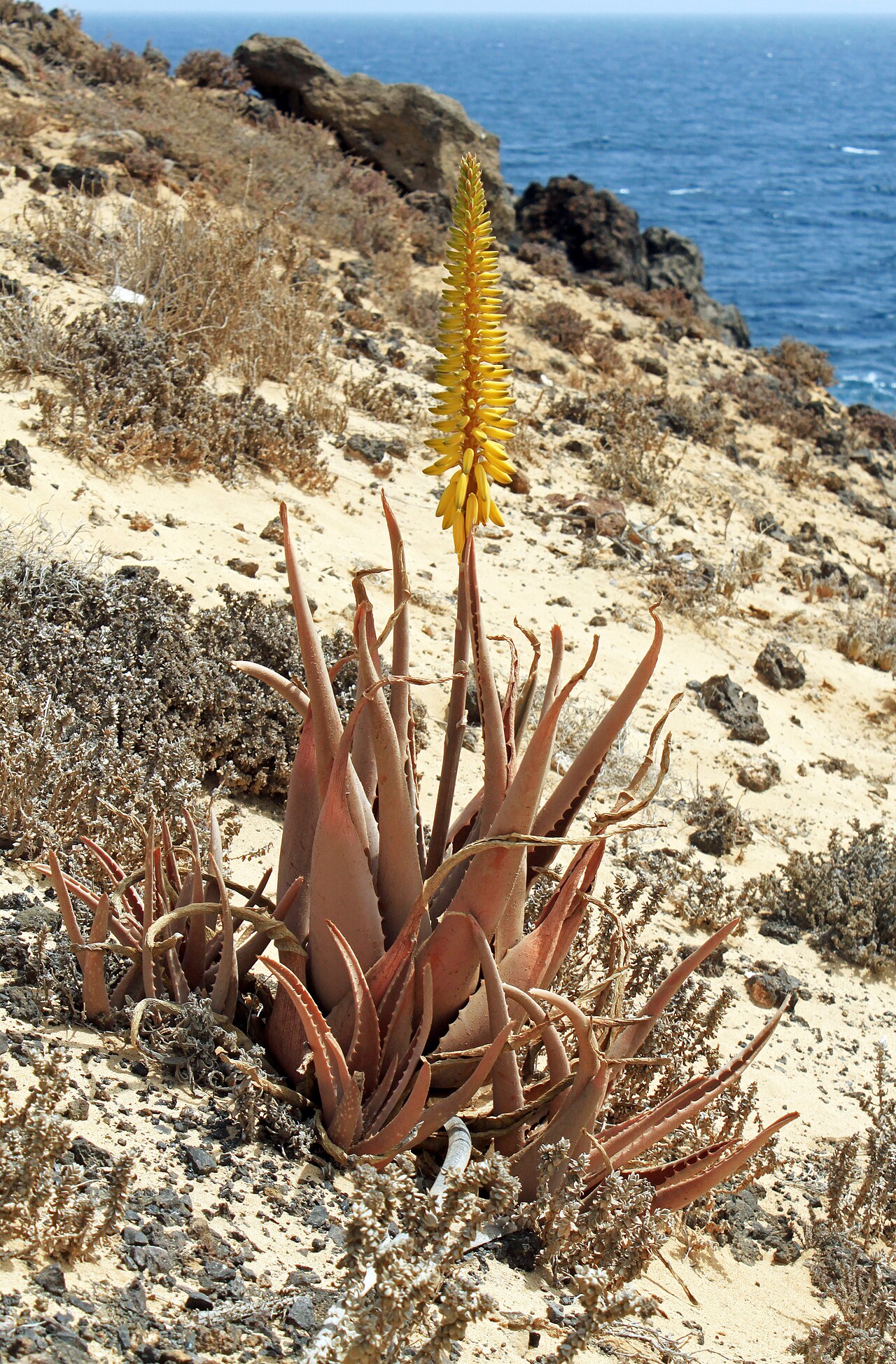
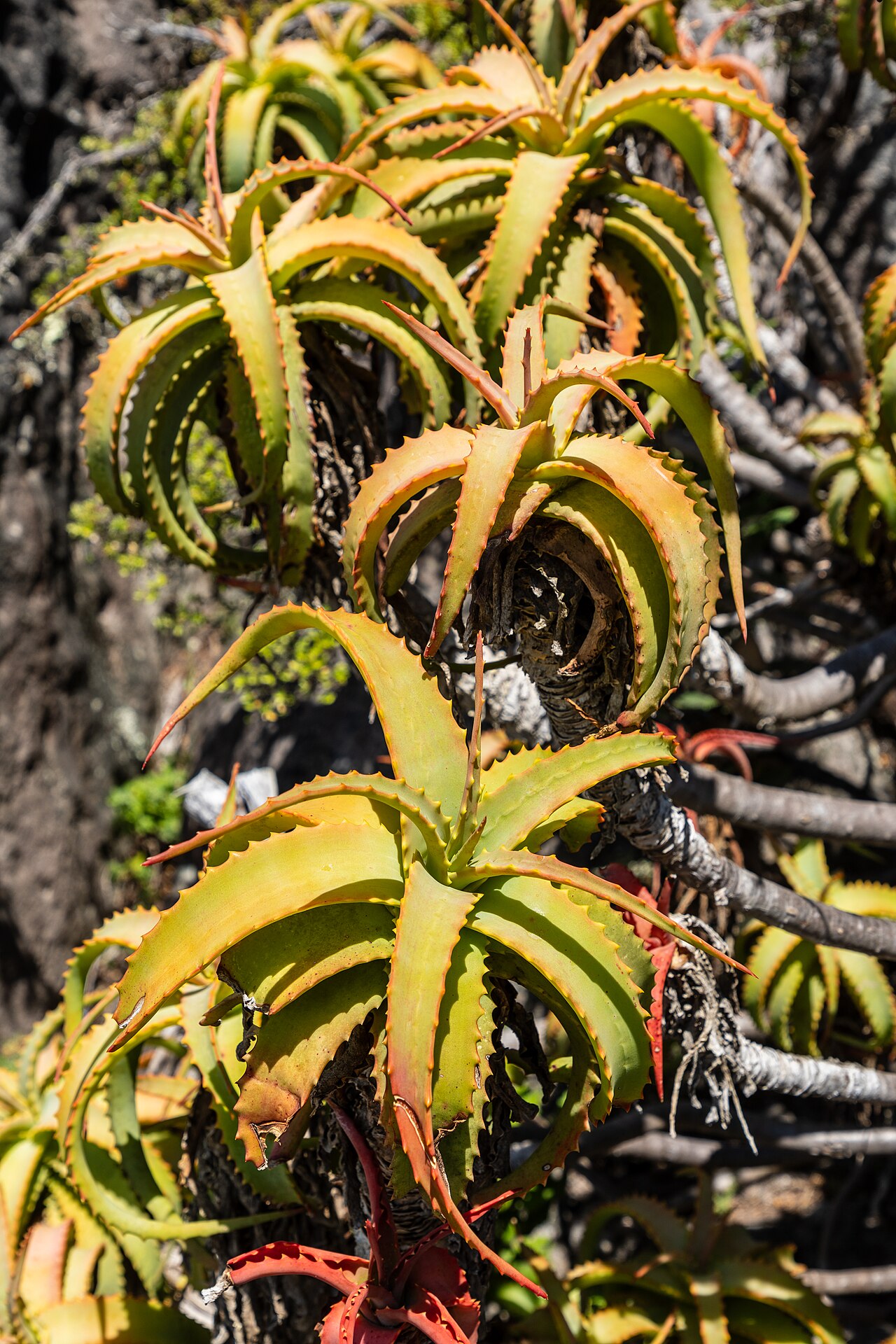
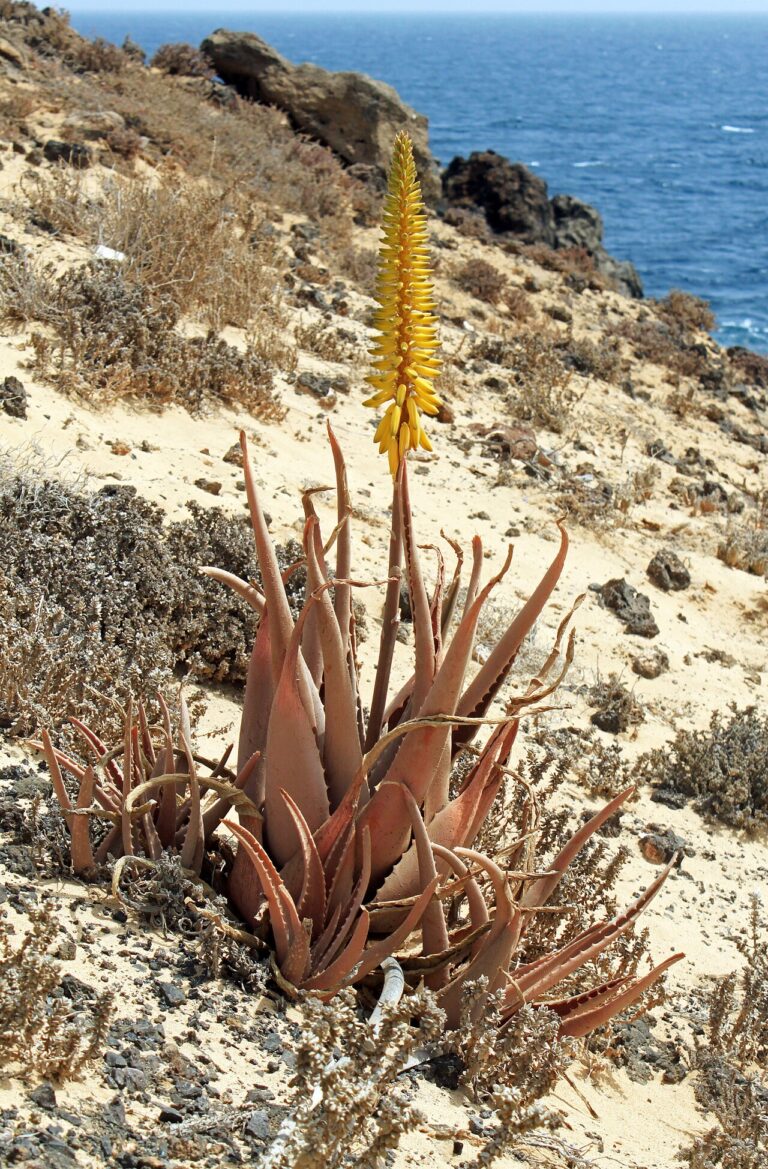
Aloe vera is a succulent long valued both as an easy-care houseplant and for the soothing gel inside its fleshy leaves, traditionally used on minor burns and skin irritation. Native to arid regions, it stores water in its thick leaves and thrives on benign neglect, making it one of the most forgiving plants for a sunny windowsill.
Light and Watering
Aloe vera needs plenty of bright light to stay compact and healthy; a south- or west-facing windowsill with several hours of direct sun is ideal. In too little light, the plant will stretch and lean toward the light source with thin, pale leaves. As a succulent, aloe stores water in its leaves and prefers to dry out fully between waterings — water deeply, then wait until the soil is completely dry before watering again, which in most homes means roughly every two to three weeks, less often in winter. Overwatering is by far the most common cause of aloe problems.
Soil and Potting
Good drainage is essential. Use a specific cactus and succulent potting mix, or amend regular potting soil with extra perlite or coarse sand, and always choose a pot with a drainage hole. Terracotta pots are a good choice because the porous material lets excess moisture evaporate. Repot every couple of years, or when the plant becomes top-heavy or outgrows its pot, moving up only one pot size at a time.
Propagation from Offsets
Mature aloe plants readily produce “pups,” small offsets that grow from the base of the parent plant. Once a pup has a few of its own leaves and is a few centimetres tall, you can separate it by gently removing the whole plant from its pot and teasing the pup away with some of its own roots attached. Let the cut surface callous over for a day in a dry spot before potting the pup into its own well-draining soil, then wait about a week before watering to allow any wounds to heal.
- Brown, mushy base or leaves: a sign of root rot from overwatering or poorly draining soil; remove affected tissue and let the plant dry out.
- Thin, curling, or leaning leaves: usually caused by insufficient light.
- Brown leaf tips: can result from tap water minerals, underwatering, or occasionally too much direct sun combined with heat.
With bright light, well-draining soil, and a watering routine that errs on the dry side, aloe vera is remarkably self-sufficient, and a well-grown plant will keep producing offsets you can pot up or share for years to come.
This article may contain affiliate links. If you purchase a product through one of these links, Plantgecko may earn a commission at no extra cost to you. This never influences our editorial independence or which products we recommend.