Echeveria: Rosette Succulents for Sunny Spots
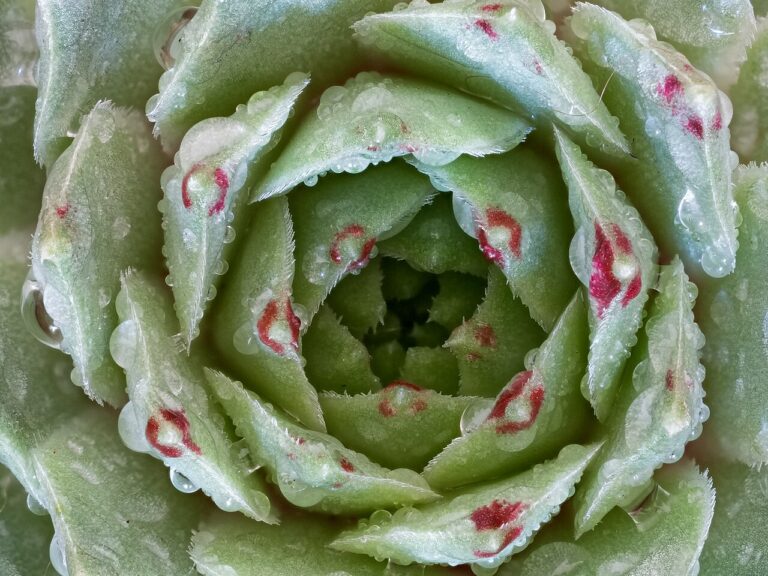
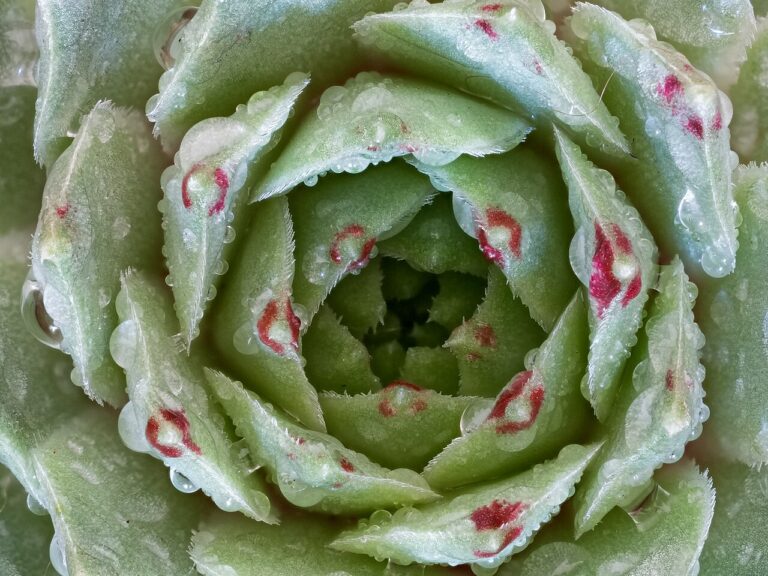
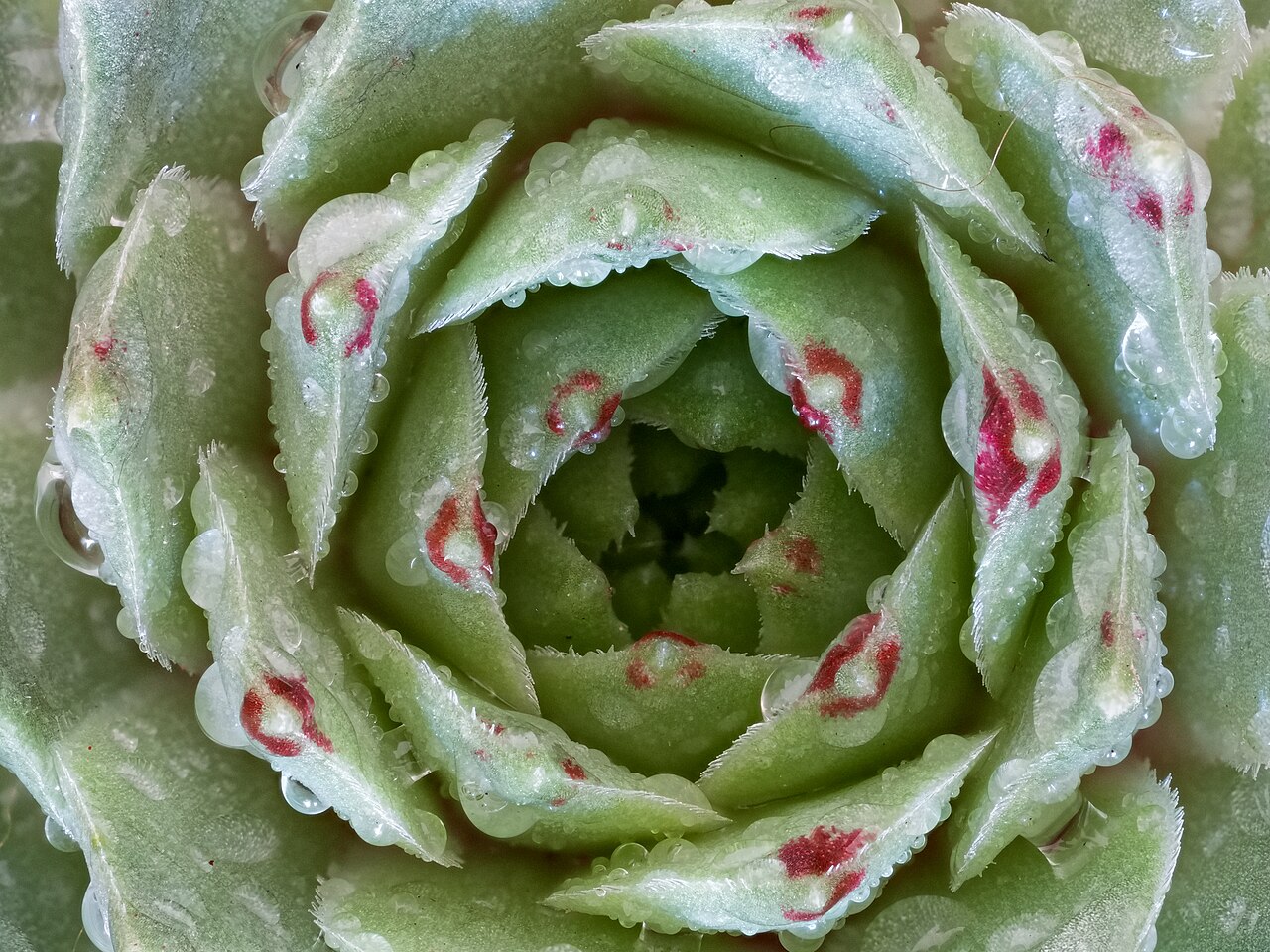
Echeveria is among the most photogenic succulents, forming tight, symmetrical rosettes in colors ranging from powdery blue-green to deep purple and coral pink. Native to semi-desert regions of Mexico and Central America, echeveria’s care revolves around replicating its natural preference for intense light and infrequent, thorough watering.
Light Requirements
Echeveria needs bright light, ideally several hours of direct sun, to maintain its characteristic compact, tight rosette shape and vivid coloring. Insufficient light is the most common cause of disappointment with this plant: it causes the rosette to stretch upward and the leaves to space out along an elongating stem, a permanent and somewhat awkward change called etiolation that pruning cannot fully reverse.
Watering: Soak and Dry Thoroughly
Water deeply, then allow the soil to dry out completely before watering again, typically every one to two weeks in the growing season and considerably less in winter. Avoid getting water into the center of the rosette, where it can pool and lead to rot in the tightly packed new growth.
Soil and Potting
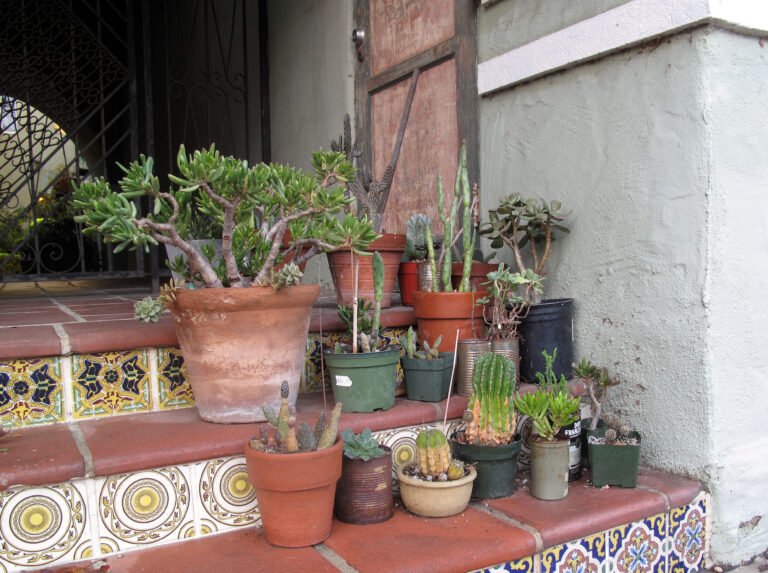
A gritty, fast-draining succulent or cactus mix is essential; regular potting soil retains far too much moisture. Terracotta pots with drainage holes are ideal, as their porous material helps excess moisture evaporate and reduces the risk of waterlogging around the roots.
Temperature Tolerance
Most common echeveria varieties are not frost-hardy and should be protected or brought indoors before temperatures drop near freezing. They do well in typical warm, dry room conditions and can spend summer outdoors in a bright, sheltered spot with a gradual transition to prevent sunburn.
Feeding
Echeveria needs minimal feeding – a diluted, balanced fertilizer once or twice during the active spring and summer growing season is sufficient. Excess fertilizer tends to produce soft, weak growth that is more prone to rot and less attractively compact.
Propagation
Echeveria is easy to propagate two ways: from offsets (small rosettes that form around the base of a mature plant, which can be separated and potted once they have their own roots) and from individual leaves. To propagate by leaf, gently twist off a healthy leaf at its base, let the wound callus over for a day or two, and lay it on top of well-draining soil; with bright light and light misting, tiny roots and a new rosette typically emerge from the base within a few weeks.
Common Problems
Mealybugs, appearing as small white cottony clusters, are the most common pest and can be treated by dabbing with rubbing alcohol on a cotton swab. Mushy, translucent leaves signal overwatering or rot, while a stretched, elongated rosette points to insufficient light – the fix for the latter is simply relocating the plant to a brighter spot going forward.
Seasonal Watering Changes
Echeveria’s watering schedule should shift meaningfully across seasons to match its natural growth pattern. Spring and summer active growth call for watering roughly every one to two weeks once the soil is fully dry. As days shorten in autumn, growth slows and watering should be reduced to every three to four weeks. Winter, when many echeveria enter a semi-dormant rest, often needs watering only once a month or even less, particularly if the plant is in a cooler spot with lower light. Outdoor or balcony-grown echeveria in climates with any winter frost risk should be brought indoors to a bright windowsill before the first cold nights, since most common varieties have little to no frost tolerance despite being quite drought and heat tolerant during the warm season.
Supplementing Light When Needed
For echeveria kept indoors away from a strong south-facing window, a small LED grow light positioned close to the plant can prevent the stretching and fading that comes from insufficient natural light, particularly through shorter winter days. Even a few extra hours of supplemental light daily can be enough to keep a rosette compact and richly colored when natural sunlight alone falls short.
Frequently Asked Questions
Can echeveria survive indoors year-round without direct sun?
It’s difficult; echeveria genuinely needs strong light, ideally some direct sun, to stay compact, and most indoor spots without direct light or supplemental grow lighting will eventually cause it to stretch and lose its tight rosette form.
Why did my echeveria’s rosette turn into a long stem?
This stretching, called etiolation, happens when the plant reaches for insufficient light. It cannot be reversed on the existing stem, but the rosette top can be cut off, allowed to callus, and re-rooted as a fresh, compact plant in brighter light.
How often do echeveria plants need repotting?
Echeveria is slow-growing and generally needs repotting only every two to three years, or when offsets have crowded the pot, since it doesn’t require or benefit from a larger container as quickly as faster-growing plants.
Do echeveria plants flower?
Yes, mature, healthy echeveria often send up a tall, arching flower stalk with small bell-shaped blooms, usually in spring or summer, though flowering is a bonus rather than a reliable yearly event for every plant.