Aloe Vera Care: The Complete Guide to This Healing Succulent
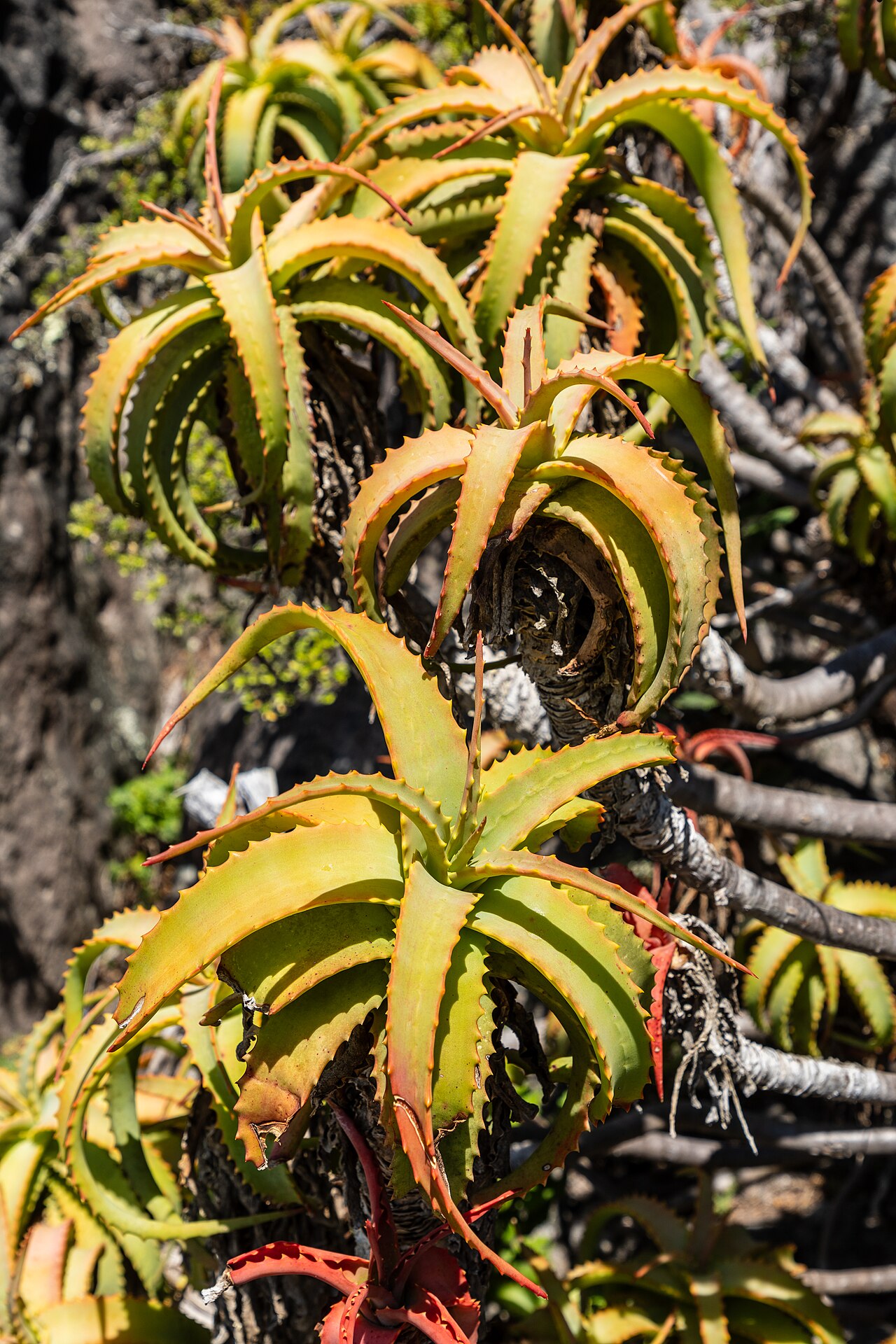
Aloe vera is one of the most popular succulents grown indoors, prized both for its sculptural, spiky rosette of leaves and for the soothing gel inside those leaves, long used to treat minor burns and skin irritation. It’s also remarkably forgiving, making it a favorite for beginners who tend to underwater rather than overwater.
Light and Temperature
Aloe vera thrives in bright, indirect to direct light. A south- or west-facing windowsill is ideal; a few hours of direct morning sun is fine, but intense afternoon sun through glass can scorch leaves that haven’t been acclimated to it. If a plant looks pale, stretched, or is leaning heavily toward the window, it’s a sign it needs more light. Aloe prefers warm conditions, roughly 55 to 80°F (13 to 27°C), and should be kept away from cold drafts and frost, since it is not cold-hardy.
Watering and Soil
As a succulent, aloe stores water in its thick leaves and is far more likely to suffer from overwatering than underwatering. Let the soil dry out completely between waterings, then water thoroughly until it drains from the pot’s bottom, discarding any water left standing in a saucer. In winter, when growth slows, cut back watering further. Soft, mushy, or translucent leaves usually signal root rot from overwatering, while leaves that curl or thin can indicate the plant is thirsty.
Good drainage is essential. Use a cactus or succulent potting mix, or amend regular potting soil with perlite or coarse sand, and always choose a pot with drainage holes. Unglazed terracotta pots are a good option since they let excess moisture evaporate through the walls.
Feeding and Repotting
Aloe vera doesn’t need much fertilizer. A diluted, balanced liquid fertilizer once or twice during the spring and summer growing season is plenty; feeding through winter dormancy isn’t necessary and can encourage weak growth. Repot every two to three years, or sooner if the plant has outgrown its pot or offsets (“pups”) have crowded the base, choosing a container only slightly larger than the current one, since succulents generally prefer to be somewhat pot-bound.
Propagation and Common Problems
Aloe vera propagates easily from the offsets, or pups, that grow around the base of a mature plant. Once a pup has a few of its own leaves and roots, gently separate it from the parent with a clean cut, let the cut ends callus over for a day or two, then pot it in well-draining succulent mix and water sparingly until it establishes.
- Brown, dry leaf tips often mean the air is too dry or the plant has gotten too much direct sun without acclimation.
- Root rot from soggy soil is the most common killer; if caught early, unpot the plant, trim away mushy roots, let it dry out, and repot in fresh, dry mix.
- Mealybugs and scale occasionally appear; wipe them off with a cotton swab dipped in rubbing alcohol.
- Leggy, stretched growth means the plant needs a brighter spot.
With bright light, minimal water, and well-draining soil, aloe vera is a low-maintenance houseplant that can live for many years and multiply into a whole collection of pups to share with friends.
This article may contain affiliate links. If you purchase a product through one of these links, Plantgecko may earn a commission at no extra cost to you. This never influences our editorial independence or which products we recommend.