Choosing the Right Pot Size for Every Plant — Growth and Health in Focus
It’s tempting to think bigger is always better when choosing a pot for a new plant, but pot size has a real and sometimes surprising effect on plant health. Too large a pot can be just as harmful as too small, and understanding why will save you from some of the most common houseplant mistakes.
Why Pot Size Matters
A plant’s roots and top growth exist in balance. When a pot is too large for the current root system, the excess soil holds moisture far longer than the roots can use it, creating a persistently damp environment that promotes root rot, especially for plants that prefer to dry out between waterings. A pot that’s too small, on the other hand, restricts root growth, causes the plant to dry out very quickly, and eventually leads to a root-bound plant circling the container with nowhere left to grow.
The General Sizing Rule
A common and reliable guideline is to choose a new pot only 2.5 to 5 cm (1 to 2 inches) larger in diameter than the current one when repotting, rather than jumping several sizes at once. Fast-growing plants can tolerate the larger end of that range; slow growers, and especially succulents, do better with the smaller increase.
Depth Matters Too
Pot depth should suit the plant’s natural root structure. Plants with fibrous, spreading roots (many ferns and foliage plants) do well in wider, shallower pots, while plants with a taproot or naturally deep root system (many succulents and some flowering plants) benefit from proportionally deeper containers.
Signs a Plant Has Outgrown Its Pot
Roots emerging from drainage holes, soil that dries out unusually fast after watering, roots visibly circling at the soil surface, and slowed or stalled growth despite good light and feeding are all signals that it’s time to size up. Conversely, a plant sitting in soil that stays wet for many days after watering may actually be in too large a pot for its current root mass.
Material Matters As Much As Size
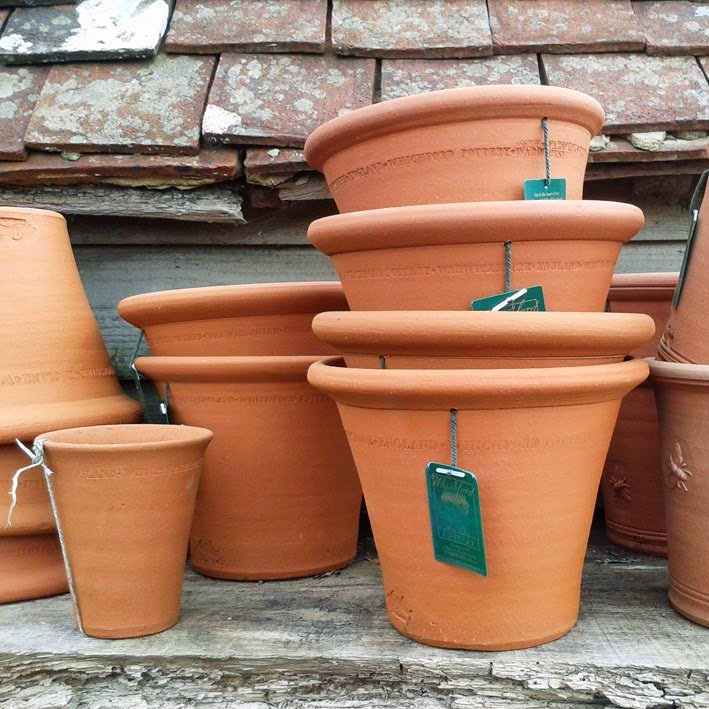
Terracotta pots are porous and let excess moisture evaporate through the walls, which is helpful for succulents and other plants prone to rot, but means more frequent watering. Glazed ceramic, plastic, and resin pots retain moisture longer, suiting thirstier tropical foliage plants but requiring more caution against overwatering. Always prioritize a drainage hole regardless of material – a beautiful pot without one is a liability unless used as an outer decorative cover for a properly draining inner nursery pot.
Product Picks Worth Considering
The right container makes ongoing care noticeably easier. These are dependable, widely used options across common needs:
- Terracotta Plant Pots with Drainage Holes – classic porous clay pots well suited to succulents, cacti, and plants that need to dry out between waterings
- Bloem Dura Cotta Resin Planter – a lightweight, crack-resistant terracotta-look planter that’s easier to move than real clay for larger plants
- Root Pouch Fabric Grow Bags – breathable fabric pots that promote healthy root pruning and excellent drainage, popular for edibles and fast growers
- Mkono Plastic Nursery Pots with Saucers – affordable, lightweight plastic pots with attached saucers, useful for propagating cuttings or housing a growing collection economically
A Practical Repotting Routine
As a simple rule of thumb, check most actively growing houseplants for repotting needs once a year in spring, sizing up gradually only when clear signs of being root-bound appear, and resist the urge to give every new plant an oversized pot ‘to grow into’ – it usually does more harm than good.
Repotting Season and Technique
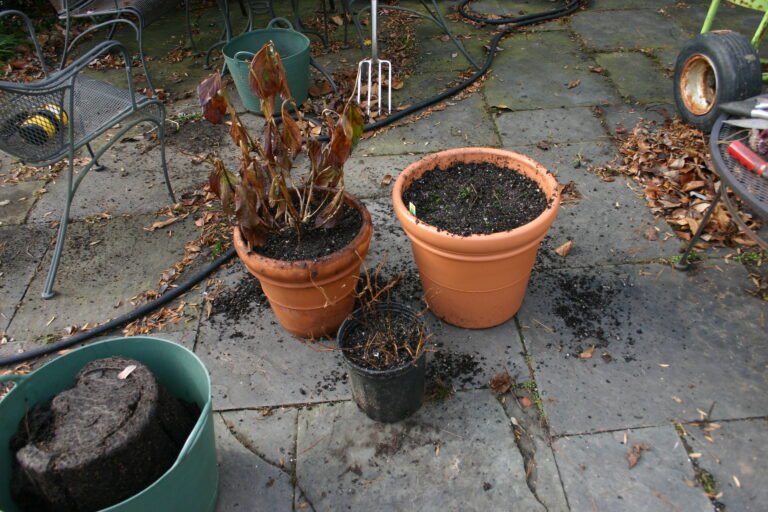
Spring, as plants enter their active growth phase, is generally the best time to repot most houseplants, since they recover and establish new roots fastest during this period. Before repotting, water the plant a day or two ahead so the root ball comes out of its old pot more easily and with less root damage. Gently loosen any tightly circled roots at the edges of the root ball before placing the plant in its new pot, backfilling with fresh potting mix, and watering thoroughly to settle the soil around the roots. Avoid fertilizing immediately after repotting; fresh potting mix typically already contains some nutrients, and newly disturbed roots are more vulnerable to fertilizer burn until they’ve had a few weeks to settle in.
Frequently Asked Questions
Should I always repot into a bigger pot?
No. Repotting should generally go up only one size (2.5 to 5 cm / 1 to 2 inches in diameter) at a time; jumping to a much larger pot leaves excess soil that stays wet too long and increases root rot risk.
Does a bigger pot mean a bigger plant?
Not directly. While root space does influence eventual plant size over time, giving a small plant an oversized pot too early doesn’t speed growth and more often causes problems from excess retained moisture.
Can I reuse an old pot for a new plant?
Yes, as long as it’s cleaned thoroughly first; scrub away old soil residue and salt deposits, then rinse with a diluted bleach or vinegar solution and rinse again with plain water to reduce the risk of transferring pests or disease to the new plant.
What size pot is right for a small propagated cutting?
A small pot, often just 6 to 10 cm (2.5 to 4 inches) in diameter, suits a rooted cutting best; too much soil volume around a small root system holds excess moisture and can lead to rot before the young plant establishes.