African Violet Care: Colorful Blooms for Your Windowsill
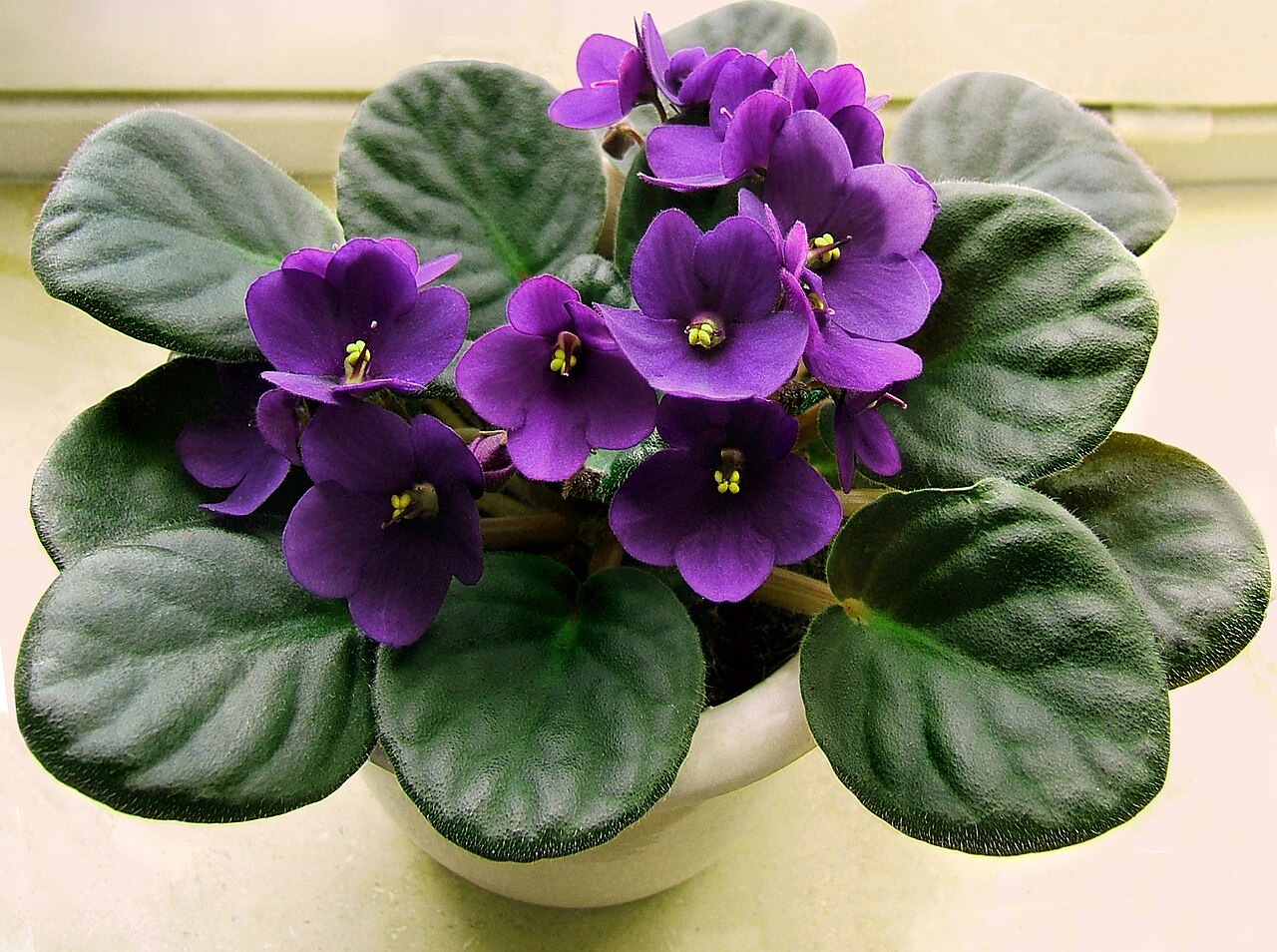
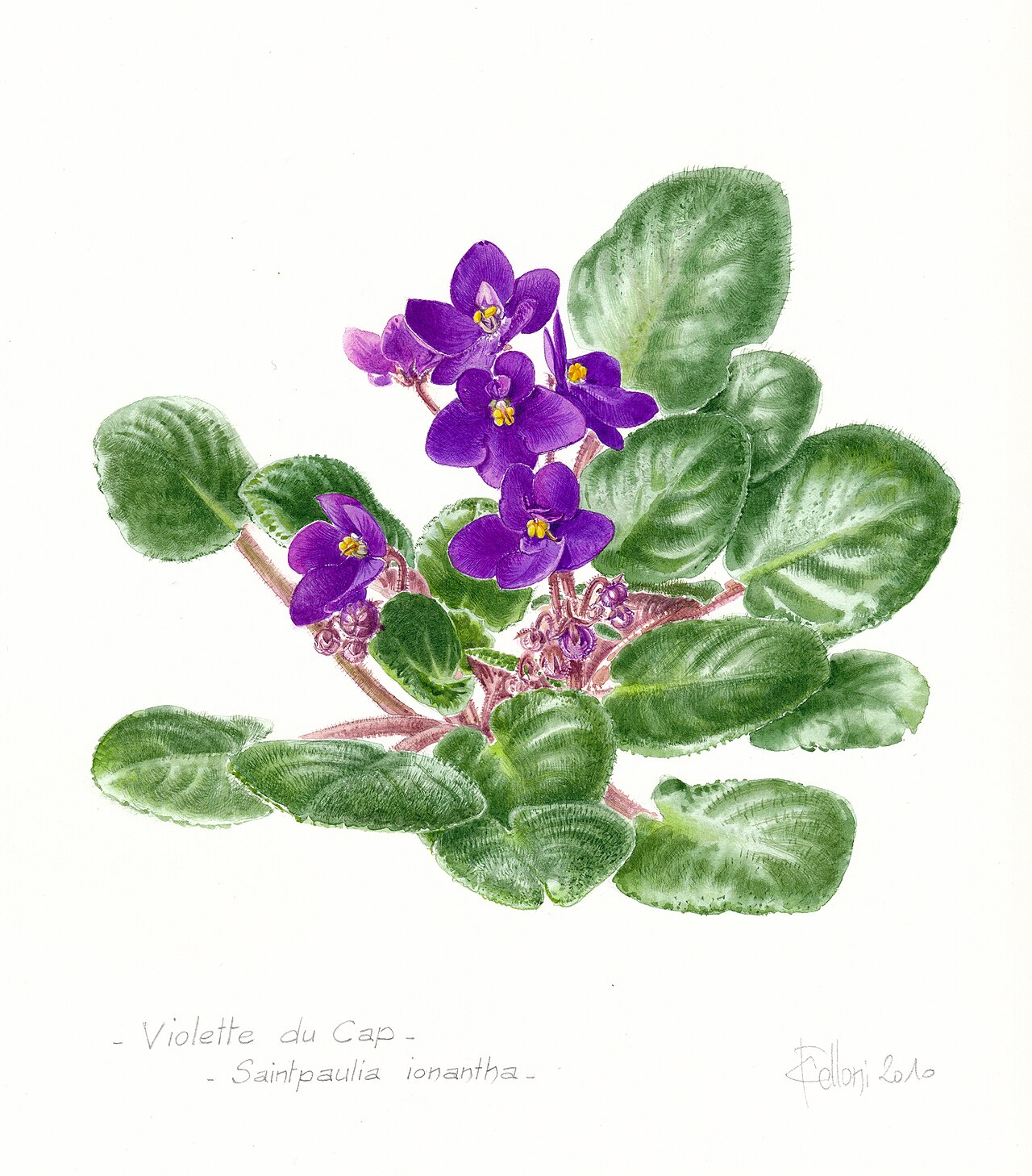
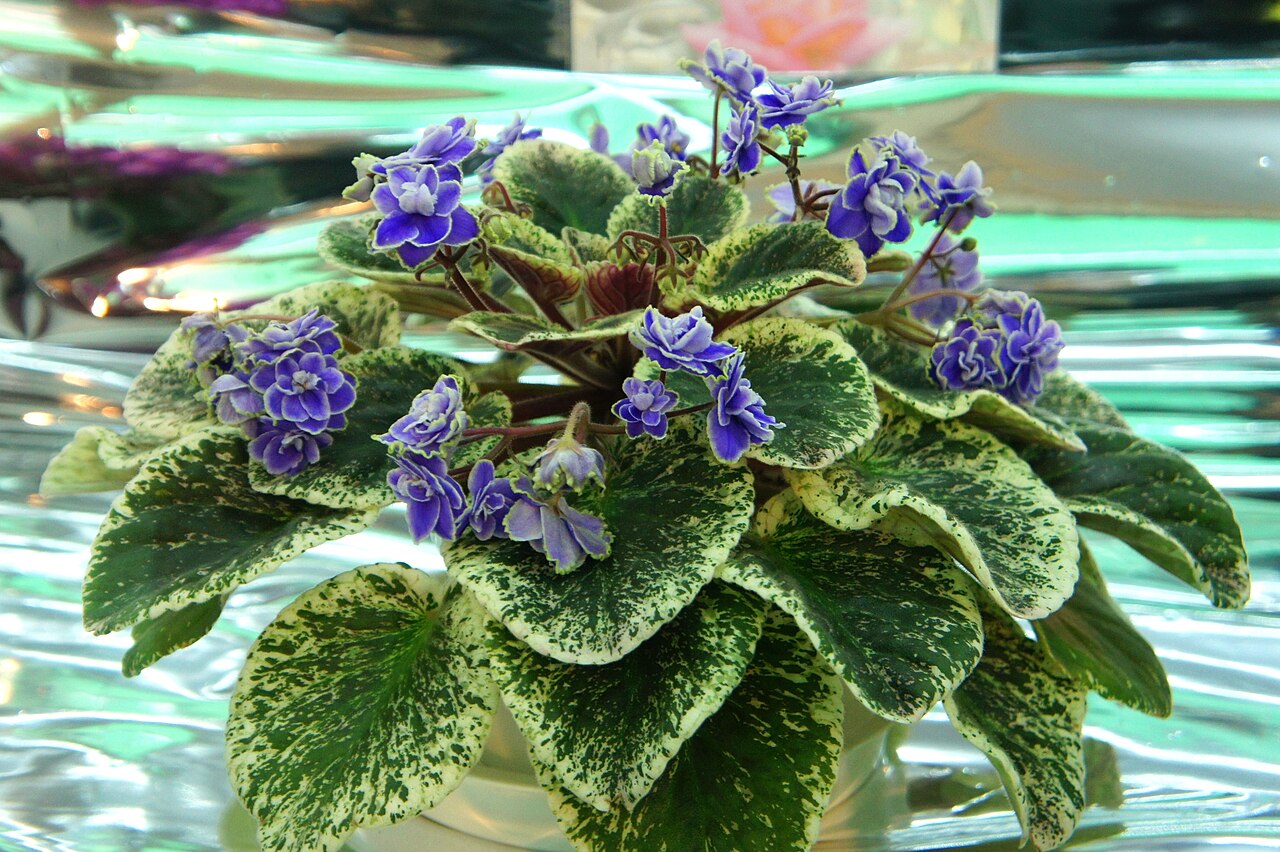
African violets (Saintpaulia, now often classified under Streptocarpus) are among the most rewarding flowering houseplants, producing clusters of velvety purple, pink, or white blooms above fuzzy, rounded leaves. With the right light and watering routine, a healthy plant can flower nearly year-round on a bright windowsill.
Light and Temperature
African violets need bright, indirect light to bloom well, but direct sun will scorch their fuzzy leaves. An east-facing windowsill that gets gentle morning sun is usually ideal, while a south- or west-facing window may need a sheer curtain to diffuse the light. If flowering slows in winter, a fluorescent or LED grow light positioned a foot or so above the foliage for around twelve hours a day can keep blooms coming. These plants also prefer warm, stable temperatures between roughly 65 and 75°F (18–24°C) and dislike cold drafts near windows or doors.
Watering and Humidity
Water is where most African violets run into trouble, since the fuzzy leaves are prone to unsightly spotting if cold water splashes on them. Water from the bottom by setting the pot in a saucer of room-temperature water for 20–30 minutes, or water carefully at the soil line avoiding the foliage entirely. Let the top of the soil dry slightly between waterings rather than keeping it constantly soggy, since the crown and roots rot easily in waterlogged soil. Average household humidity is generally sufficient, though a pebble tray beneath the pot can help in very dry rooms.
Soil and Fertilizing
A light, well-draining mix formulated specifically for African violets, or a blend of peat, perlite, and vermiculite, supports their fine root systems better than dense, heavy potting soil. Feed every two to four weeks during active growth with a balanced, water-soluble fertilizer diluted to about half the strength recommended on the label, since these plants are sensitive to fertilizer buildup. Reduce feeding in winter when growth naturally slows.
Common Problems
Pale, leggy growth with few flowers usually points to insufficient light, while crown rot and mushy stems typically result from overwatering or water sitting in the plant’s central crown. White powdery patches on leaves suggest powdery mildew, often caused by poor air circulation combined with high humidity, and can usually be managed by increasing airflow and avoiding wetting the foliage.
Propagation
African violets propagate readily from a single healthy leaf. Cut a leaf with an inch or two of stem attached, insert the stem into moist potting mix or water, and keep it warm and humid. Small plantlets will emerge from the base of the leaf after several weeks to a couple of months, and each can eventually be separated and potted individually once large enough to handle.
This article may contain affiliate links. If you purchase a product through one of these links, Plantgecko may earn a commission at no extra cost to you. This never influences our editorial independence or which products we recommend.