The Right Pot Size: Why Bigger Isn’t Always Better for Houseplants
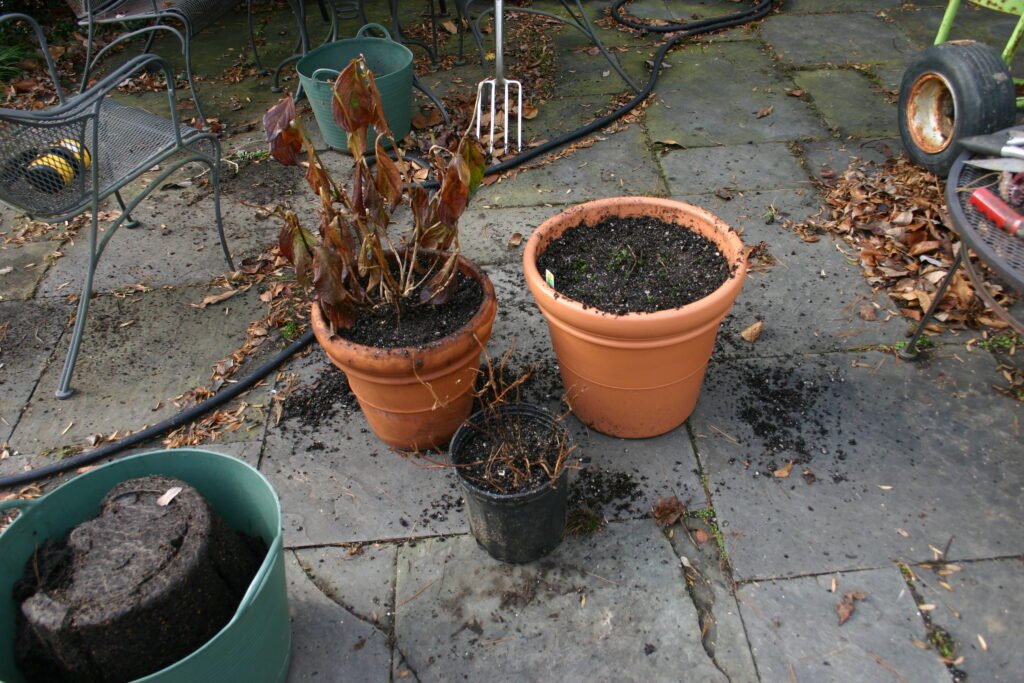
It’s tempting to think a houseplant will “grow into” a big pot, saving you the hassle of repotting again next year. In practice, an oversized container is one of the most common reasons houseplants decline, and it has nothing to do with root space being a bad thing in theory. The problem is what happens to the soil around those roots.
Why a Too-Big Pot Causes Trouble
Roots only take up water from the soil immediately around them. In a pot that’s much larger than the root ball, there’s a large volume of soil with no roots in it at all. That soil stays wet for far longer after watering, because nothing is drawing moisture out of it. Wet, oxygen-starved soil is exactly the environment that root-rotting fungi like Pythium and Phytophthora thrive in. The roots that are present sit in soggy, anaerobic conditions, suffocate, and begin to rot from the tips inward. By the time you notice yellowing leaves or a mushy stem base, the damage below the surface is often already extensive.
A too-large pot also throws off the balance between soil moisture and light. Because the excess soil holds water, growers often unconsciously water less frequently to compensate — which can lead to inconsistent, stressful swings between soggy and bone-dry rather than the steady moisture most plants prefer.
The Right-Sizing Rule of Thumb
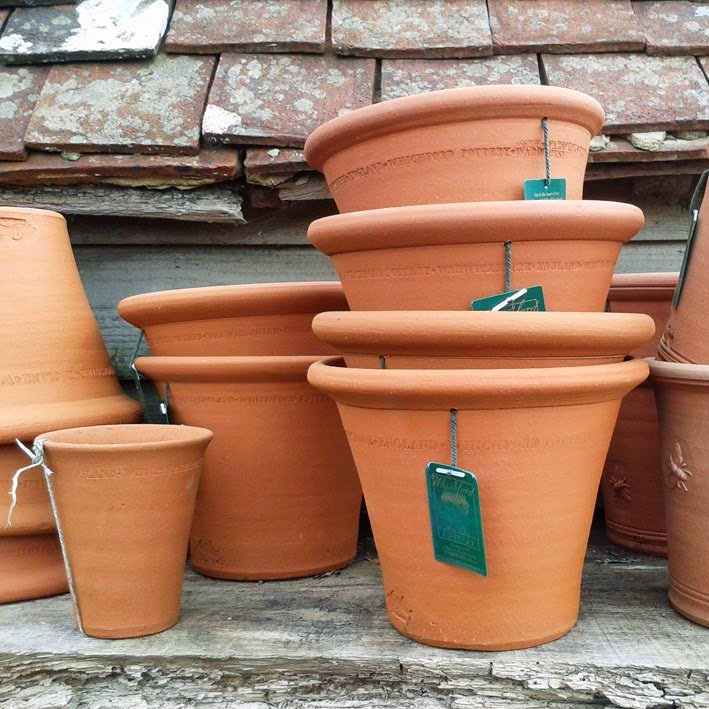
When you repot, size up gradually rather than jumping to the biggest pot you can find. A good general rule is to choose a new container that is only 1 to 2 inches larger in diameter than the current one. For a plant in a 6-inch pot, that means moving to an 8-inch pot at most — not a 12-inch one. This gives the roots a modest amount of new soil to grow into without leaving large pockets of unused, waterlogged soil.
- Slow-growing plants (snake plant, ZZ plant, cacti) can often go two or more years between repottings and may only need a slight size increase each time.
- Fast growers (pothos, philodendron, spider plant) may need repotting yearly, but still only one size up.
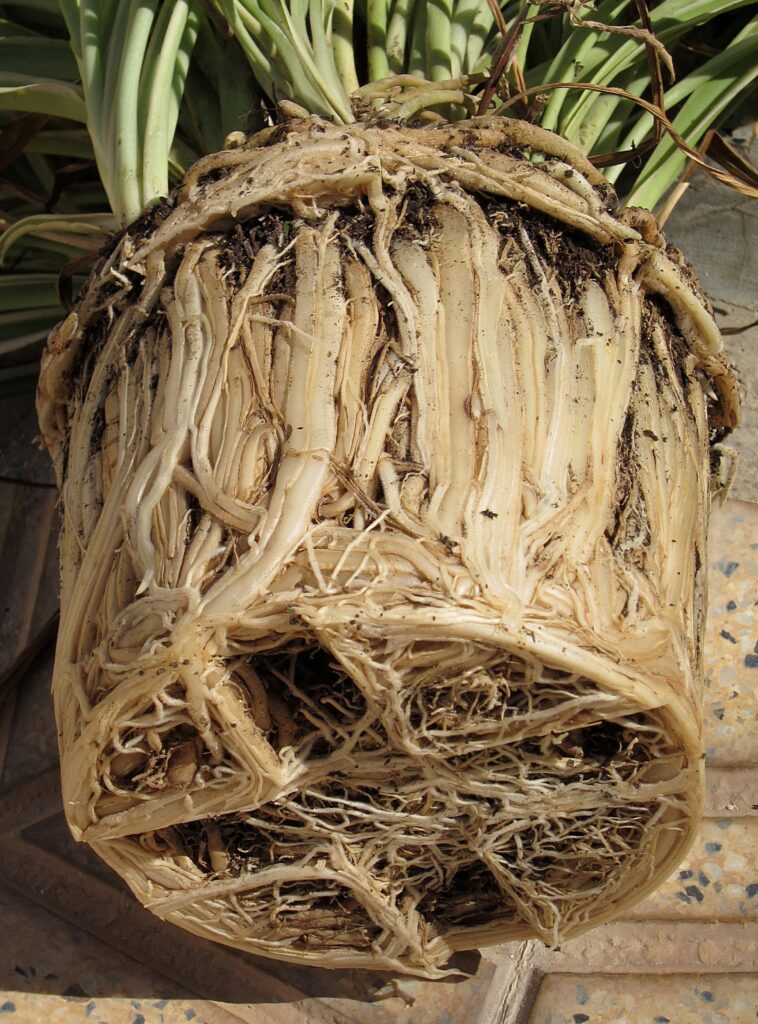
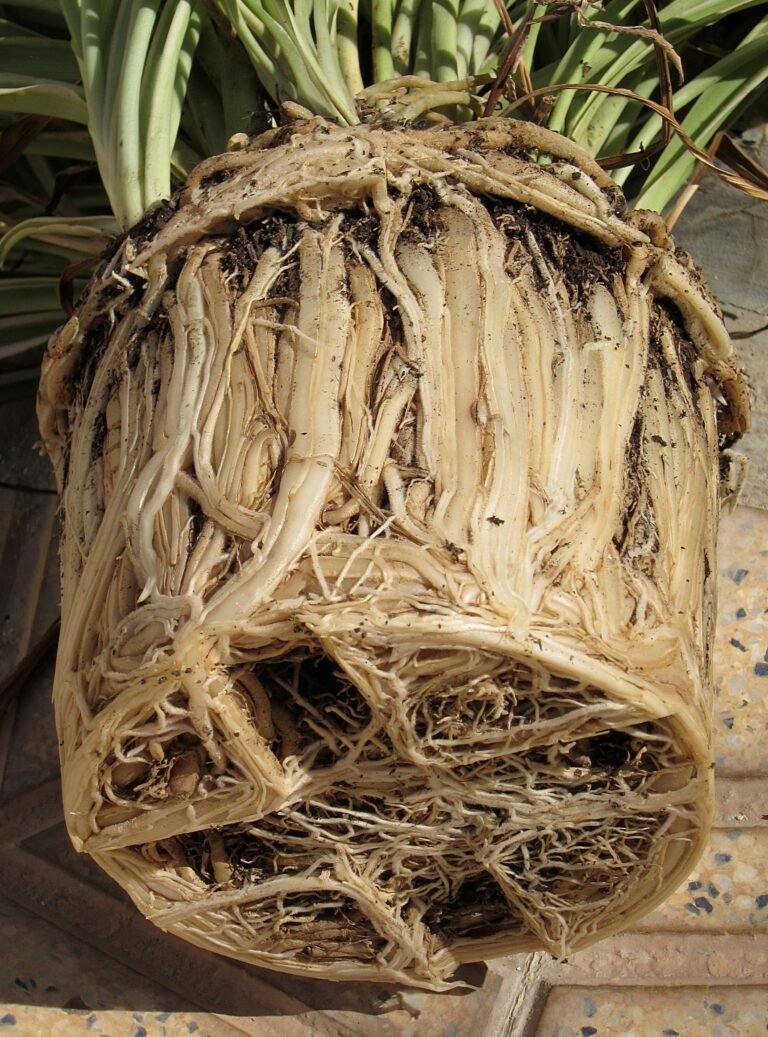
- If a plant is root-bound and you simply want to refresh the soil rather than encourage more growth, you can repot into the same size pot after teasing out and trimming the roots.
Signs Your Pot Is Too Big
If a plant seems to need watering less and less often, but the leaves are yellowing, drooping, or developing dark, mushy patches at the base, an oversized pot combined with overwatering is a common culprit. Sticking a finger or a wooden skewer into the soil is a reliable check — if it comes out wet or with clinging soil several inches down, days after your last watering, the soil is staying wet longer than the roots can use.
If you’ve already potted a plant into something too large, you don’t necessarily need to repot immediately. Cutting back on watering frequency, ensuring the pot has drainage holes, and using a fast-draining mix (with extra perlite or orchid bark) can help offset the excess soil volume until it’s time for the next repot.
Drainage Matters as Much as Size
Pot size and drainage work together. A well-sized pot with no drainage hole can still waterlog, while a slightly larger pot with excellent drainage and a chunky, airy potting mix is more forgiving. Always choose containers with drainage holes, and if you love a decorative pot without one, use it as a cachepot and keep the plant in a plastic nursery pot with holes inside it. Bigger isn’t better — better is a pot that matches the current root system, drains freely, and lets you water on a rhythm the roots can actually keep up with.
This article may contain affiliate links. If you purchase a product through one of these links, Plantgecko may earn a commission at no extra cost to you. This never influences our editorial independence or which products we recommend.
One Comment