Spotting Nutrient Deficiencies in Plants – Common Symptoms and Quick Fixes
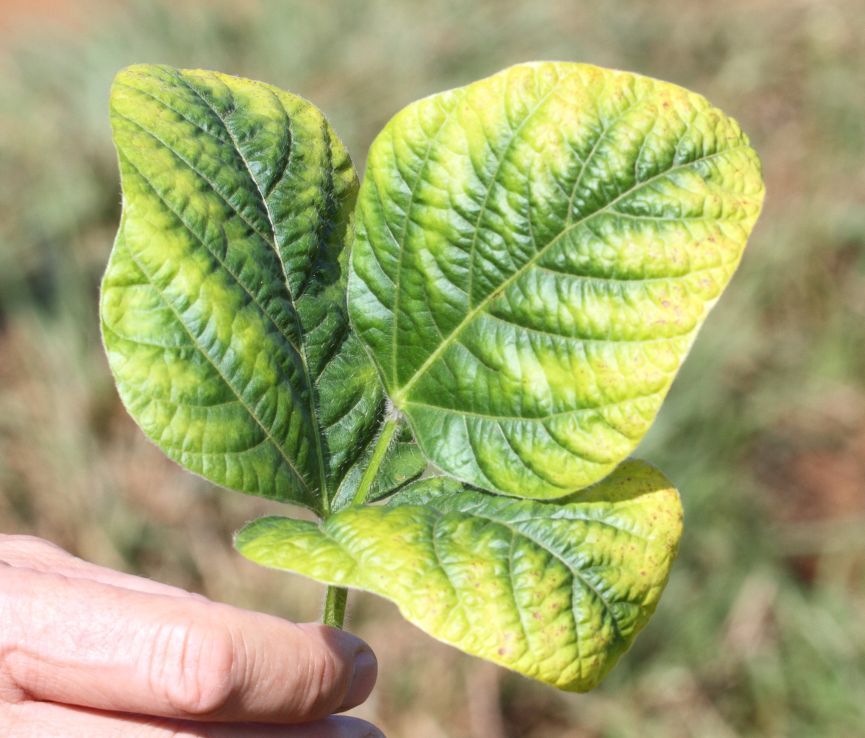
Yellow leaves, brown edges, or stunted growth? A nutrient deficiency is often the culprit. Learn to read your plant’s signals correctly and you can act quickly — before serious damage sets in.
Nitrogen Deficiency (N) – The Plant Turns Pale
Nitrogen powers plant growth. When it runs short, the older leaves turn evenly pale green to yellow first, and eventually the whole plant follows. Growth stalls. Nitrogen washes out of the soil quickly, so deficiencies often show up in plants that haven’t been repotted in a while. Fix: a nitrogen-rich fertilizer — horn shavings or an NPK fertilizer with a high nitrogen content work wonders.
Potassium Deficiency (K) – Brown Leaf Edges
Typical symptom: the leaf tips and edges turn brown and die off, and the plant looks wilted even though the soil is moist. Potassium regulates water balance, so a deficiency causes the plant to dry out from within. Flowering plants in particular need plenty of potassium — fertilizers formulated for flowering plants usually contain extra potassium for this reason.
Iron Deficiency (Fe) – Chlorosis on Young Leaves
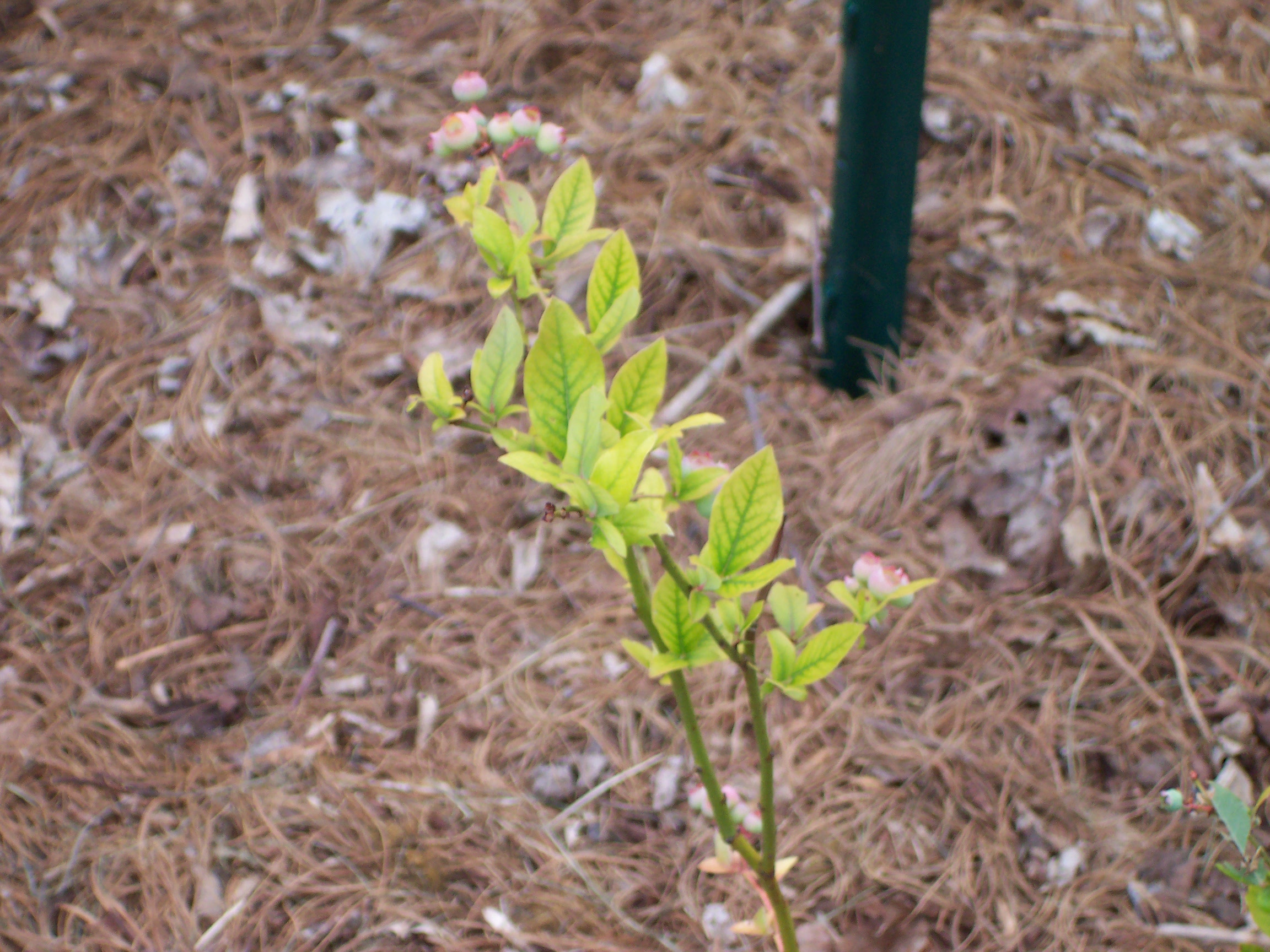
With iron deficiency, the young leaves turn yellow while the veins stay green — a clear way to tell it apart from nitrogen deficiency. The cause is often a substrate pH that’s too high, or watering with hard, lime-rich water. Remedy: use a chelated iron fertilizer and switch to rainwater for watering.
Magnesium Deficiency (Mg) – Blotchy Discoloration
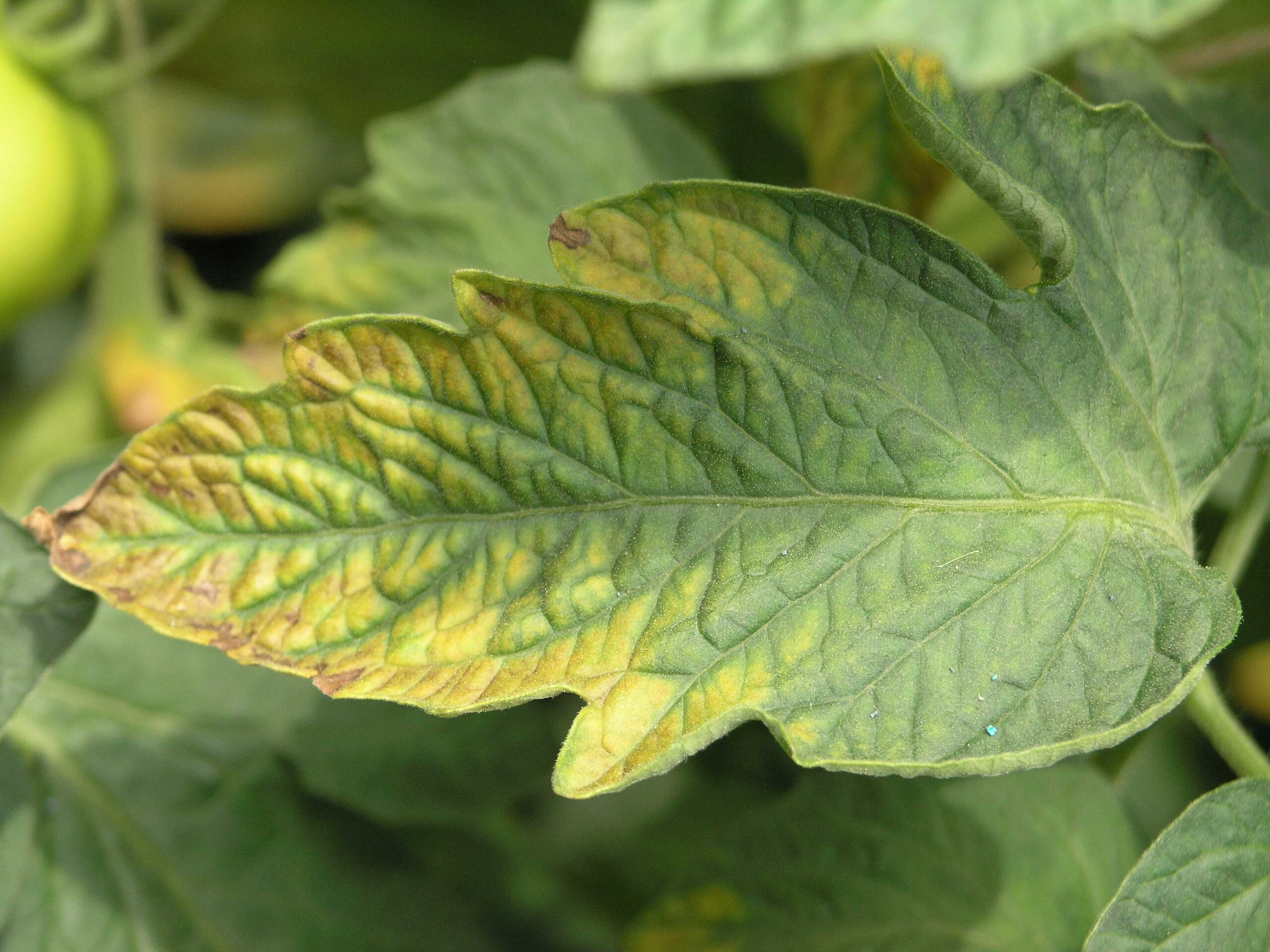
Yellow spots between the leaf veins, usually on older leaves, point to a magnesium deficiency. A teaspoon of Epsom salt (magnesium sulfate) added to the watering can often works within a few days. For long-term prevention, a complete fertilizer containing trace elements is the best bet.