How to Create a Balcony Garden from Scratch
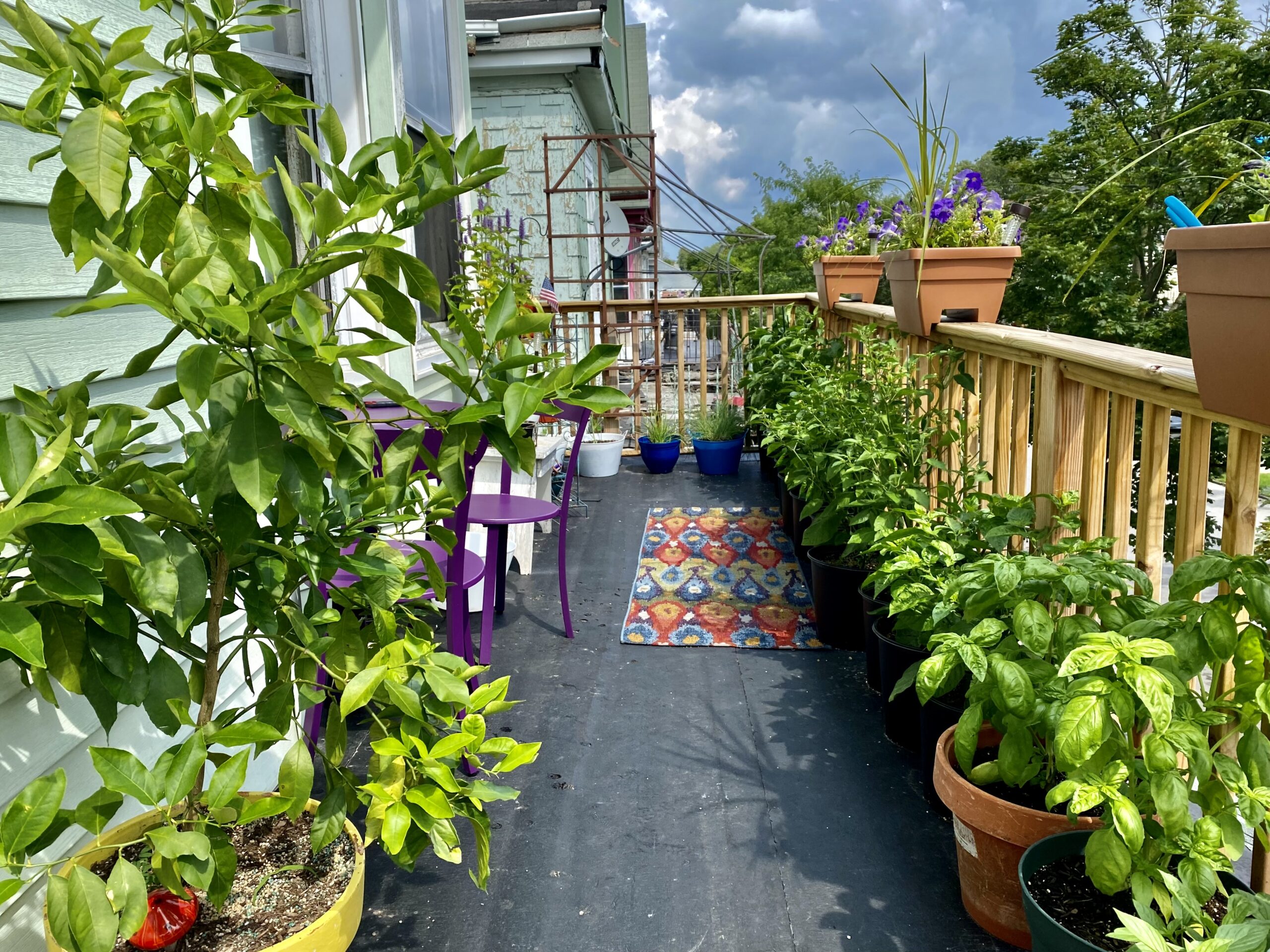
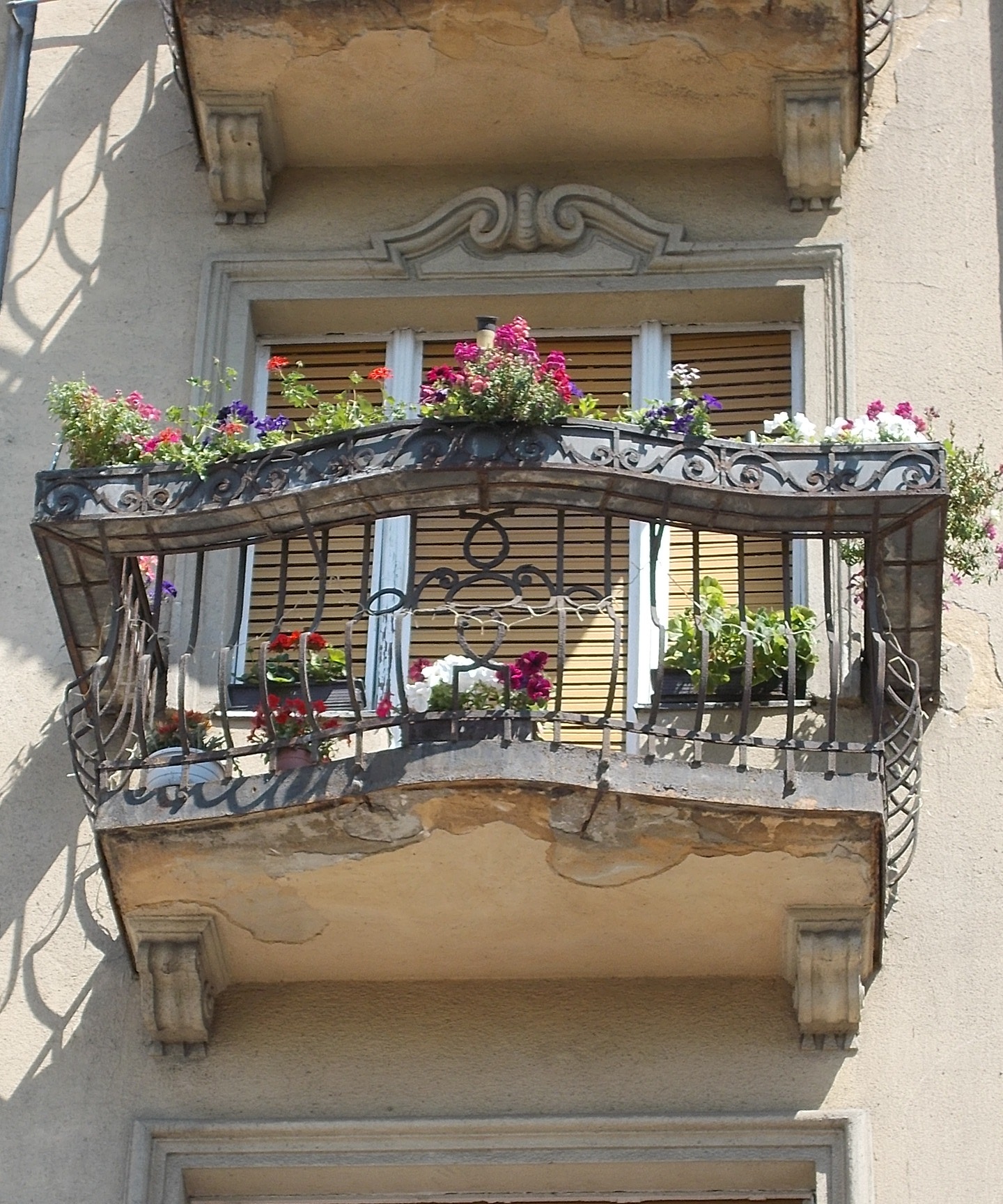
A balcony can become a genuinely productive and beautiful garden space with the right planning, even if it’s small or partly shaded. The main differences from ground-level gardening are weight, wind, and drainage — balconies are exposed, structurally limited, and everything has to live in a container. Here’s how to set one up properly from day one.
Assess Your Sun Exposure
Spend a day (or a few) tracking how much direct sun your balcony actually gets, and in which hours. South-facing balconies typically get full sun and suit tomatoes, peppers, herbs like rosemary and thyme, and most flowering annuals. East-facing balconies get gentler morning sun, which suits leafy greens, many herbs, and shade-tolerant flowers. North-facing balconies receive little direct sun and are best for ferns, hostas, and other shade-loving foliage plants. Matching plants to your actual light conditions from the start prevents most early failures.
Choose Containers with Real Drainage
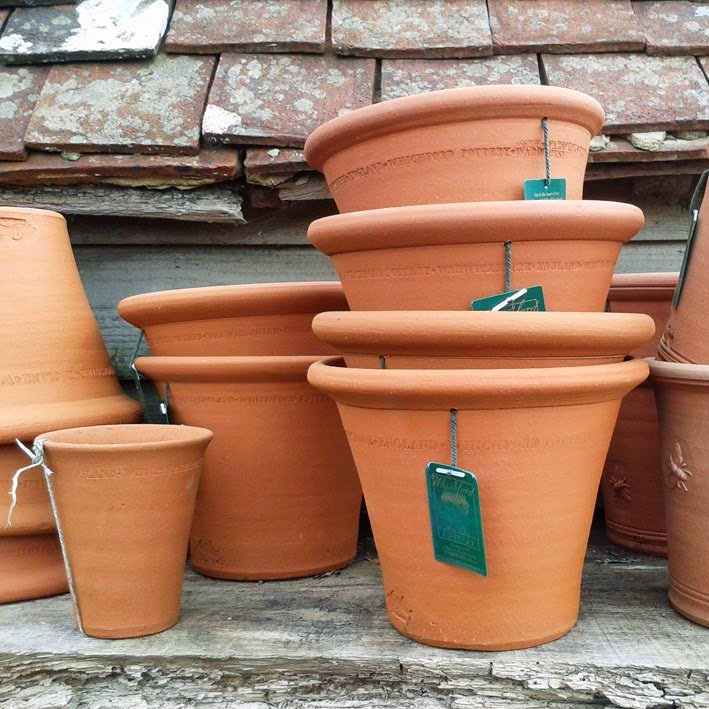
Every container needs drainage holes — without them, water pools at the bottom and roots rot regardless of how careful you are with watering. Use saucers to catch runoff so water doesn’t drip onto neighbors or the balcony below. Lightweight materials like fiberglass, resin, or high-quality plastic are usually better choices than heavy terracotta or ceramic, especially for upper-floor balconies where structural weight limits matter.
Account for Weight and Wind
Wet potting soil is heavy, and most residential balconies have a load limit — check with your building or landlord if you’re planning several large containers. Distribute pots along the perimeter near load-bearing walls rather than clustering them in the center. Elevated balconies are also windier than ground level, which dries out soil faster and can topple tall or top-heavy plants. Choose squat, wide-based pots for anything tall, and consider anchoring larger containers or grouping them together for stability.
Good Starter Plants
- Herbs: rosemary, thyme, and oregano tolerate wind and dry spells well; basil and mint prefer more consistent moisture
- Vegetables: cherry tomatoes, peppers, and bush beans do well in large containers with full sun
- Flowers: petunias, geraniums, and marigolds are tough, long-blooming, and drought-tolerant
- Shade options: ferns, begonias, and impatiens for balconies with limited direct sun
Make Use of Vertical Space
Balcony floor space is usually limited, so build upward. Railing planters let you grow herbs or trailing flowers without using any floor area at all. A trellis or set of wall-mounted hooks supports climbing plants like beans, peas, or flowering vines such as clematis. Tiered plant stands add growing area in layers and also help separate sun-loving plants from shade-tolerant ones at different heights.
Soil and Watering Logistics
Never use garden soil in containers — it compacts and drains poorly. Use a quality potting mix, and for vegetables or heavy feeders, one blended for containers with added compost. Because pots dry out faster than garden beds, especially in wind and summer heat, check moisture daily in hot weather; a self-watering container or a simple drip irrigation kit on a timer can be worth the investment if you’re often away or have many pots. Group plants with similar watering needs together so you’re not overwatering the drought-tolerant ones to keep the thirsty ones alive.
Start small with four or five pots suited to your actual light and wind conditions, get a feel for how quickly they dry out, and expand from there. A balcony garden that’s well-matched to its environment needs far less troubleshooting than one planted on impulse.