Pot Size and Drainage: How to Avoid Waterlogging in Houseplants
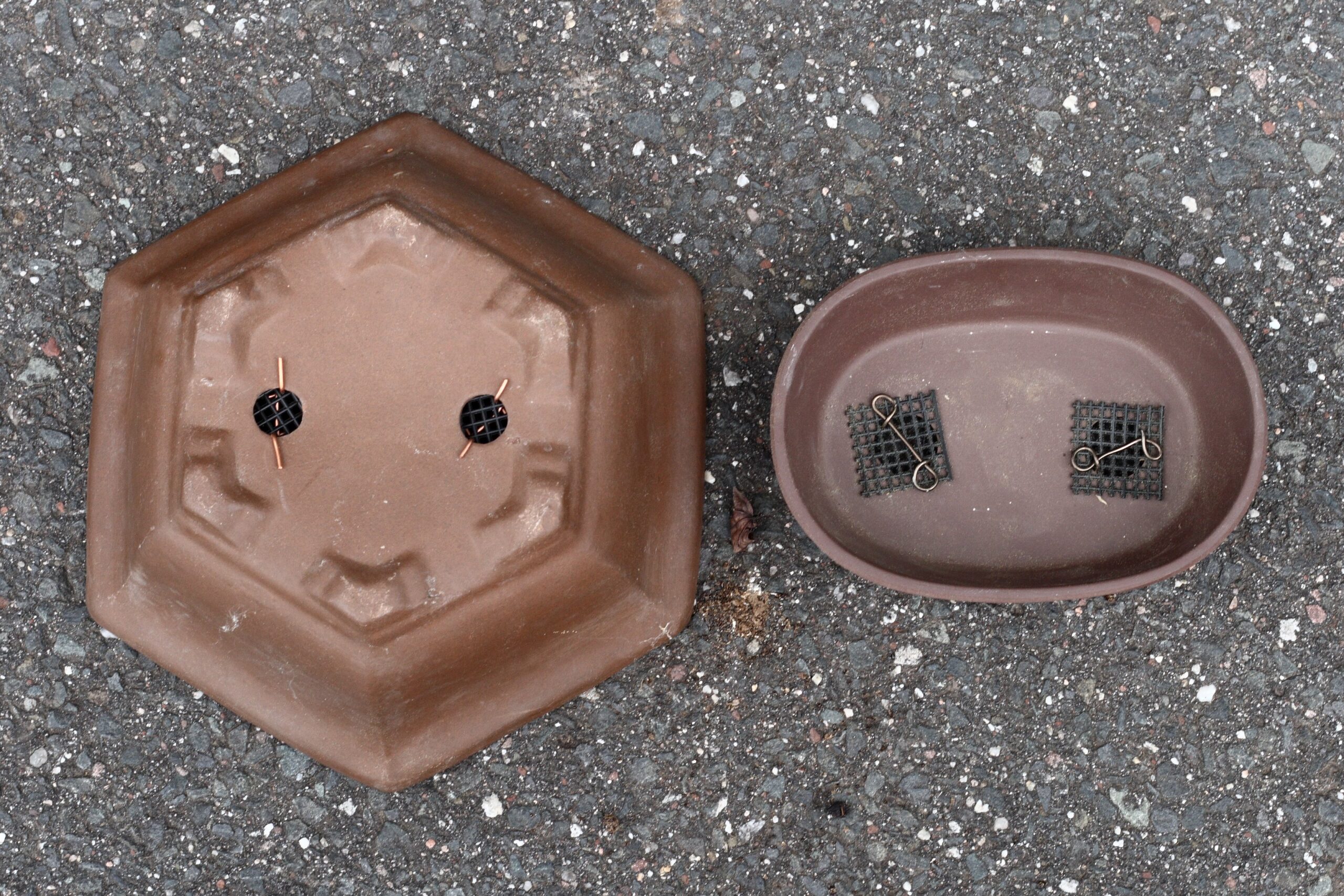
The right pot size and good drainage are two of the most important factors for healthy plants — and two of the most commonly underestimated. In this article, you’ll learn what matters when it comes to pot size and drainage, and how to effectively avoid waterlogging.
The Right Pot Size: Not Too Big, Not Too Small
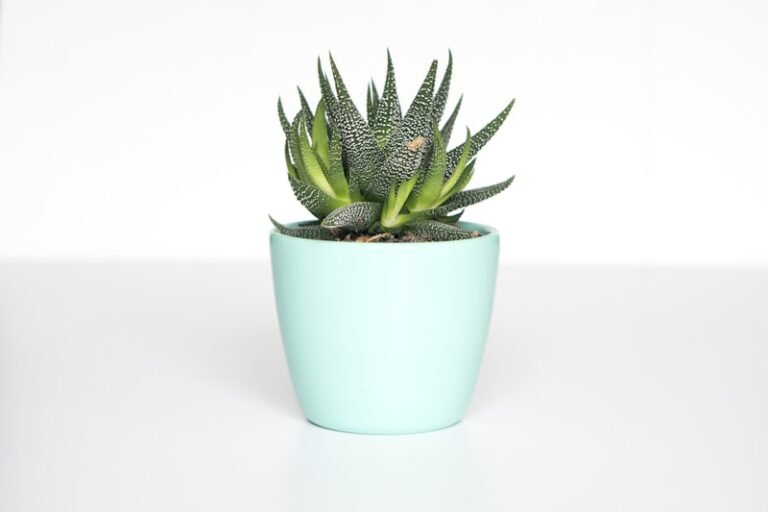
When repotting, many people tend to choose a noticeably bigger pot, on the theory that “the plant will grow into it.” That’s a mistake! The new pot should only be 2–3 cm larger in diameter than the old one.
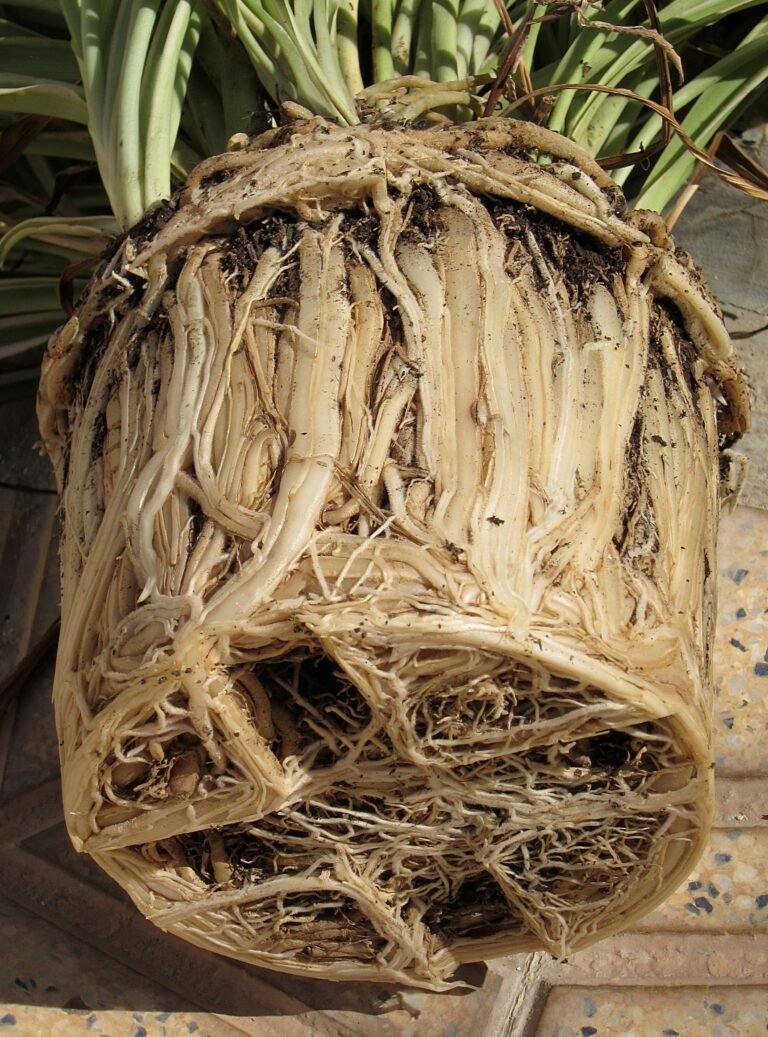
Why an oversized pot is harmful: In an overly large pot, the soil holds far more water than the roots can actually reach. The soil stays wet for too long, the roots get too little oxygen, and root rot is encouraged. What’s more, the plant channels its energy into root growth instead of leaves — so nothing visible happens above ground for months.
Pot Size Guide
- Young plants with 2–4 leaves: pot with an 8–10 cm diameter
- Small to medium houseplants: pot with a 12–18 cm diameter
- Large houseplants (Monstera, rubber plant): pot with a 20–30 cm diameter
- Very large container plants: pot with a 30–50 cm diameter
As a rule of thumb, the pot should be about one-third the diameter of the plant — so a plant with a 60 cm leaf spread needs a pot of roughly 20 cm.
Materials Compared
| Material | Advantages | Disadvantages |
|---|---|---|
| Clay/Terracotta | Breathable, releases moisture through evaporation | Dries out faster, heavy, fragile |
| Plastic | Lightweight, inexpensive, retains moisture | Traps heat, no breathability |
| Ceramic (glazed) | Attractive, sturdy, versatile | Expensive, heavy, poor breathability |
| Metal | Modern design, durable | Can rust, heats up in sun |
| Wood | Natural, breathable | Rots over time |
Drainage: Life Insurance for Your Plants
Waterlogging is the most common reason houseplants die. Good drainage prevents water from pooling in the pot and rotting the roots. Ideal drainage consists of three components:
1. Drainage Holes
Every pot needs at least one drainage hole in the bottom — ideally several. Without holes, excess water can’t drain away. Do you have a decorative outer pot without holes? Then place the plant in an inner pot with holes and set that inside the outer pot.
2. Drainage Layer
Add a 2–4 cm layer of expanded clay pebbles, gravel, or broken pottery shards to the bottom of the pot. This layer keeps the roots from sitting permanently in water. A water-permeable fleece between the drainage layer and the soil keeps the substrate in place.
3. Well-Draining Substrate
Mix a generous amount of perlite, pumice, or sand into the potting soil (about 20–30%). This improves drainage and helps prevent compaction — especially important in large pots and deep containers!
Self-Watering Pots: The Smart Alternative
Self-watering pots have a built-in water reservoir and a wicking system that continuously delivers moisture to the soil from below. They take the guesswork out of how much water to give — the plant simply draws what it needs.
Advantages:
- No over- or under-watering — the plant regulates itself
- Perfect for vacations — water supply lasts 1–2 weeks
- Consistent moisture — ideal for tropical plants
The Most Important Tips at a Glance
- Choose a new pot only 2–3 cm larger than the old one.
- Always use pots with drainage holes.
- A drainage layer of expanded clay at the bottom of the pot is a must.
- Loosen the soil with perlite or sand for better drainage.
- Empty any water left in the saucer after 30 minutes.
- When in doubt, use a moisture meter.
With the right pot size and good drainage, you create the perfect conditions for healthy, strong roots — and thriving plants all around!
This article may contain affiliate links. If you purchase a product through one of these links, Plantgecko may earn a commission at no extra cost to you. This never influences our editorial independence or which products we recommend.