When Is the Right Time to Repot? The 5 Unmistakable Signs
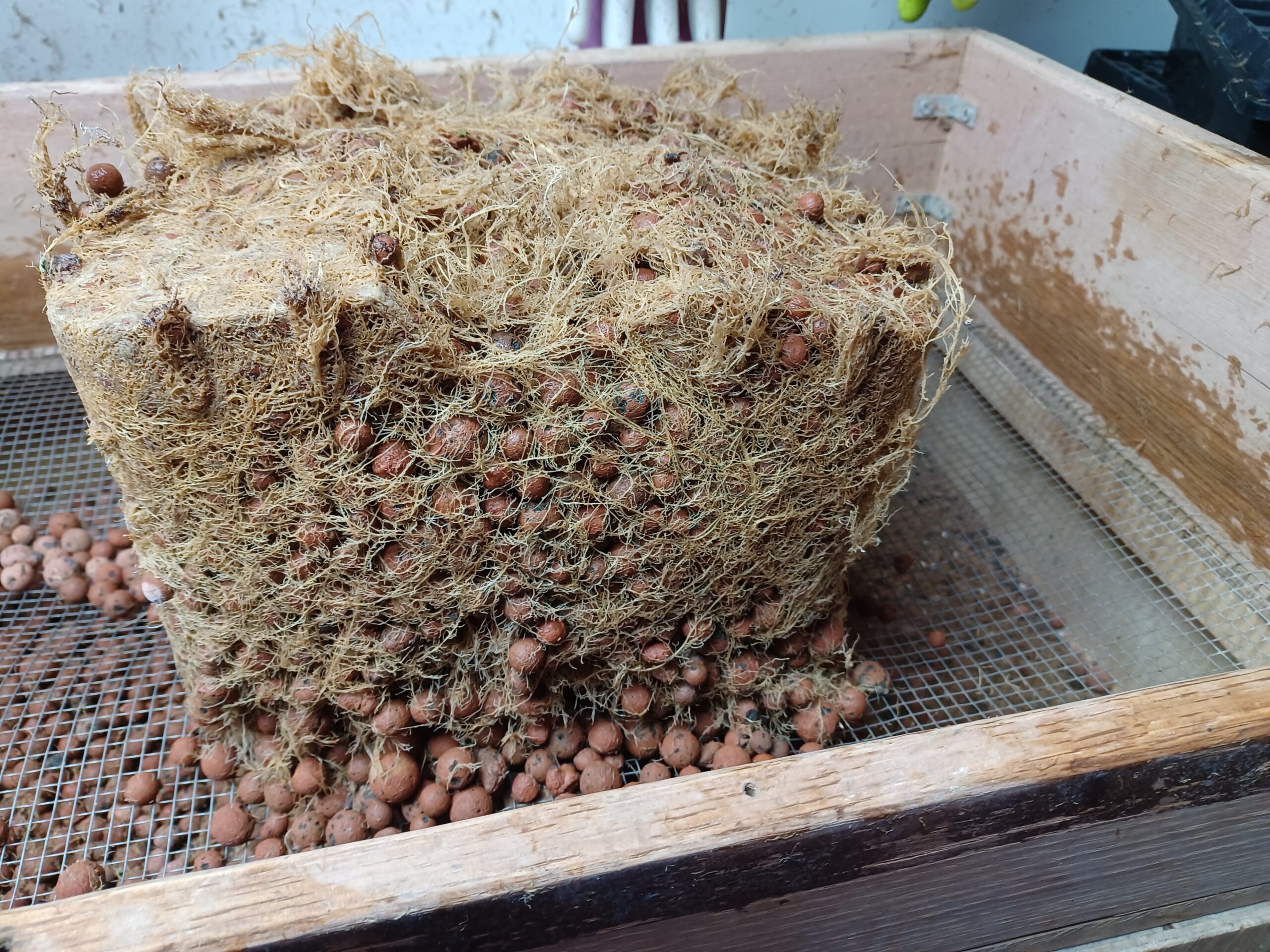
Repotting too early wastes effort and can stress a plant unnecessarily, while repotting too late leaves roots cramped and starved of nutrients. Here are the five clearest signs that a houseplant has genuinely outgrown its container.
1. Roots Circling the Pot or Growing Through the Drainage Holes
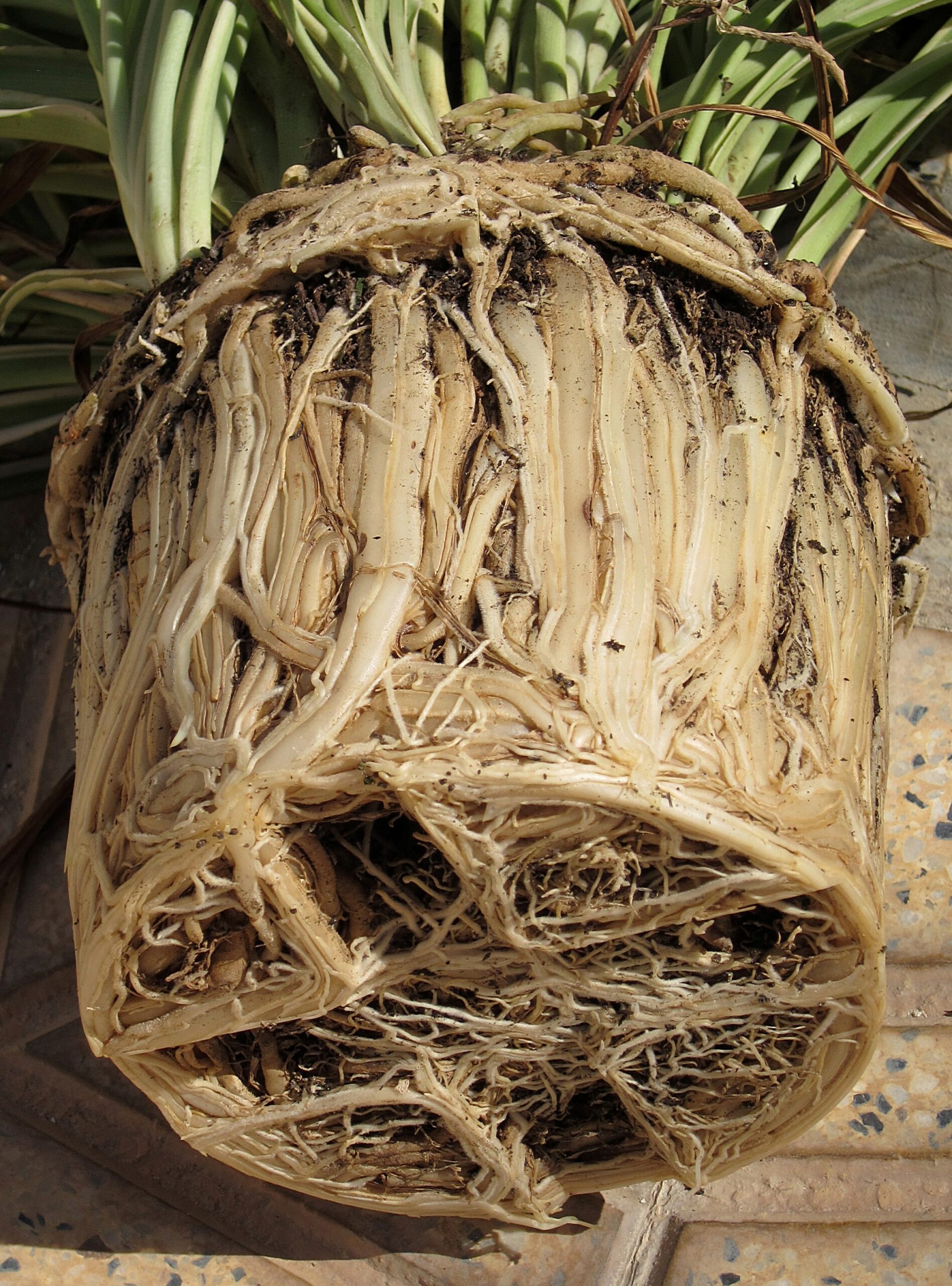
Gently slide the plant out of its pot and look at the root ball. If roots are wrapped tightly around the outside in a spiral pattern, or you see them poking out through the drainage holes at the bottom, the plant has run out of room to grow. Left unaddressed, circling roots can eventually girdle themselves, restricting their own water and nutrient flow.
2. Water Runs Straight Through Without Being Absorbed
When a pot becomes so root-bound that there’s more root mass than soil, water has nowhere to go and runs straight down the inside edge of the pot and out the bottom almost immediately, without properly soaking the root zone. If you notice you’re watering more often just to keep the plant from wilting, a cramped root system is often the real cause rather than the season or the soil.
3. Growth Has Stalled Despite Good Care
If a plant that was previously growing well suddenly stops producing new leaves, or new leaves come in noticeably smaller than before, and you’ve ruled out light, water, and pest problems, a depleted or cramped pot is a likely culprit. Potting mix breaks down and compacts over one to two years, losing its structure and nutrient content even without a change in pot size.
4. The Plant Has Become Top-Heavy or Unstable
When a plant’s canopy has grown large relative to its pot, it can tip over easily or lean noticeably to one side. This usually means the root system, and the pot supporting it, simply can’t anchor the amount of growth above it anymore, and sizing up the container will restore stability as well as give roots room to expand.
5. A Crust of Mineral Salts on the Soil Surface or Pot Rim
A white or yellowish crust on top of the soil or around the rim of the pot is a buildup of mineral and fertilizer salts that have accumulated over months or years. While flushing the soil with plenty of water can help temporarily, heavy, long-term buildup is a sign that the soil itself needs to be replaced rather than repeatedly rinsed.
What to Do Next
If you notice one or more of these signs, plan to repot during the plant’s active growing season (typically spring or early summer) when it can recover from the disturbance fastest. Most healthy houseplants need repotting only every one to two years — more frequent disturbance can actually do more harm than good, so check for these specific signs rather than repotting on a fixed schedule alone.