Growing Parsley on the Balcony: A Guide to Success in Pots
Introduction
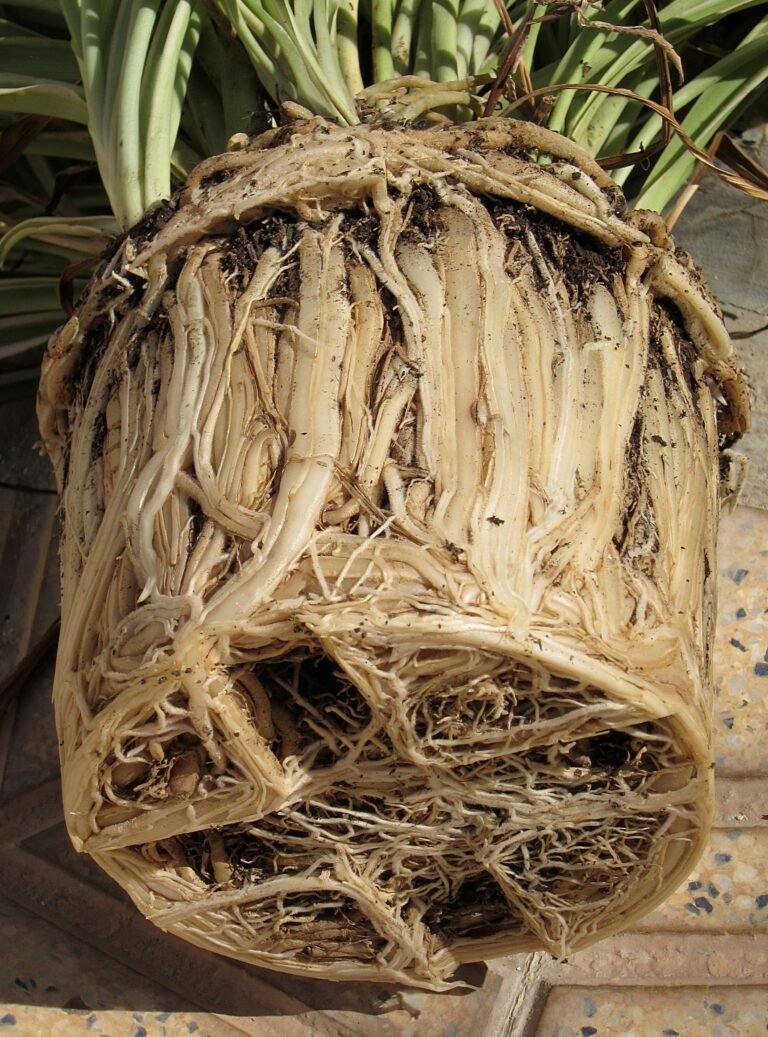
Photo: H. Zell (CC BY-SA 3.0, Wikimedia Commons)
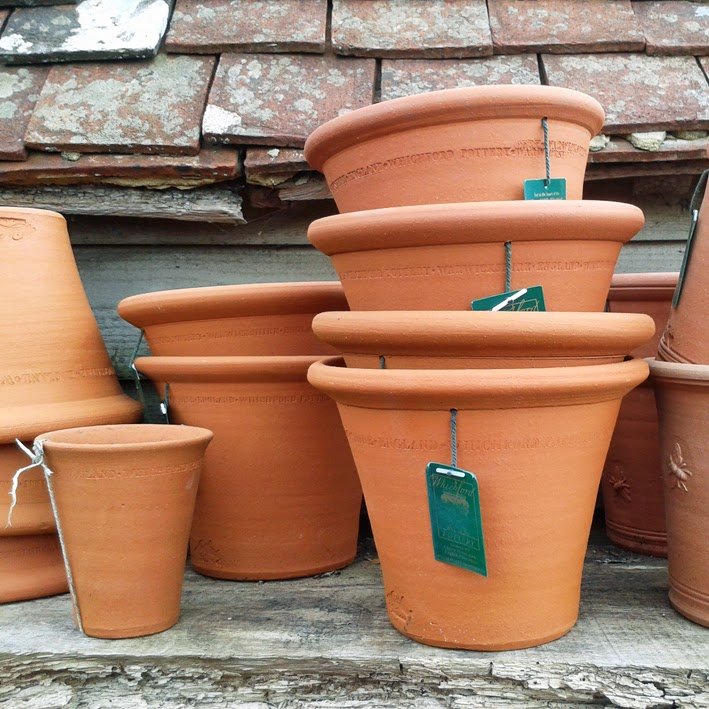
Photo: Maurocatanese86 (CC BY-SA 4.0, Wikimedia Commons)
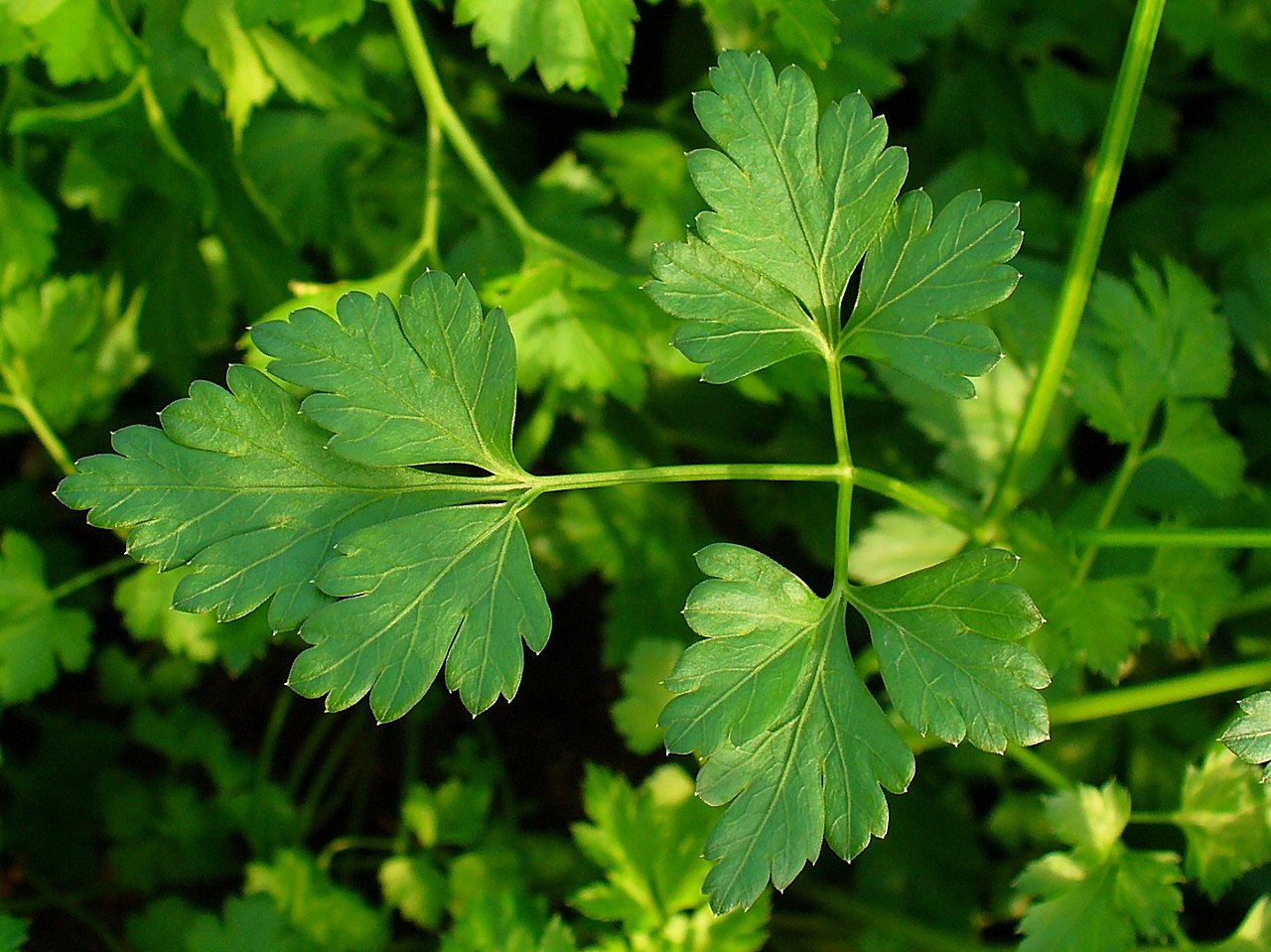
Photo: Salicyna (CC BY-SA 4.0, Wikimedia Commons)
Why Parsley Thrives in Pots
Parsley (Petroselinum crispum) is one of the easiest herbs to grow on a balcony, patio, or windowsill. As a biennial usually grown as an annual for its leaves, it tolerates part shade better than most culinary herbs and rewards steady care with months of fresh, flavorful harvests. Both curly and flat-leaf (Italian) varieties do equally well in containers, so choose whichever suits your cooking.
Who This Is For
Choosing a Pot and Soil
Parsley develops a long taproot, so pick a container at least 20-25 cm (8-10 inches) deep with drainage holes. A pot 25-30 cm wide comfortably supports several plants. Use a loose, well-draining potting mix enriched with compost; parsley likes fertile soil with a slightly acidic to neutral pH (around 6.0-7.0) and does not tolerate waterlogging.
Buying Criteria
Light, Water, and Feeding
Light: At least 4-6 hours of sun daily, though parsley appreciates afternoon shade in hot climates and will grow, just more slowly, in bright partial shade.
Water: Keep the soil evenly moist but never soggy. Containers dry out quickly, so check daily in summer and water whenever the top centimeter of soil feels dry.
Product/Option Categories
Feeding: Mix compost into the soil at planting, then feed lightly every 4-6 weeks with a balanced, diluted liquid fertilizer. Overfeeding with nitrogen produces lush leaves but weaker flavor.
Starting From Seed or Transplants
Parsley seed is notoriously slow to germinate, often taking three to four weeks. Soaking seeds overnight in warm water can speed things up slightly. Sow seeds about 6 mm deep and keep the soil consistently moist until sprouts appear, then thin seedlings to 15-20 cm apart. For quicker results, nursery-grown starts can be transplanted directly into the pot and will produce harvestable leaves within a few weeks.
Trade-offs
Harvesting for Continuous Growth
Harvest outer stems first, cutting them near the base rather than trimming leaf tips. This encourages the plant to keep producing new growth from the center. Avoid stripping more than a third of the plant at once. Regular harvesting, in fact, keeps parsley more productive than leaving it untouched.
Disclosure
This article may contain affiliate links. If you purchase a product through one of these links, Plantgecko may earn a commission at no extra cost to you. This never influences our editorial independence or which products we recommend.
| Product | Best For | Price | |
|---|---|---|---|
| potting mix | Top Pick | Check price | View |
| liquid fertilizer | Budget Alternative | Check price | View |
Recommendation Framework
Common Problems
Yellowing leaves: Usually a sign of overwatering, poor drainage, or nitrogen deficiency.
Bolting (flowering): Triggered by prolonged heat or the plant’s second-year growth cycle; leaves turn bitter afterward, so it’s best to start new plants each season.
Conclusion
Pests: Watch for aphids and parsley worms (swallowtail caterpillars); both are usually manageable by hand-picking or a strong spray of water.
With a deep enough pot, consistent moisture, and regular harvesting, parsley will supply fresh herbs for salads, garnishes, and cooking all season long, even in a small balcony garden.