Drainage for Houseplants: Why Expanded Clay, Gravel, and More Are a Matter of Life and Death
Waterlogging is the number one cause of death for houseplants — ahead of pests or lack of light. Good drainage is therefore not an optional extra, but an absolute must. But what exactly does drainage do, which material works best, and are there situations where you can skip it?
What Drainage Does
A drainage layer at the bottom of the pot ensures that excess water drains quickly away from the root zone instead of pooling. Without drainage, the bottom layer of soil sits in water almost constantly, oxygen levels drop, and root rot becomes almost inevitable. Drainage also keeps the drainage hole from getting clogged with soil.
The Best Drainage Materials
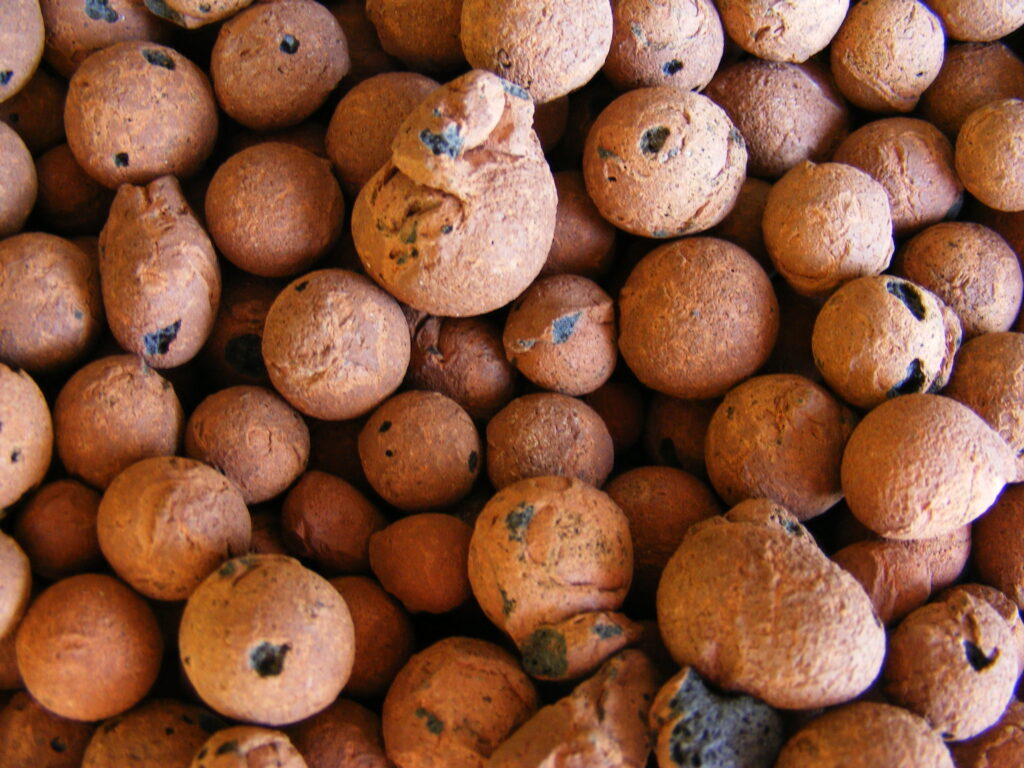
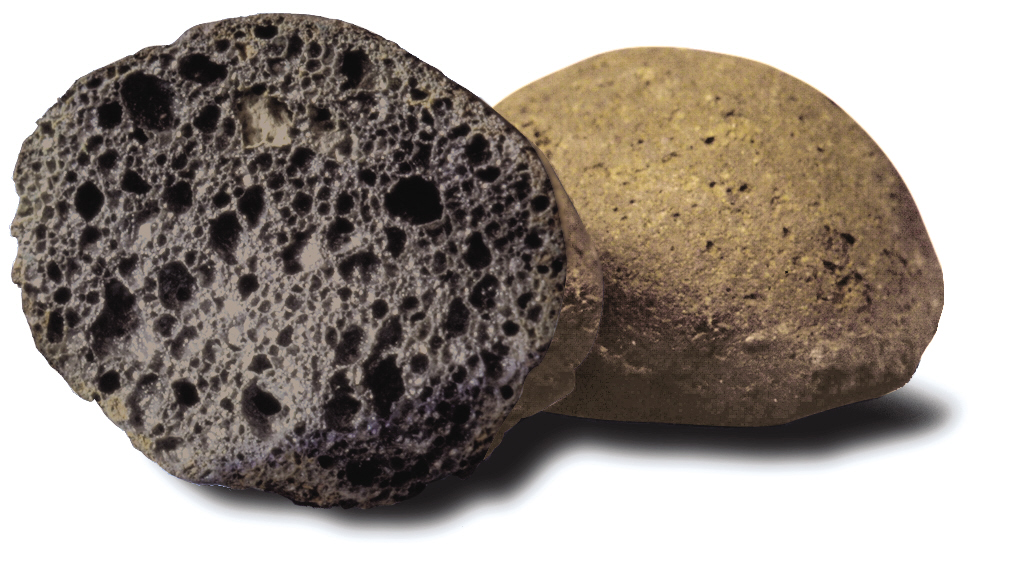
- Expanded clay (LECA): The top choice for houseplants. Lightweight, porous, chemically neutral, and it also retains a bit of moisture. The round pellets are reusable and inexpensive.
- Gravel or grit: Heavier than expanded clay, which adds stability for large, top-heavy plants. Downside: more weight to carry.
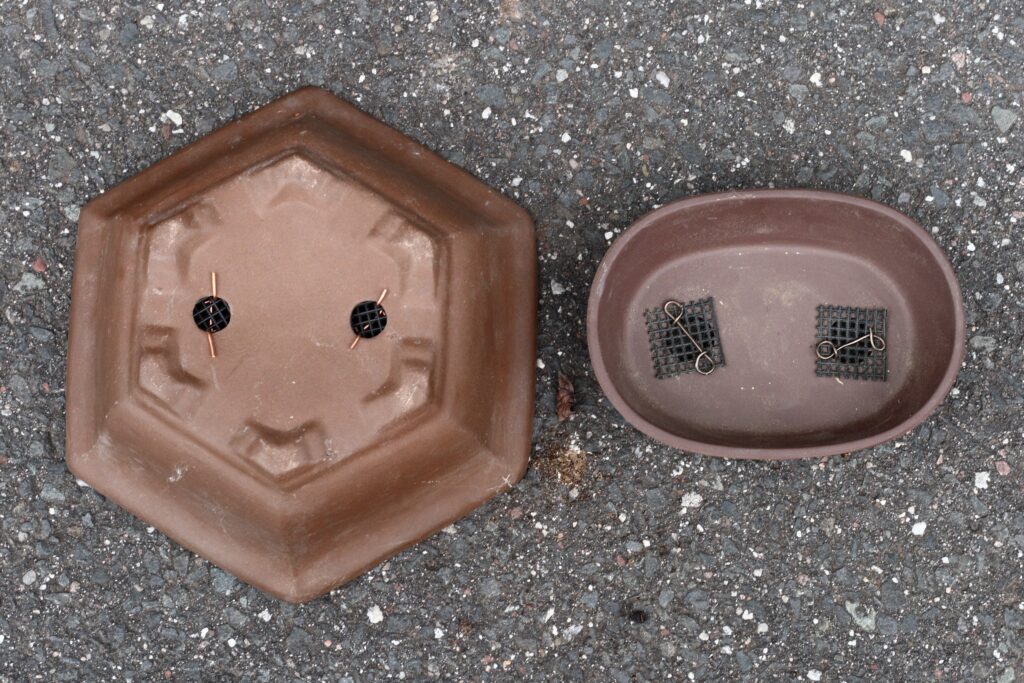
- Broken pottery shards: The classic. A single shard placed over the drainage hole reliably keeps soil from spilling out. Works well combined with expanded clay.
- Coconut fiber: Laid as a mat over the drainage layer, it cleanly separates soil from drainage material and keeps substrate from washing down into it.
Building It Correctly: Layer by Layer
The ideal setup from bottom to top: first, loosely cover the drainage hole with a pottery shard or a piece of fleece. Then add 2 to 4 cm of drainage material, depending on pot size. On top of that, add a thin layer of fleece or coarse soil so the substrate doesn’t sift down into the drainage. Only then does the potting soil — and the plant — go in.
When You Can Skip Drainage
In hydroponics, classic drainage is unnecessary — expanded clay serves as both substrate and drainage at once. Semi-hydroponic setups using Pon also skip the drainage layer, since the substrate itself regulates water balance. For outer pots without a drainage hole, the drainage principle only works if you keep the plant in its inner pot and pour off excess water after watering.
Bottom line: drainage isn’t a nice-to-have, it’s a basic requirement. Without it, every watering is a gamble — and your plant’s life is at risk.
This article may contain affiliate links. If you purchase a product through one of these links, Plantgecko may earn a commission at no extra cost to you. This never influences our editorial independence or which products we recommend.