Fighting Fungus Gnats: The Best Home Remedies and Methods
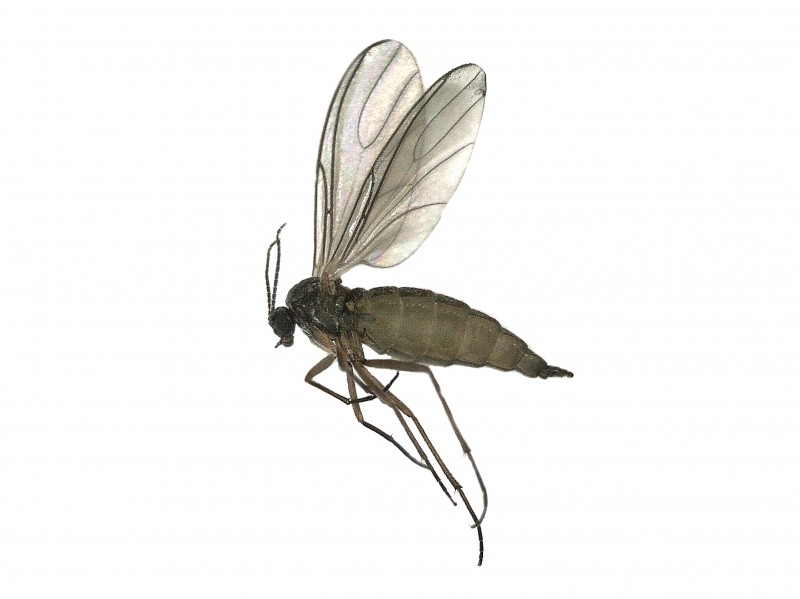
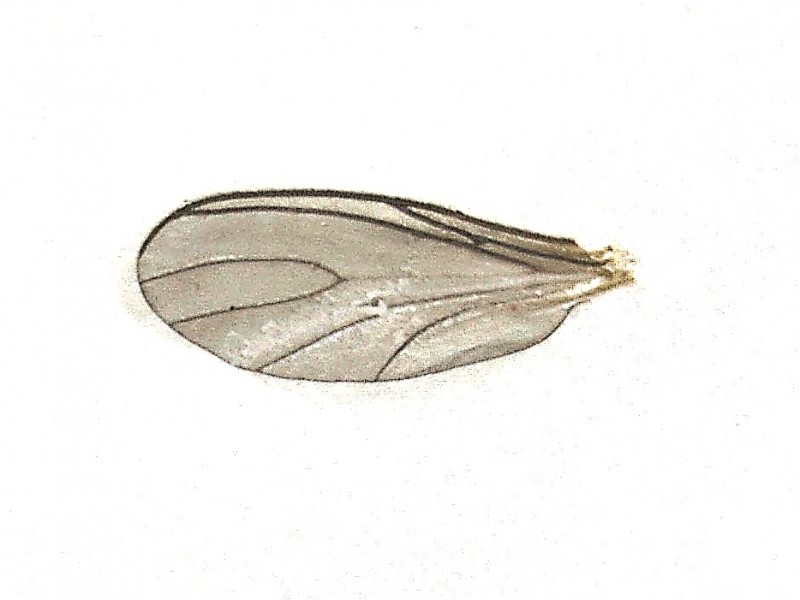
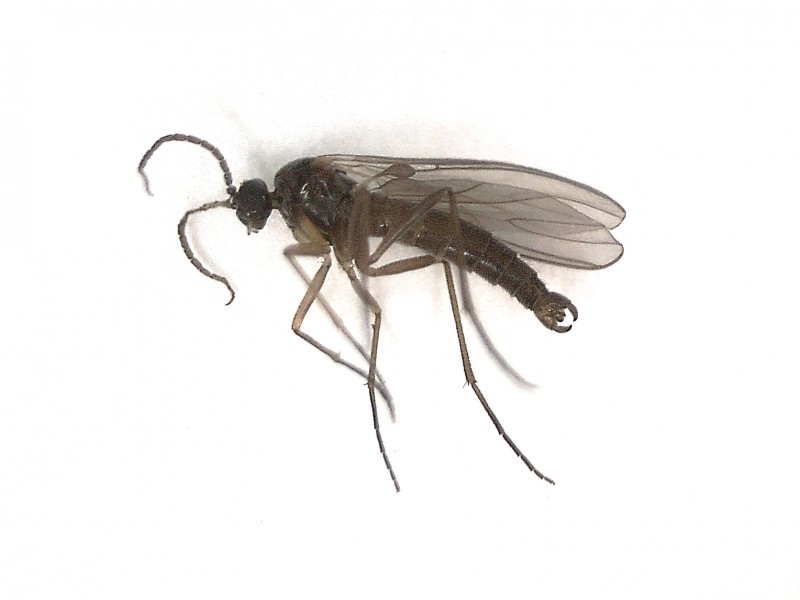
Fungus gnats are the small, dark, mosquito-like flies that seem to appear out of nowhere around houseplants, especially after watering. While the adults are mostly a nuisance, their larvae live in the top layer of soil and can damage the fine roots of seedlings and young plants if populations grow large. Fortunately, fungus gnats are one of the easier houseplant pests to control once you understand what draws them in.
Why Fungus Gnats Show Up
Fungus gnats are attracted to consistently moist, organic-rich soil, which is exactly where they lay eggs and where the larvae feed on fungi, algae, and decaying organic matter, and occasionally on root hairs. Overwatering is the single biggest factor behind an infestation: soil that never fully dries out gives the entire life cycle, from egg to larva to adult, everything it needs to keep going indoors year-round, since there’s no winter to interrupt it.
Home Remedies That Work
- Let the soil dry out. Allow the top one to two inches of soil to dry completely between waterings. This single change disrupts the larvae’s habitat more effectively than almost anything else.
- Yellow sticky traps. Place small yellow sticky cards near the soil surface to catch adult gnats, which are strongly attracted to the color. This won’t eliminate larvae but reduces the breeding adult population and helps you monitor how bad an infestation is.
- Cinnamon. Sprinkling ground cinnamon on the soil surface has mild antifungal properties that can make the environment less hospitable to gnat larvae, which feed partly on soil fungi.
- Hydrogen peroxide drench. A diluted mix of one part 3% hydrogen peroxide to four parts water, poured into the soil, kills larvae on contact through oxidation. It fizzes briefly and is harmless to most established plants once diluted.
- A sand or gravel top-dressing. A layer of coarse sand, fine gravel, or diatomaceous earth on the soil surface makes it harder for adult gnats to lay eggs and for emerging adults to reach the surface.
Long-Term Prevention
Prevention comes down mostly to watering habits and soil quality. Water only when the top inch or two of soil is dry, and choose pots with good drainage so excess water doesn’t sit at the bottom. Avoid soil mixes heavy in undecomposed compost or peat that stay damp for long periods, and don’t let saucers collect standing water after watering.
For a persistent or severe infestation, beneficial nematodes or a biological larvicide containing Bacillus thuringiensis israelensis (BTI), watered into the soil, targets gnat larvae specifically without harming plants, pets, or people. Because the gnat life cycle from egg to adult can take just a few weeks, consistency over several watering cycles is usually needed to fully break the cycle rather than expecting an instant fix.
With drier soil, a sticky trap or two, and patience through a few weeks of treatment, most fungus gnat problems clear up without needing harsh chemical pesticides.
This article may contain affiliate links. If you purchase a product through one of these links, Plantgecko may earn a commission at no extra cost to you. This never influences our editorial independence or which products we recommend.