Overfertilizing and Nutrient Deficiency: Recognizing Symptoms and Taking the Right Action
When Your Plant Looks Sick but You Can’t Tell Why
Often the cause is an imbalance in nutrient supply. Too much of a good thing can be just as harmful as too little. In this article, you’ll learn to recognize the most common deficiency symptoms and signs of overfertilizing, and how to treat each one correctly.
Overfertilizing: When Too Much Love Hurts
More fertilizer, better results? Unfortunately, no. Overfertilizing is one of the most common causes of sick houseplants — usually the result of good intentions. Its symptoms are varied and easy to mistake for other problems.
The classic sign is so-called salt shock: leaves wilt even though the soil is moist. A high salt concentration in the substrate draws water out of the roots through osmosis — the plant effectively goes thirsty in a wet pot. At the same time, leaf edges turn brown and dry, as if scorched.
Visible signs include white crusts or deposits of fertilizer salt on the soil surface or around the rim of the pot. In extreme cases, the soil itself takes on a whitish color.
What to do about overfertilizing:
- Stop fertilizing immediately
- Carefully remove any crust from the soil surface
- Flush the pot thoroughly with clear water several times
- Give the plant several weeks of rest with no fertilizer at all
- In severe cases, repot into fresh soil
Nitrogen Deficiency: A Starving Plant
Nitrogen deficiency is the most common nutrient shortage, especially in old, depleted potting soil. The plant can no longer produce chlorophyll, and its green color breaks down.
Symptoms begin on the older, lower leaves: they yellow evenly, starting from the tip, while the veins may stay green a bit longer. Young leaves get smaller and paler, and the whole plant barely grows.
You fix nitrogen deficiency with a nitrogen-focused green-plant fertilizer. The effect kicks in within a few days — the plant turns dark green again and resumes growing. For a severe shortage, a one-time foliar feed gives an instant boost.
Iron Deficiency: Yellow Leaves with Green Veins
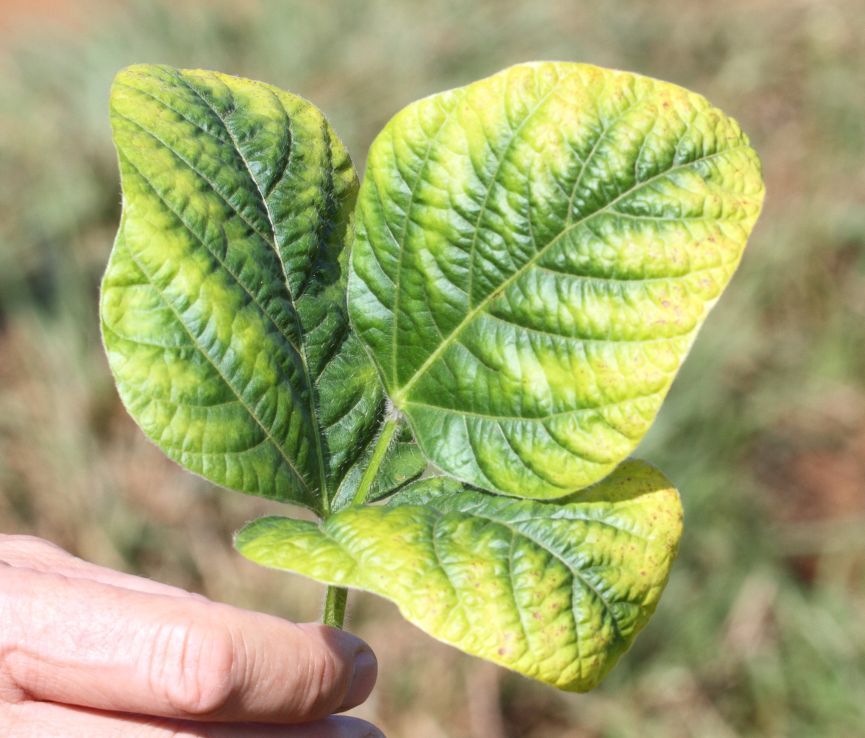
Iron deficiency shows a distinctive pattern: young leaves turn pale yellow, almost white, while the veins stay green. It looks like a green net over a yellow background and is known as chlorosis.
Unlike nitrogen deficiency, iron deficiency shows up first on the young leaves, because iron isn’t mobile within the plant and can’t be shifted from old leaves to new ones.
The most common cause of iron deficiency in houseplants isn’t too little iron in the fertilizer — it’s water that’s too hard or limey. Lime raises the substrate’s pH, and at a high pH the plant can no longer absorb iron, even if there’s plenty in the soil.
The fix: switch to softer water (rainwater or filtered water) and apply an iron fertilizer with chelated iron, which stays available to the plant even at a high pH.
Magnesium Deficiency: Spots Between the Veins
Magnesium deficiency shows up as yellow spots between the leaf veins, mainly on older leaves. The veins themselves stay green, but the tissue between them yellows in patches.
Magnesium is the central atom of the chlorophyll molecule — without it, the plant can’t produce chlorophyll or carry out photosynthesis.
Epsom salt is the fix: magnesium sulfate dissolved in water, applied as a foliar spray or added to the watering can. One tablespoon of Epsom salt per liter of water, applied once, resolves the deficiency within a few days.
Potassium Deficiency: Scorched-Looking Edges
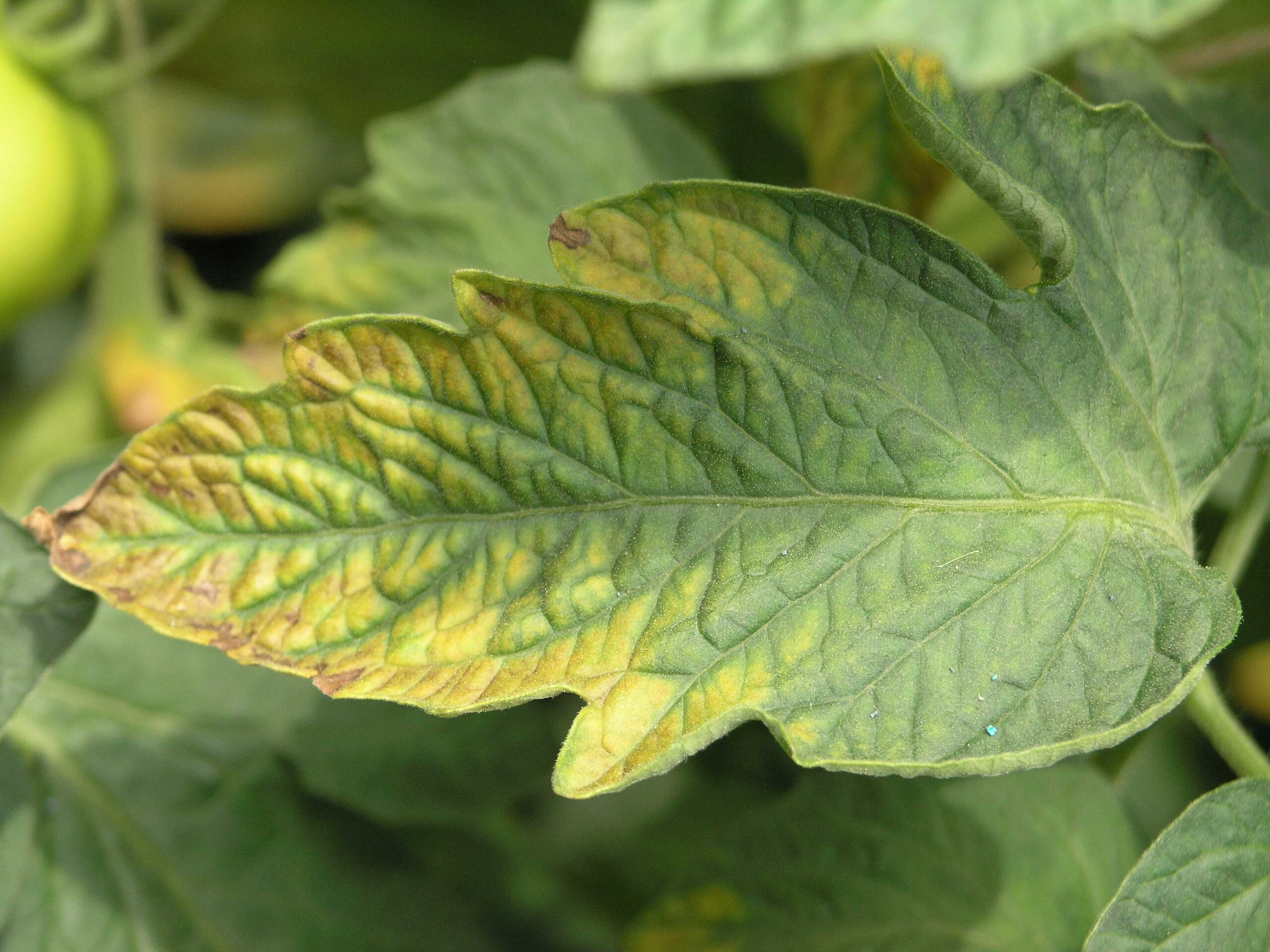
Potassium deficiency shows up as brown, dry leaf edges and tips that look scorched. Symptoms start on the older leaves and move inward.
Potassium regulates the plant’s water balance and keeps its tissue stable and resilient. Without enough of it, the plant becomes vulnerable to drought stress, disease, and pests.
A balanced all-purpose fertilizer with a good potassium content prevents this deficiency. Tomato fertilizers often have an especially high potassium content and can be used for an acute shortage.
Calcium Deficiency: Deformed Young Leaves
Calcium deficiency is rarer but noticeable: young leaves are stunted, small, and misshapen. They don’t unfurl properly and stay curled.
Calcium is abundant in most tap water — if you water with hard water, you’re more likely to have too much calcium than too little. A calcium shortage mainly shows up with soft rainwater or distilled water.
Combined Deficiencies
In practice, isolated deficiencies are rare. Usually several nutrients are lacking at once, which makes diagnosis harder. A generally poor condition — pale color, weak growth, small leaves — is the most common sign of an overall inadequate nutrient supply.
The best treatment then is a good all-purpose fertilizer containing all the trace elements, which addresses every shortage at once. Single-nutrient products like Epsom salt or iron fertilizer make sense only for a specific, clearly diagnosed deficiency.
Prevention Is Better Than Cure
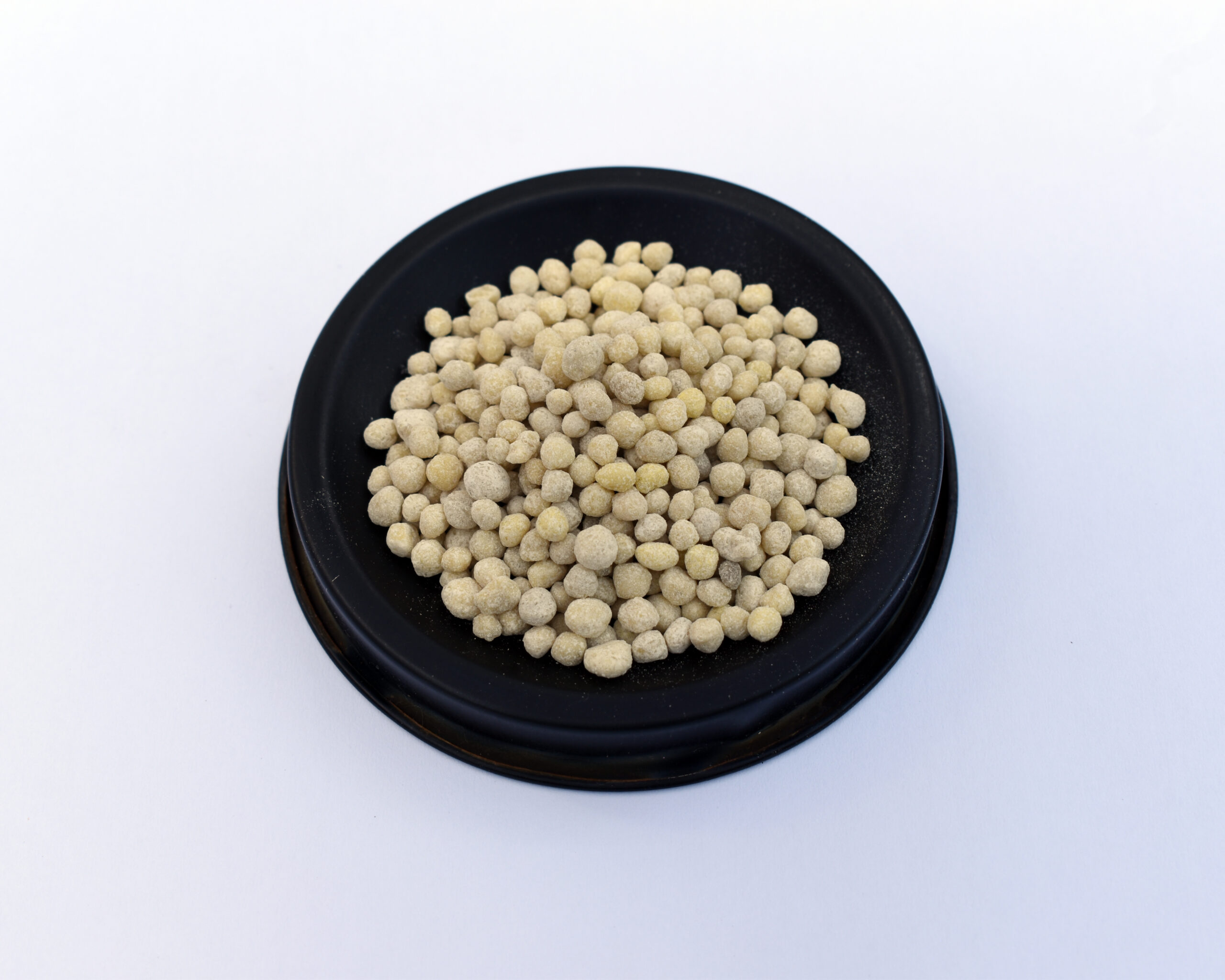
Regular feeding during the growing season with a high-quality all-purpose fertilizer reliably prevents most deficiency symptoms. A fertilizer with a full range of trace elements is the best choice for this.
Water occasionally with plain water and no fertilizer to flush out salt buildup. A white crust on the soil is the signal that it’s time for a flush.
With hard tap water, a water filter or a mix of rainwater helps keep the pH in the optimal range and prevents nutrient lockout.
Conclusion
Plants talk to us through their leaves, their color, and their growth. Learn to read the signals and you’ll catch problems early, before they become serious. A balanced all-purpose fertilizer, correct dosing, and soft water prevent most nutrient problems from the start.
This article may contain affiliate links. If you purchase a product through one of these links, Plantgecko may earn a commission at no extra cost to you. This never influences our editorial independence or which products we recommend.