Liquid, Sticks, or Slow-Release: Which Fertilizer Form Is Best?
The Main Fertilizer Formats
Plant fertilizers come in several physical forms, and the differences matter more than most gardeners realize. The nutrients themselves are usually similar; what changes is how quickly they become available to the roots and how much control you have over the dose.
Liquid and Water-Soluble Fertilizers
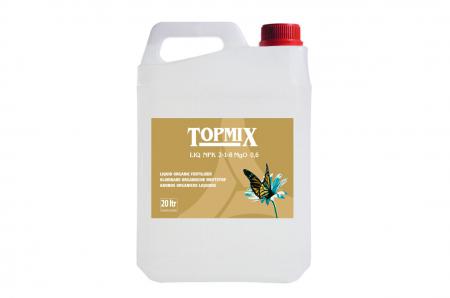
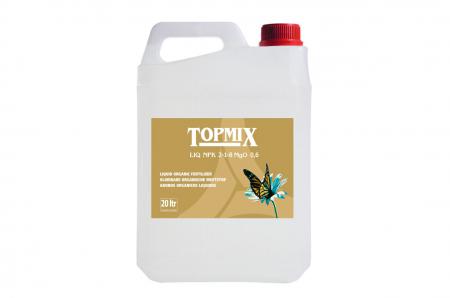
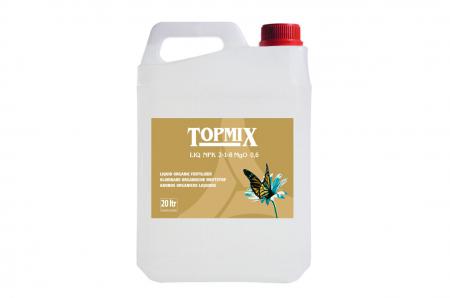
Liquid concentrates and water-soluble powders are mixed into your watering can and applied with every watering or every few waterings. Because nutrients are already dissolved, plants can take them up almost immediately, making liquids ideal for correcting a deficiency quickly or for giving a precise, adjustable dose. The trade-off is that they require the most frequent attention, since nothing lingers in the soil for long and you have to remember to add it each time.
Fertilizer Spikes and Sticks
Spikes and sticks are pushed into the soil and dissolve gradually with each watering, releasing nutrients over several weeks. They’re convenient because there’s nothing to measure or mix, but that convenience comes with a downside: nutrients are concentrated right around the spike, which can create a localized hot spot of salts near whatever roots happen to be nearby, occasionally causing burn on smaller pots. They work best in larger containers where roots are more evenly distributed and the spike can be placed away from the main root mass.
Granular and Slow-Release Fertilizers
Granular fertilizers are worked into the soil surface, while true slow-release (often coated, prilled) products release their contents gradually over one to several months as they’re exposed to moisture and warmth. This makes them extremely convenient for garden beds, containers, and busy schedules, since a single spring application can carry a plant through much of the growing season. The main limitation is less precise control: you can’t easily adjust the feeding rate once the product is applied, and release speed varies with soil temperature, so hot weather can trigger a faster-than-expected nutrient flush.
Popular Products by Form
Here’s how a few well-known products compare across the three main formats:
| Product | Form | Price Tier | Best For |
|---|---|---|---|
| View Miracle-Gro Water Soluble All Purpose Plant Food on Amazon | Liquid | $ | Weekly feeding, fast correction of deficiencies |
| Jobe’s Fertilizer Spikes for Houseplants | Spikes | $ | Large floor plants, hands-off houseplant care |
| Osmocote Smart-Release Plant Food | Slow-release granules | $$ | Garden beds and containers, one application per season |
| Espoma Plant-tone | Granular organic | $$ | Sustainable, slow feeding for garden beds |
Choosing the Right Form for the Job
- Houseplant collectors who enjoy a routine: liquid fertilizer offers the most control and lets you respond quickly to how each plant looks.
- Forgetful waterers or people with many plants: slow-release granules reduce the mental load to just a couple of applications a year.
- Large floor plants and outdoor containers: spikes or slow-release granules suit the bigger soil volume and lower risk of concentrated salt damage.
- Seedlings and stressed or recovering plants: a weak liquid solution is gentlest and easiest to control.
There’s no single “best” format; the right choice depends on the plant, the container size, and how much hands-on attention you want to give. Many experienced growers use slow-release granules as a base feeding in spring and supplement with occasional diluted liquid fertilizer during the peak growing season for extra responsiveness.
This article may contain affiliate links. If you purchase a product through one of these links, Plantgecko may earn a commission at no extra cost to you. This never influences our editorial independence or which products we recommend.