Lavender Planting and Care: The Fragrant Mediterranean Shrub for Sunny Gardens
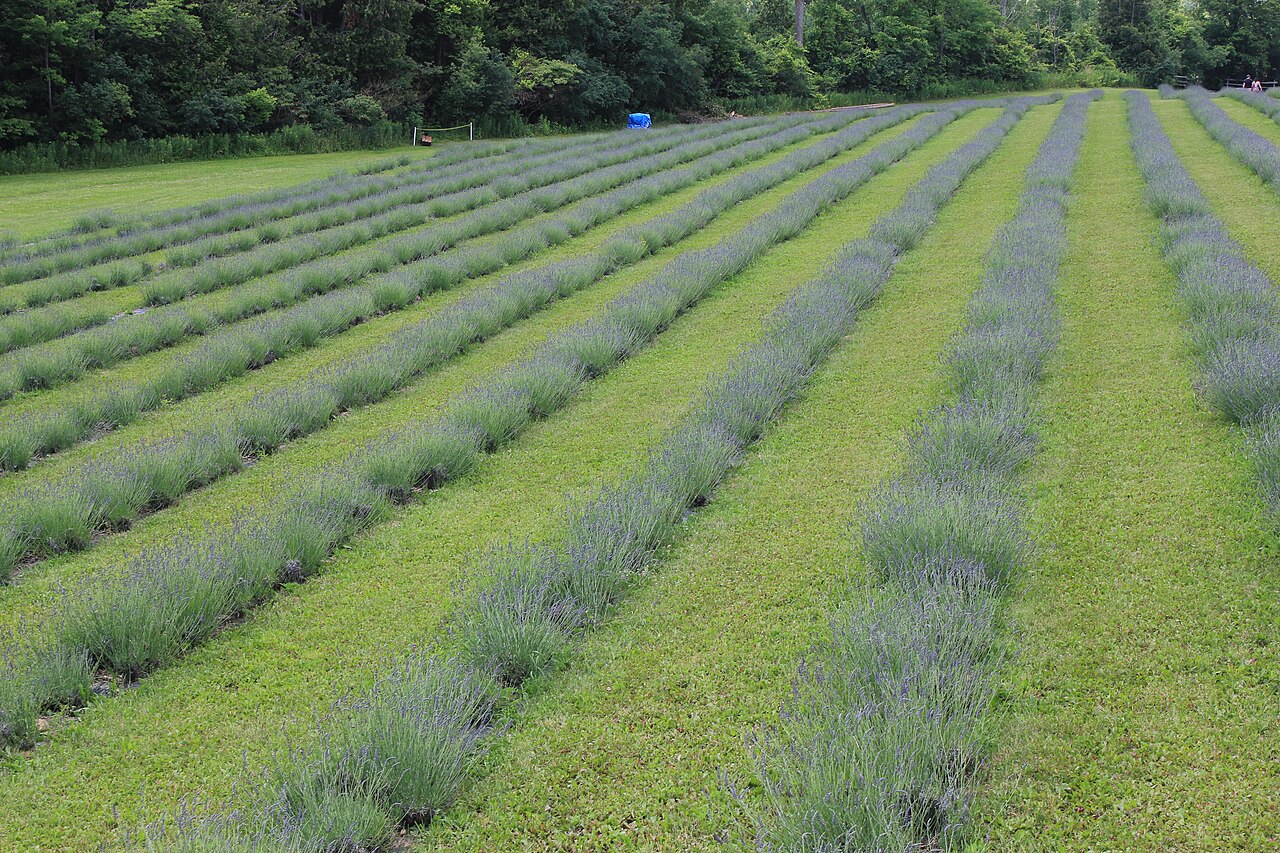
A Sun-Loving Native of Dry, Rocky Hillsides
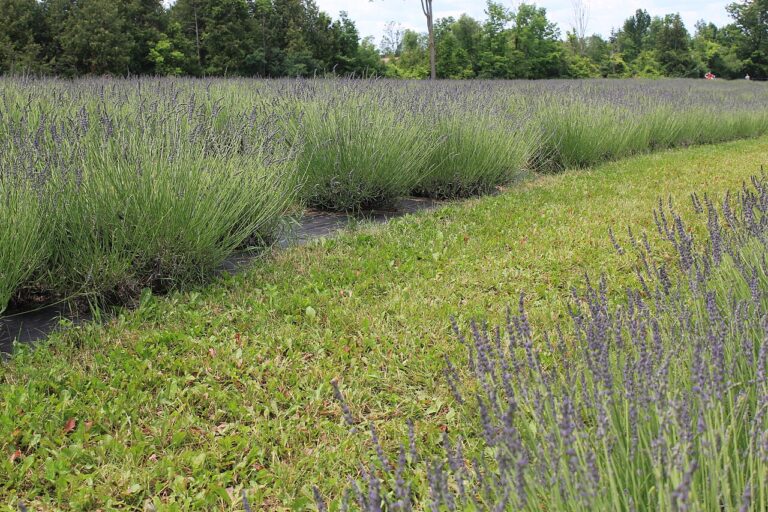
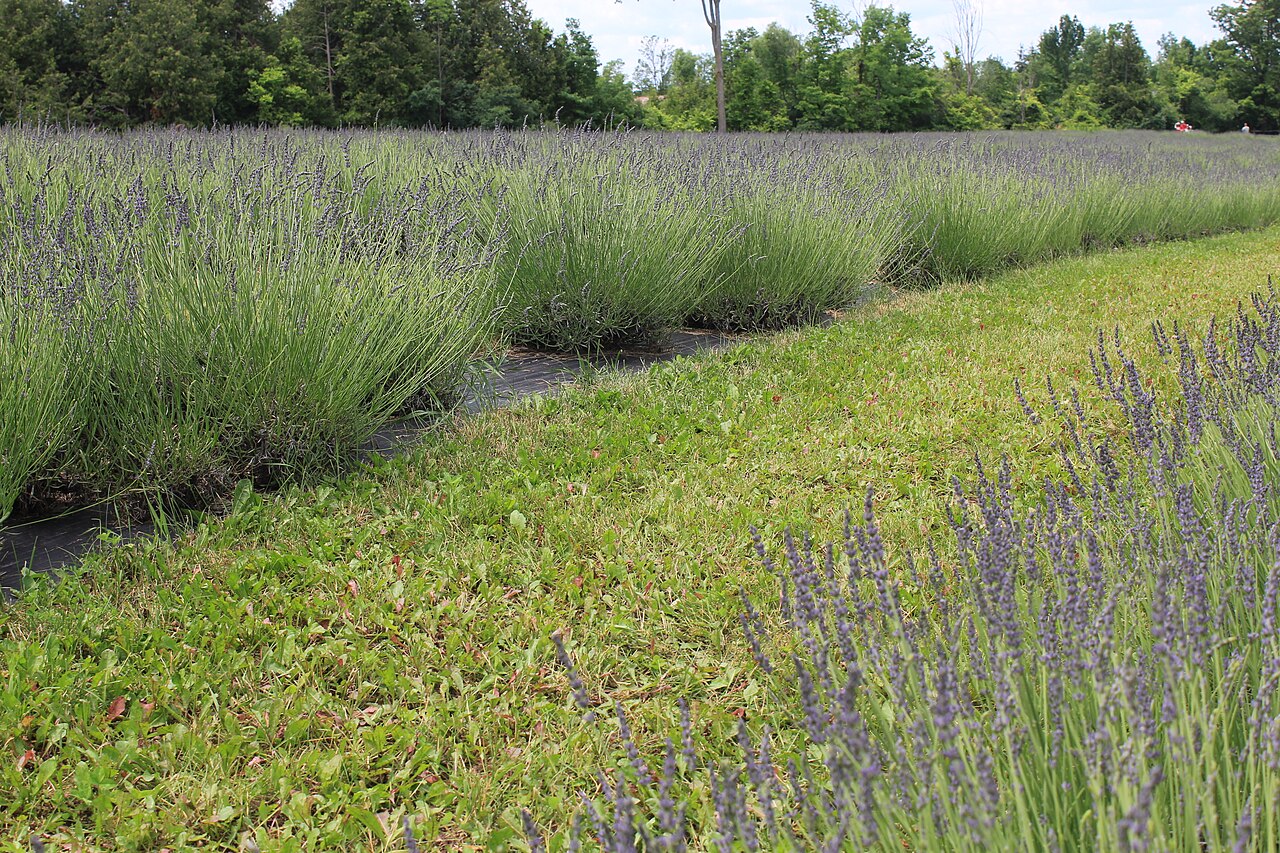
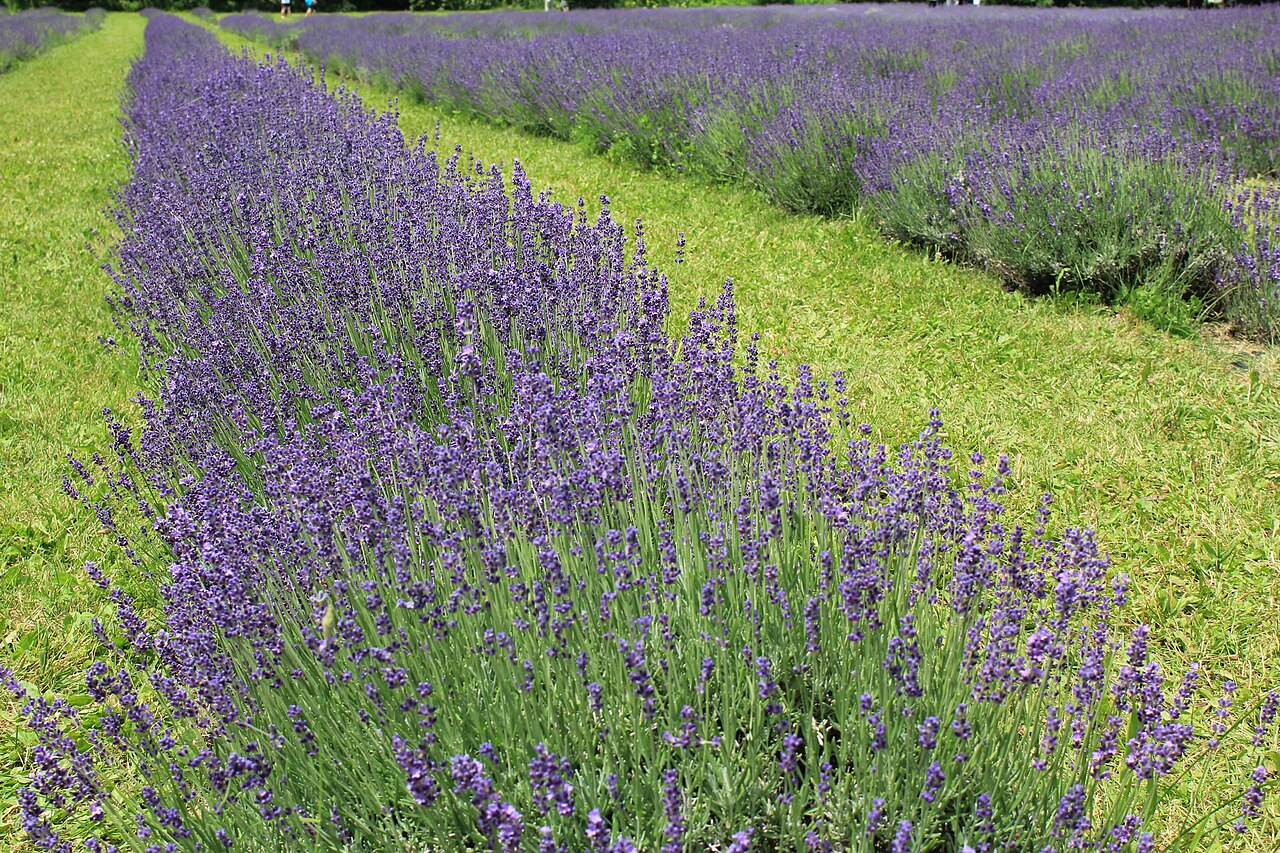
Lavender (Lavandula) originates from the rocky, sun-baked hillsides of the Mediterranean, and understanding that native habitat explains almost everything about growing it successfully. It wants full sun, lean soil, sharp drainage, and relatively little water once established. Common English lavender (Lavandula angustifolia) is the hardiest type, while French and Spanish lavenders are showier but more cold-sensitive and better suited to milder climates or pot culture.
Planting: Site and Soil
Choose the sunniest spot available, at least six to eight hours of direct sun daily. Lavender’s biggest enemy isn’t cold or drought but wet feet, so drainage matters more than fertility. Heavy clay soil should be amended with coarse grit, sand, or planted in a raised bed or mound to lift the roots above standing water. Skip rich compost or fertilizer at planting time; lavender actually performs best in poor to moderately fertile, slightly alkaline soil, and overly rich conditions produce lush but weak, floppy growth with less fragrance and fewer flowers.
Watering and Ongoing Care
Water newly planted lavender regularly through its first season to establish roots, then back off significantly. Established plants are drought-tolerant and prefer to dry out between waterings; in most climates, rainfall alone is sufficient once the shrub is settled in, except during extended dry spells. Overwatering, especially in poorly drained soil, is the most common cause of lavender failure, leading to root rot and gray, mushy stems at the base.
Pruning for Shape and Longevity
Lavender ages quickly into a woody, sparse shrub if left unpruned. Trim lightly after the main flush of flowering to remove spent flower stalks, and give it a more thorough shaping cut in early spring as new growth appears, cutting back about a third of the plant while leaving some green foliage on every stem. Cutting into completely bare, leafless wood usually fails to resprout, so it’s better to prune a little every year than to attempt a hard rejuvenation cut on an overgrown, woody plant.
Winter Protection and Common Problems
In colder climates, English lavender tolerates freezing temperatures well provided the soil drains freely; wet winter soil combined with cold is far more damaging than cold alone. In regions with heavy winter rain, growing lavender in raised beds, on slopes, or in containers moved to a sheltered spot helps keep roots from sitting in cold, saturated soil. Aside from root rot from overwatering, lavender is relatively pest-free, though it can occasionally attract aphids or spittlebugs; a strong jet of water usually manages minor infestations without needing chemical treatment.