Phlox Planting and Care – How to Grow Colorful Garden Phlox
Introduction
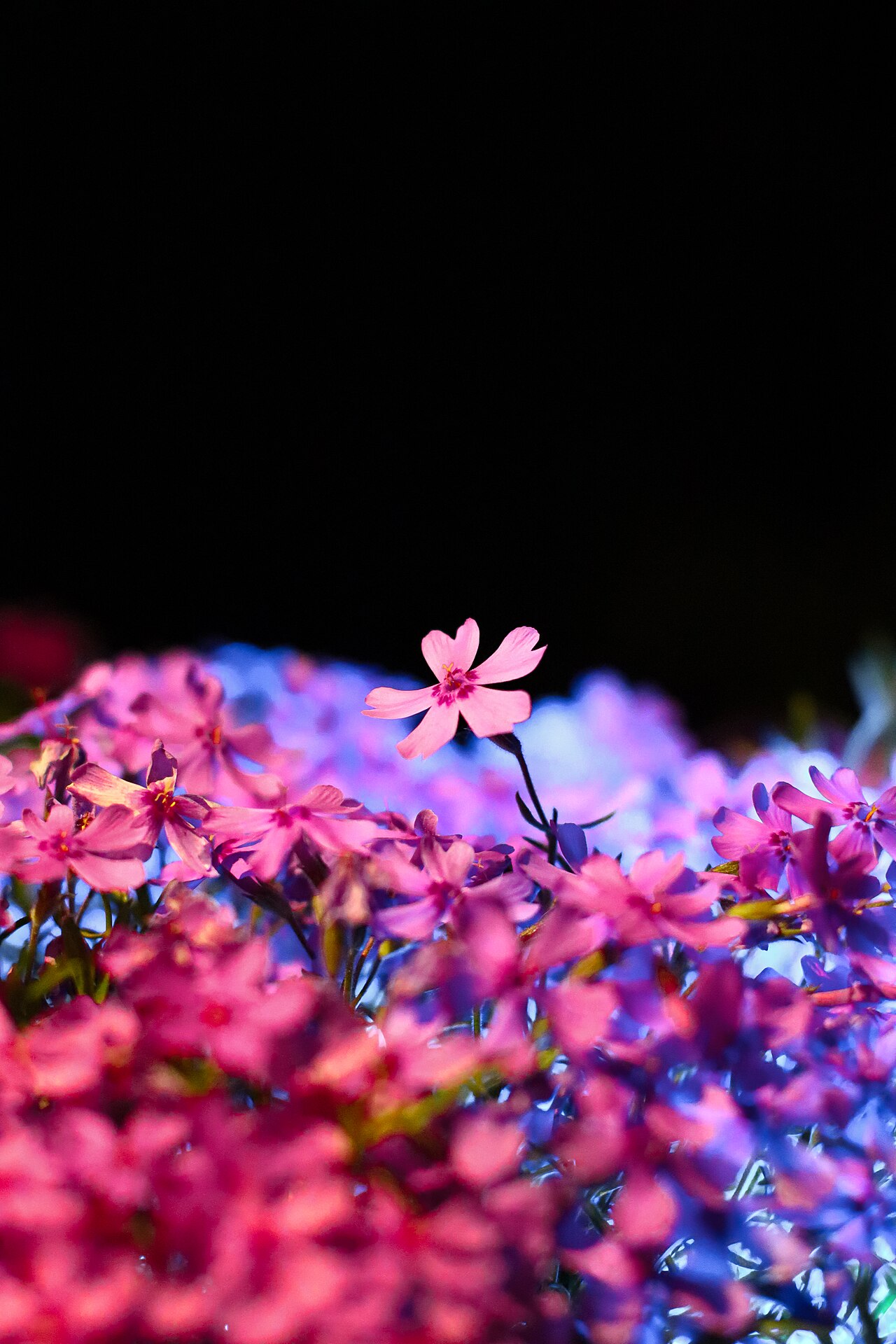
Garden phlox (Phlox paniculata) is a beloved perennial border plant, prized for its large, fragrant clusters of flowers that bloom from midsummer into early autumn in shades of white, pink, purple, and red. Its low-growing cousin, creeping phlox (Phlox subulata), instead forms a carpet of color in spring and is often used for rock gardens and slopes. Both are easy to grow when given the right conditions.
Site and Sun Requirements
Garden phlox performs best in full sun, needing at least six hours of direct light daily to produce abundant blooms and to resist the powdery mildew that plagues shadier, poorly ventilated plantings. Creeping phlox tolerates a bit more shade but still flowers most heavily in sun. Choose a site with good air circulation; crowding plants together traps humidity around the foliage and encourages disease.
Who This Is For
Soil and Planting
Phlox prefers rich, well-drained soil with a slightly acidic to neutral pH of around 6.0 to 7.0. Work compost into the planting area before setting out new plants, and space garden phlox 45 to 60 cm (18 to 24 inches) apart to allow air to move freely between the mature clumps. Plant in spring or early autumn so roots can establish before extreme summer heat or winter cold arrives.
Watering
Give phlox deep, regular watering, aiming for about 2.5 cm (1 inch) per week during active growth, more in hot, dry spells. Water at the base of the plant rather than overhead; wet foliage, especially in the evening, is one of the main triggers for powdery mildew. A layer of mulch around the base helps retain soil moisture and keeps roots cool.
Buying Criteria
Feeding and Deadheading
A balanced, slow-release fertilizer applied in early spring as new growth emerges is usually sufficient for the season. Deadhead spent flower clusters regularly to encourage rebloom and prevent excessive self-seeding, which can produce weaker, off-color seedlings that eventually crowd out the named variety you originally planted.
Managing Powdery Mildew
Powdery mildew, which appears as a white, dusty coating on leaves, is the single biggest challenge with garden phlox. The best defense is prevention: good spacing, morning watering, and choosing mildew-resistant cultivars such as ‘David’, ‘Jeana’, or ‘Delta Snow’. If mildew does appear, remove and discard affected foliage and consider a fungicidal spray labeled for ornamental use.
Product/Option Categories
Dividing Established Clumps
Every three to four years, garden phlox clumps become congested and benefit from division. Dig up the clump in early spring or fall, split it into smaller sections with a spade or knife, and replant with adequate spacing. Division rejuvenates flowering and is also the easiest way to propagate more plants true to the parent variety.
Companion Planting
Phlox pairs beautifully with coneflowers, black-eyed Susans, daylilies, and ornamental grasses, creating a classic cottage-garden look. Its strong fragrance and nectar-rich flowers also make it a magnet for butterflies, bees, and hummingbirds, adding valuable pollinator support to any perennial border.
Seasonal Care Through the Year
In early spring, as new phlox shoots emerge from the ground, thin overly dense clumps to around five or six of the strongest stems per plant; this single step dramatically improves air circulation and reduces mildew risk for the whole season. Through summer bloom, deadhead weekly and watch for the first dusty signs of mildew on lower leaves so you can remove affected foliage before it spreads upward. After flowering finishes in early autumn, resist heavy pruning right away; leaving some stem and foliage intact a little longer allows the plant to store energy in its roots for next year. A full cutback to a few centimetres above ground level is best done after the first hard frost, once the plant has gone fully dormant, removing debris that could otherwise host overwintering mildew spores.
Trade-offs
A Note on Watering Tools
Because overhead watering is one of the biggest contributors to powdery mildew on phlox, many gardeners switch to a soaker hose that delivers water directly to the soil along the base of the row, keeping foliage completely dry. Laid along the bed at planting time and covered lightly with mulch, a soaker hose also improves watering consistency, reducing the stress swings between drought and deluge that weaken plants and invite disease over a full season.
Disclosure
This article may contain affiliate links. If you purchase a product through one of these links, Plantgecko may earn a commission at no extra cost to you. This never influences our editorial independence or which products we recommend.
| Product | Best For | Price | |
|---|---|---|---|
| soaker hose | Top Pick | Check price | View |
Recommendation Framework
Frequently Asked Questions
How do I know if my phlox has powdery mildew?
Look for a white or grayish, dusty-looking coating on the leaf surface, usually starting on lower or inner leaves where air circulation is poorest. Left untreated it can spread across the whole plant and reduce flowering and vigor over time.
Should I cut phlox back in fall?
Conclusion
Cutting garden phlox stems down to a few centimetres above the ground after the first hard frost is good practice; it removes foliage that may harbor mildew spores over winter and tidies the bed for spring regrowth.
Why are my phlox flowers smaller than when I bought the plant?
This is often due to self-seeded volunteer plants, which frequently revert to a plain magenta color and smaller flower size compared with the named cultivar originally planted. Removing spent blooms before they set seed helps preserve the original variety.
How long do phlox blooms last?
Individual garden phlox flower clusters can bloom for several weeks, and with regular deadheading, the overall bloom period often extends from midsummer well into early autumn.