Lavender in the Garden: A Mediterranean Classic for Sunny Beds
Introduction
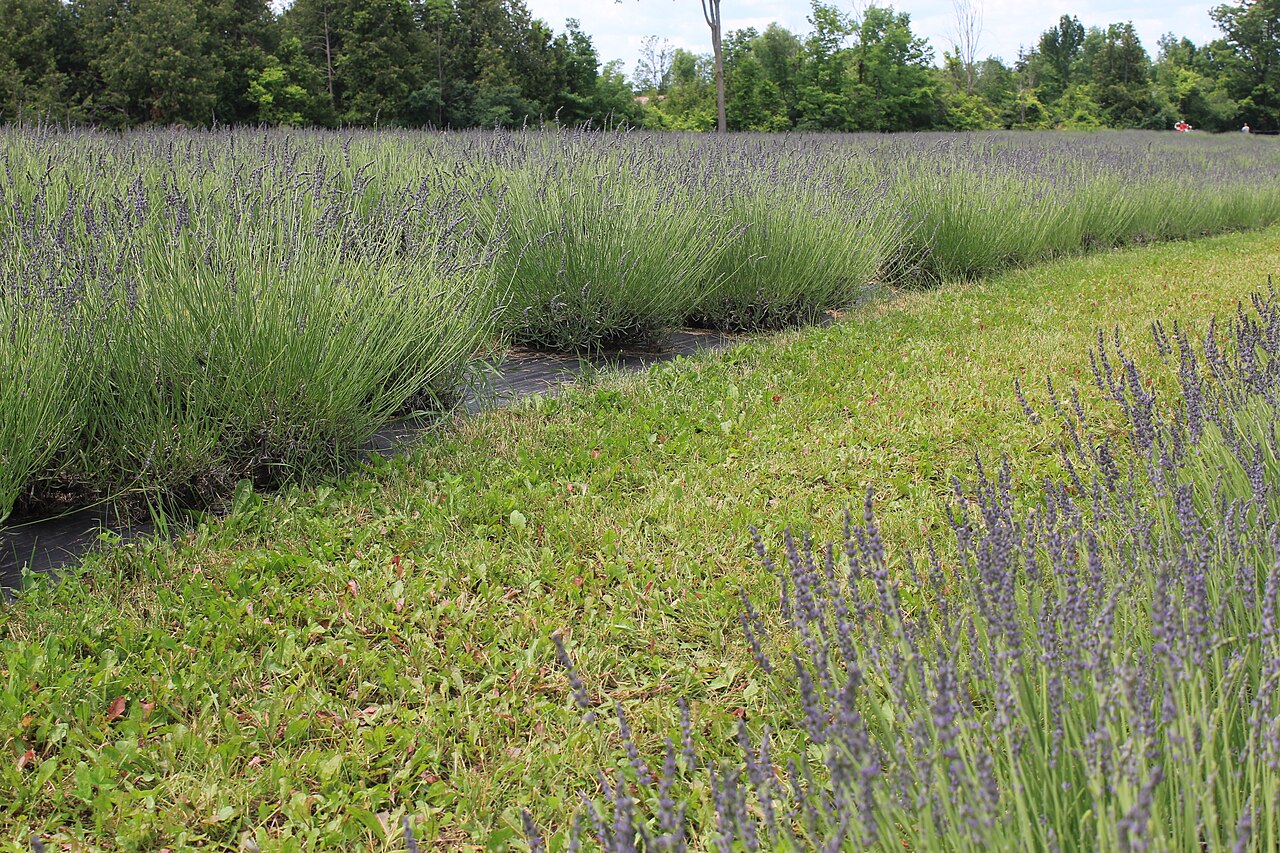
Photo: Laslovarga (CC BY-SA 4.0, Wikimedia Commons)
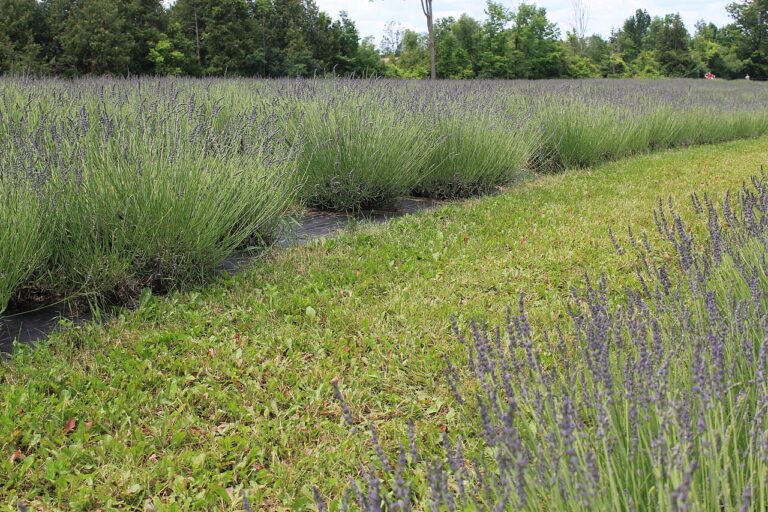
Few plants capture the feel of a Mediterranean summer quite like lavender. With its silvery foliage, upright purple flower spikes, and unmistakable scent, Lavandula is a staple of sunny borders, gravel gardens, and herb beds alike. It is also one of the best plants for attracting bees and butterflies, remarkably drought-tolerant once established, and useful well beyond the garden — in sachets, dried arrangements, and even the kitchen.
Choosing the Right Lavender
English lavender (Lavandula angustifolia), including popular varieties like ‘Hidcote’ and ‘Munstead’, is the hardiest type and tolerates winter cold down to about 5°F, making it the safest choice for most temperate gardens. French lavender (Lavandula stoechas), recognizable by its rabbit-ear-shaped bracts, and Spanish/lavandin hybrids (Lavandula x intermedia) are less cold-hardy but offer bolder flowers and, in the case of lavandin, an even stronger fragrance — it’s the type most often grown commercially for oil. For pots and colder regions, French lavender is best grown as a container plant that can be moved to shelter for winter.
Who This Is For
Site and Soil
Lavender demands full sun — at least six hours a day — and struggles in shade, producing thin, floppy growth and few flowers. Soil is just as important as light: lavender needs sharply free-draining, slightly alkaline soil. Heavy clay or consistently damp ground is the number one killer of lavender, causing root rot within a season or two. If your soil is heavy, plant on a mound or in a raised bed, and work in coarse grit or sand to improve drainage before planting. A pH between 6.5 and 8.0 is ideal; in strongly acidic soil, a light dusting of garden lime can help.
Buying Criteria
Planting and Watering
Plant lavender in spring after the last frost, spacing plants 12-24 inches apart depending on variety to allow good air circulation, which helps prevent fungal problems. Water regularly during the first growing season to help roots establish, then taper off — established lavender is genuinely drought-tolerant and generally only needs watering during prolonged dry spells. Overwatering is a far greater risk than underwatering; when in doubt, leave it dry. Mulching with light-colored gravel rather than organic mulch also helps by reflecting heat and keeping the crown dry.
Product/Option Categories
Pruning: The Key to Longevity
Correct pruning is what separates a lavender that lasts fifteen years from one that turns woody and collapses after five. Trim plants lightly after the first flush of flowers fades in mid-to-late summer, cutting back about a third of the growth including a small amount of the previous year’s wood, but never cutting into old, leafless wood — lavender rarely reshoots from bare stems. A second light trim in early spring, once new growth appears, helps maintain a dense, rounded shape. Consistent annual pruning is far more effective than one hard cutback, and neglected plants that have already gone woody are usually better replaced than rescued.
Trade-offs
Feeding, Pests, and Winter Care
Lavender is a low-nutrient plant adapted to poor, rocky Mediterranean soils, so avoid rich fertilizers, which encourage soft, floppy growth at the expense of flowers and fragrance. A light application of slow-release fertilizer formulated for herbs in spring is plenty. Pests are rarely a problem, though froghopper ‘cuckoo spit’ can appear on stems in early summer — it’s harmless and can simply be washed off. In colder regions, protect less-hardy French and Spanish types with a dry mulch of straw or grow them in pots that can be moved under cover for winter.
Growing Lavender in Pots.
Disclosure
This article may contain affiliate links. If you purchase a product through one of these links, Plantgecko may earn a commission at no extra cost to you. This never influences our editorial independence or which products we recommend.
| Product | Best For | Price | |
|---|---|---|---|
| Slow-Release Fertilizer for Mediterranean Herbs | Top Pick | Check price | View |
| Terracotta Pot for Herbs | Budget Alternative | Check price | View |
Recommendation Framework
Lavender does very well in containers, provided the pot has generous drainage holes and is filled with a gritty, fast-draining mix — ordinary potting soil retains too much moisture on its own. A terracotta pot is an especially good match, since its porous walls let excess moisture evaporate through the sides as well as the drainage hole. Container-grown lavender dries out faster than plants in the ground, so check the soil during hot weather, but always let it approach dryness between waterings rather than keeping it constantly moist.
Harvesting and Uses
Cut flower spikes for drying just as the lowest florets begin to open, when oil content and fragrance are at their peak. Bundle stems and hang them upside down in a dark, airy spot for two to three weeks. Beyond dried bouquets and sachets, culinary English lavender can flavor shortbread, lemonade, and herb blends, while the flowers are a magnet for bees and butterflies throughout the height of summer.
Conclusion
Companion Planting and Design
Lavender pairs beautifully with other Mediterranean and drought-tolerant plants that share its love of sun and lean soil, such as rosemary, sage, catmint, and roses — the classic combination of lavender underplanting a rose bed both looks attractive and is said to help repel aphids from the roses. Its silvery, mounded habit also makes it an excellent low informal hedge along a path or border edge, releasing fragrance every time it’s brushed against.