Larkspur (Delphinium): The Blue Dream for Your Perennial Border
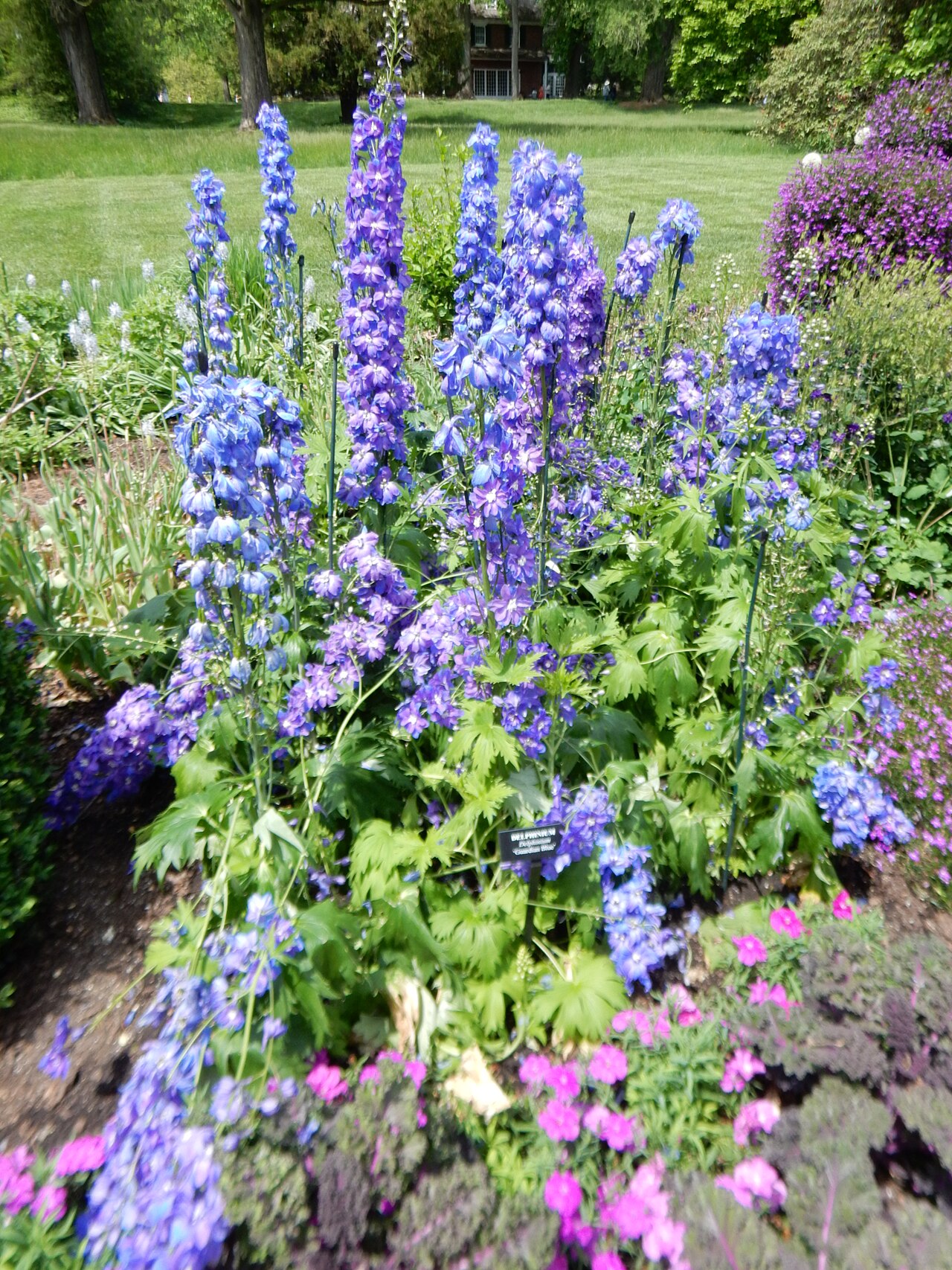
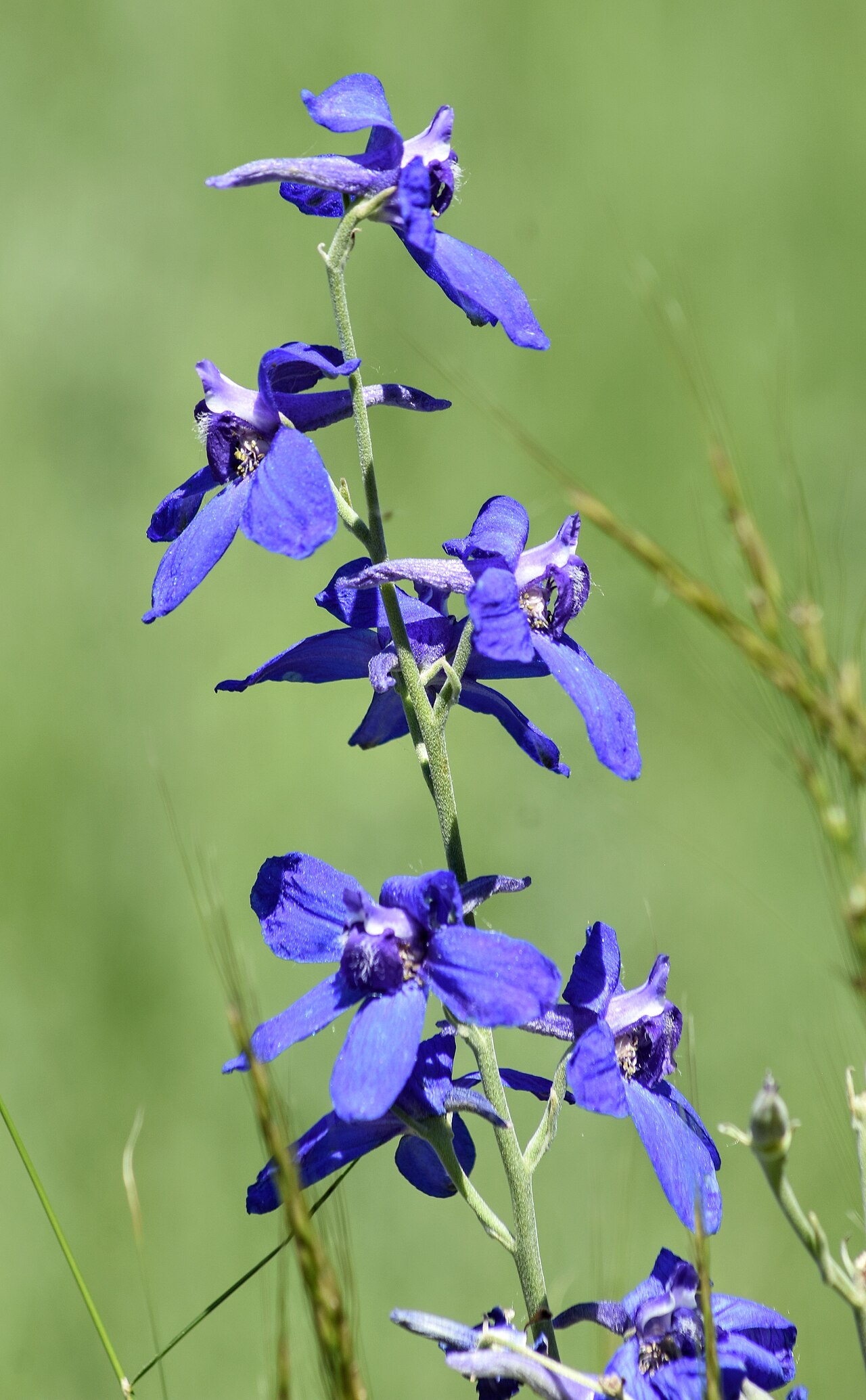
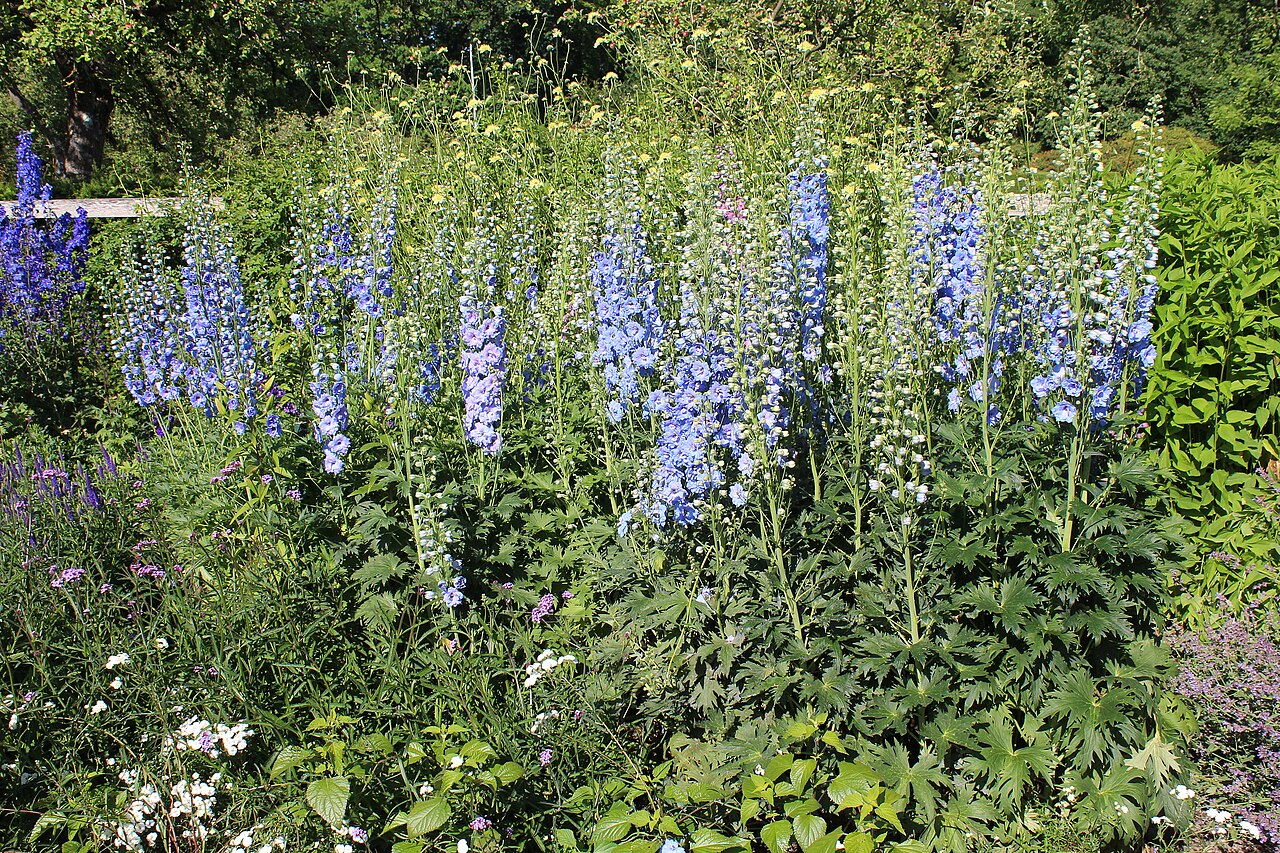
Nothing delivers pure blue quite like larkspur and delphinium, whose tall spires of densely packed flowers form the backbone of the classic English cottage border. The two names are often used loosely, but botanically annual larkspur (Consolida ajacis) and perennial delphinium (Delphinium elatum hybrids) are closely related cousins that share similar needs, striking flower spikes, and a preference for cool summers and rich soil.
Annual Larkspur vs. Perennial Delphinium
Annual larkspur is easy from seed, flowers the same year it’s sown, and self-seeds readily, making it an inexpensive way to fill a border with height and color year after year with almost no effort. Perennial delphiniums, especially the tall Pacific Giant and New Millennium hybrids reaching 5-7 feet, return for several years but are shorter-lived than many perennials, typically thriving for three to five years before needing replacement or division. Both plants share the same rich blue-to-purple color range, though delphiniums also come in white, pink, and lavender shades, and their densely packed florets make an unmistakable vertical statement in any border.
Site and Soil
Both plants want full sun and rich, fertile, well-drained soil with consistent moisture — they are not drought-tolerant and will sulk, stunt, or drop buds in hot, dry conditions. A sheltered spot out of strong wind is essential, since the tall flower spikes are easily snapped once loaded with blooms, especially after summer rain adds extra weight. Cool summer climates suit delphiniums best; in hot, humid regions they often struggle and are best treated as short-lived plants, given afternoon shade, or replaced with heat-tolerant blue alternatives like salvia.
Sowing and Planting
Sow larkspur seed directly where it is to flower in early spring or, in mild climates, in autumn for larger plants and earlier bloom the following year — larkspur resents root disturbance and transplants poorly, so avoid starting it in trays if possible. Delphinium is usually purchased as young plants or started indoors, then planted out after the last frost, spaced 18-24 inches apart to allow good air circulation around the dense foliage, which helps reduce powdery mildew later in the season.
Staking Tall Spikes
Given their height, both plants benefit enormously from support. Insert stakes or a sturdy plant support early, before the spikes shoot up, and tie stems loosely at several points as they grow, rather than a single tie near the top. Even a summer thunderstorm can flatten an unsupported bed of delphiniums overnight, so don’t skip this step in exposed gardens, and consider planting them against a fence or wall for extra shelter.
Watering and Feeding
Keep soil consistently moist, especially during dry spells, and mulch to conserve moisture and keep roots cool. Feed with a balanced fertilizer in spring as growth begins, and again after the first flush of flowers if cutting back for a second bloom. Avoid wetting the foliage when watering, since damp leaves encourage powdery mildew, a common problem in humid weather that shows up as a grey-white dusty coating on lower leaves.
Pests and Toxicity
Slugs and snails are drawn to the tender young shoots in spring and can demolish a plant almost overnight, so protect emerging growth with copper tape, sharp grit, or organic slug pellets right from the moment shoots break the soil. Aphids sometimes cluster on flower spikes and buds and can be rinsed off with a strong jet of water or treated with insecticidal soap. Importantly, all parts of both larkspur and delphinium are toxic if ingested, to humans, pets, and livestock — plant them out of reach of grazing animals and curious pets, and always wash hands after handling or deadheading.
Deadheading for a Second Bloom
Once the main flower spike fades, cut it back to just above a set of leaves rather than removing the whole plant. Many delphiniums and larkspurs will reward this with a smaller second flush of flowers in late summer or early autumn. Leave a few spent flowers on larkspur if you want it to self-seed for next year’s display — the volunteer seedlings that appear on their own each spring are often the strongest, most vigorous performers in the bed.
Winter Care for Perennial Delphinium
After the first hard frost blackens the foliage, cut perennial delphinium stems down to a few inches above the crown and apply a loose mulch to protect the roots over winter, particularly in regions with harsh freezes. Wet, poorly drained soil in winter is more likely to kill delphinium than cold alone, so ensure the crown isn’t sitting in standing water. In early spring, watch for the first new shoots and thin them to the strongest three or four per clump for the best flower spikes.
Companion Planting Ideas
Both larkspur and delphinium look striking planted behind lower-growing companions such as roses, lupines, foxgloves, and ornamental alliums, which help hide the sometimes bare lower stems while echoing the same cool cottage-garden color palette. Grouping several plants together in threes or fives, rather than dotting single specimens through the border, gives the strongest visual impact and mimics how they grow naturally in the wild.
This article may contain affiliate links. If you purchase a product through one of these links, Plantgecko may earn a commission at no extra cost to you. This never influences our editorial independence or which products we recommend.