Peonies: Planting and Care for Magnificent Blooms
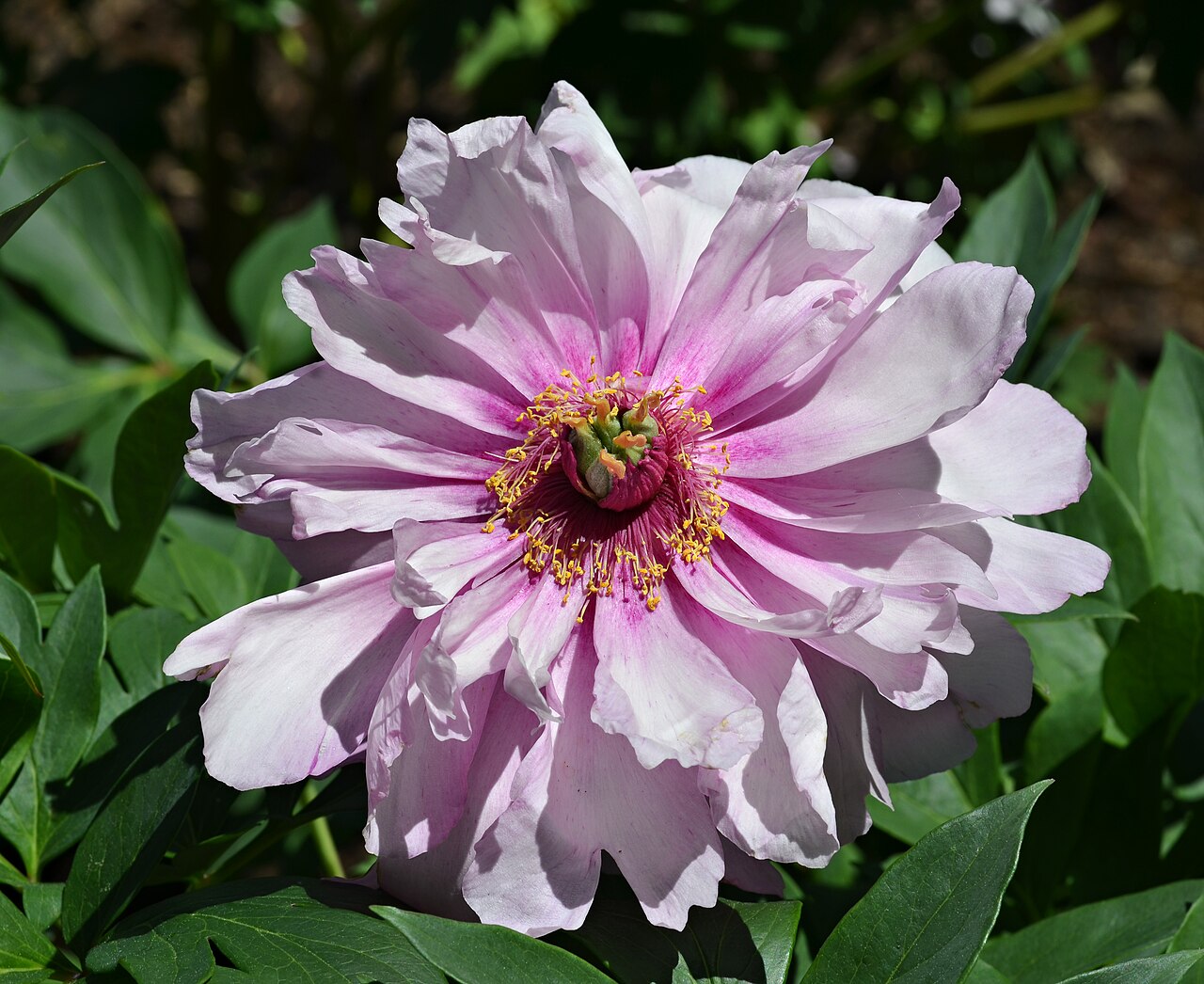
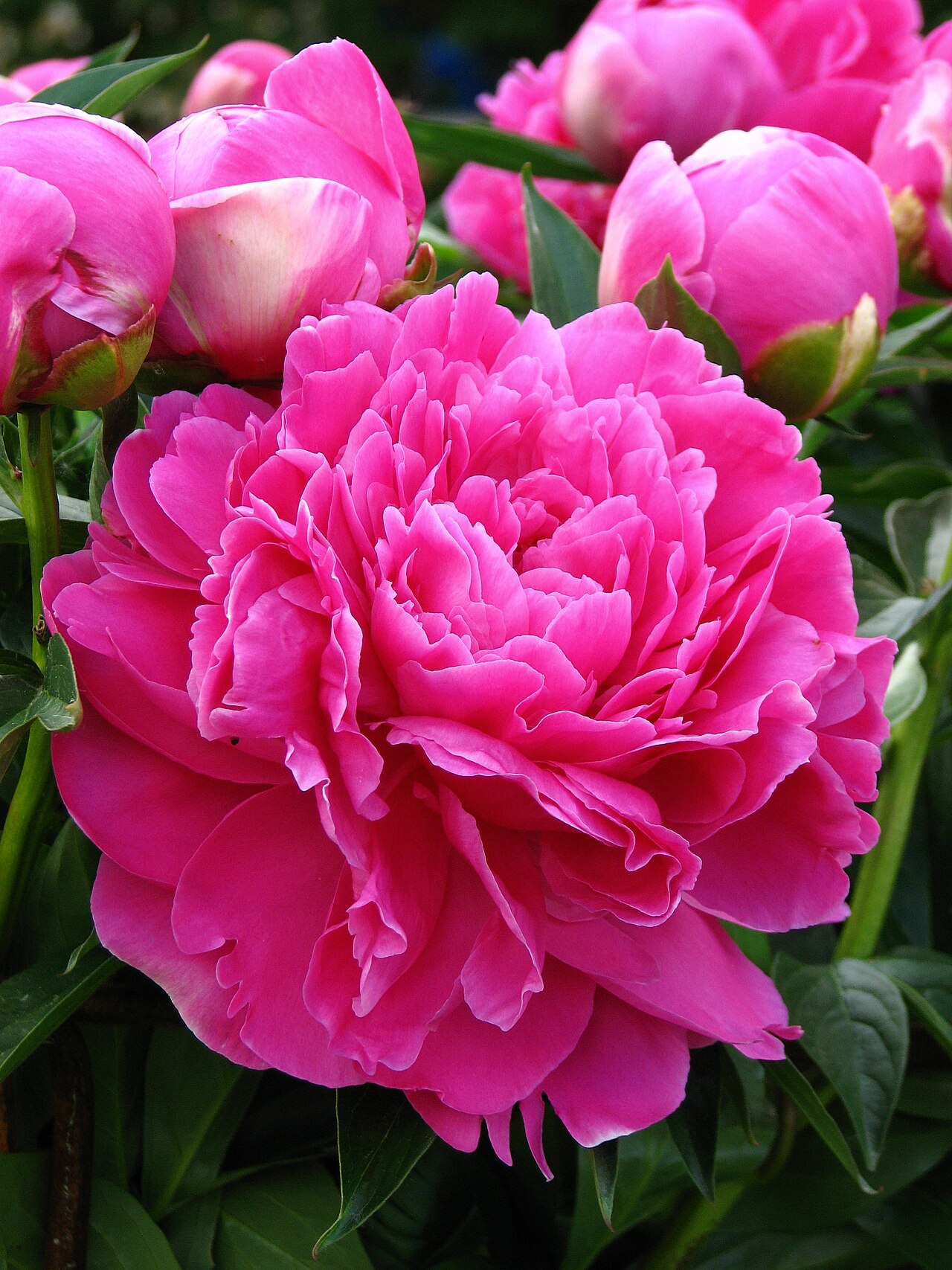
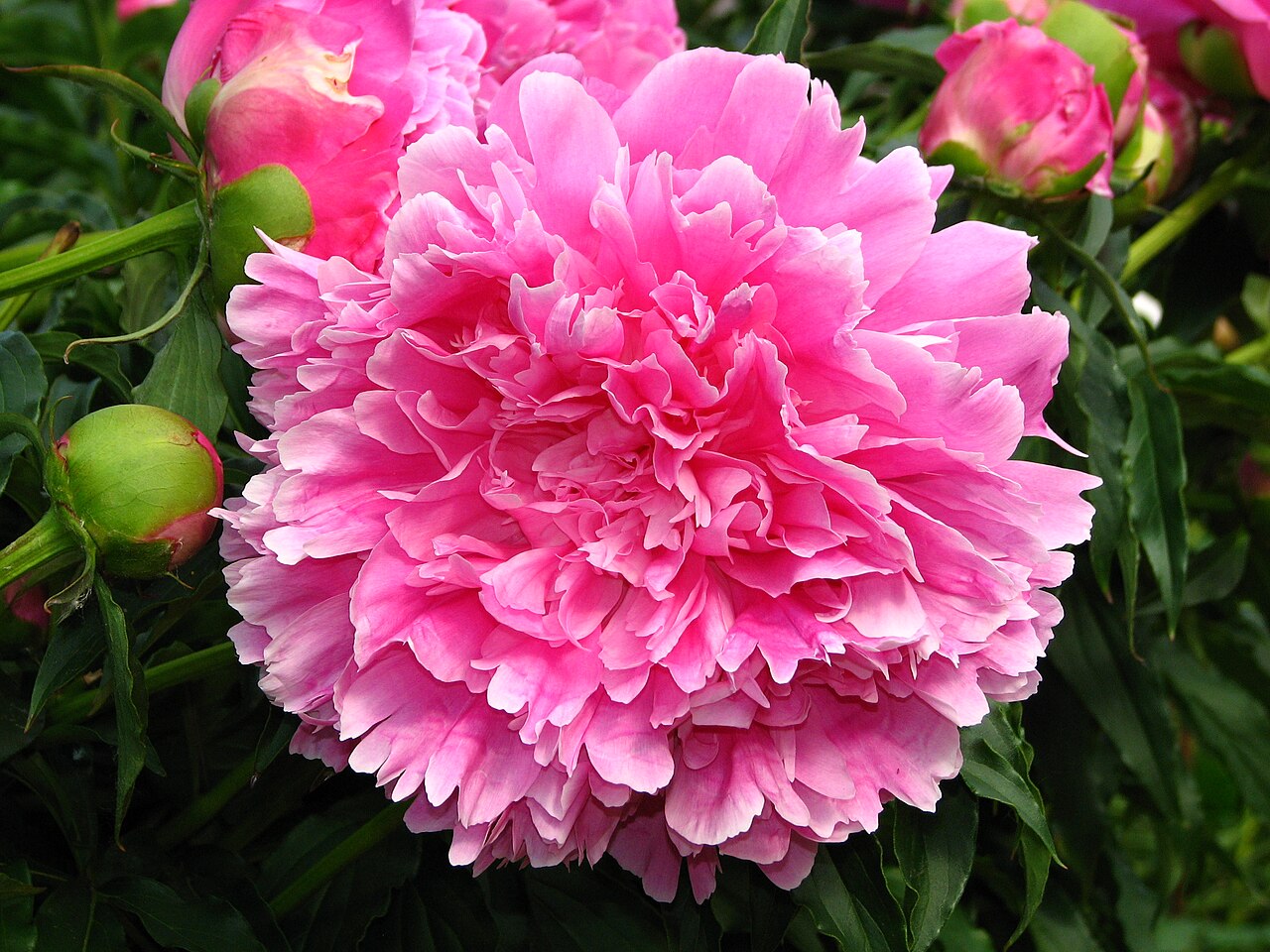
Peonies (Paeonia) are among the most rewarding perennials a gardener can plant, producing enormous, richly fragrant blooms in shades of white, pink, red, and coral for a few glorious weeks each late spring. What makes them especially worthwhile is longevity: a well-sited peony can live and flower for 50 years or more, often outliving the gardener who planted it, and largely without needing to be divided or replaced.
Herbaceous vs. Tree Peonies
Most garden peonies are herbaceous — they die back to the ground each winter and re-emerge from the crown in spring. Tree peonies (Paeonia suffruticosa), by contrast, have a permanent woody framework like a small shrub and don’t die back, giving earlier and often larger flowers. Intersectional or ‘Itoh’ hybrids combine traits of both, offering the flower power of tree peonies on herbaceous, easy-care plants that don’t need staking as much as older herbaceous varieties. For most gardens, standard herbaceous varieties such as ‘Sarah Bernhardt’ or ‘Festiva Maxima’ are the easiest and most forgiving starting point, and both have been garden favorites for over a century.
Site Selection
Peonies need a spot with full sun to very light shade — at least six hours of direct sun for the best flowering — and rich, well-drained soil. They resent being moved once established, so choose the permanent location carefully; a peony planted in the wrong spot may simply sulk for years rather than clearly failing. Good air circulation around the plant also helps prevent the fungal diseases peonies are somewhat prone to, so avoid cramming them against walls, fences, or dense shrubs where air can stagnate.
The Critical Rule of Planting Depth
More peonies fail to flower because of incorrect planting depth than for any other reason. The pink buds (eyes) on the root should be planted no more than 1-2 inches below the soil surface. Planted too deep, herbaceous peonies will produce lush foliage but few or no flowers, sometimes for years, while the gardener wonders what went wrong. If an established peony has stopped flowering and nothing else seems wrong, lifting and replanting it slightly shallower in autumn — being careful to work during the dormant season — often solves the mystery within a year or two.
Watering and Feeding
Once established, peonies are quite drought-tolerant, needing supplemental water mainly during dry spells and while the buds are swelling in spring. Feed lightly in early spring with a low-nitrogen, phosphorus-rich fertilizer — too much nitrogen produces abundant leaves at the expense of blooms. A yearly top-dressing of compost around, but not touching, the crown provides gentler, longer-lasting nutrition than concentrated chemical feeds, and also helps retain soil moisture through summer.
Staking and Supporting Blooms
The heavy, often rain-soaked flowers of many peony varieties can flop dramatically without support. Install a peony support ring early in spring while stems are still short, so the plant grows up through it and the framework disappears from view by flowering time. Trying to stake a peony after it has already flopped rarely looks tidy and can damage brittle stems; single-stem varieties with the heaviest double blooms benefit most from this kind of support.
Dealing with Ants and Botrytis
Gardeners often worry about the ants that swarm over peony buds, but they are harmless — they’re simply attracted to the sugary nectar the buds secrete and do not damage the plant, so there’s no need to spray or remove them before bringing cut flowers indoors. The real disease to watch for is botrytis blight, a fungal problem that causes buds to blacken and rot before opening, especially in cool, damp spring weather. Improve air circulation, avoid overhead watering, and remove any affected buds and foliage promptly, disposing of them in the trash rather than composting them.
Autumn Cutback and Care
Cut herbaceous peony foliage right down to the ground in autumn after it has died back or been blackened by frost, and clear away the debris — this single step is the best defense against botrytis and other fungal spores overwintering near the crown. Tree peonies, in contrast, should not be cut back, since flowers form on the previous year’s woody growth; simply remove any dead or damaged wood in spring once new growth reveals what survived winter.
Dividing and Cut Flowers
Peonies rarely need dividing and often sulk for a year or two afterward, so only divide to propagate new plants or if a clump has become overcrowded, ideally in early autumn. Lift the whole clump, and use a sharp, clean knife to separate sections with three to five eyes each. Replant immediately at the correct shallow depth, and be patient — divided peonies can take two or three seasons to flower well again. For cut flowers, harvest stems when buds feel like a soft marshmallow and just show color; picked at this ‘marshmallow stage,’ peonies will open beautifully in a vase and last up to a week.
This article may contain affiliate links. If you purchase a product through one of these links, Plantgecko may earn a commission at no extra cost to you. This never influences our editorial independence or which products we recommend.