Coneflower (Echinacea): The Healing Plant with Bloom Power
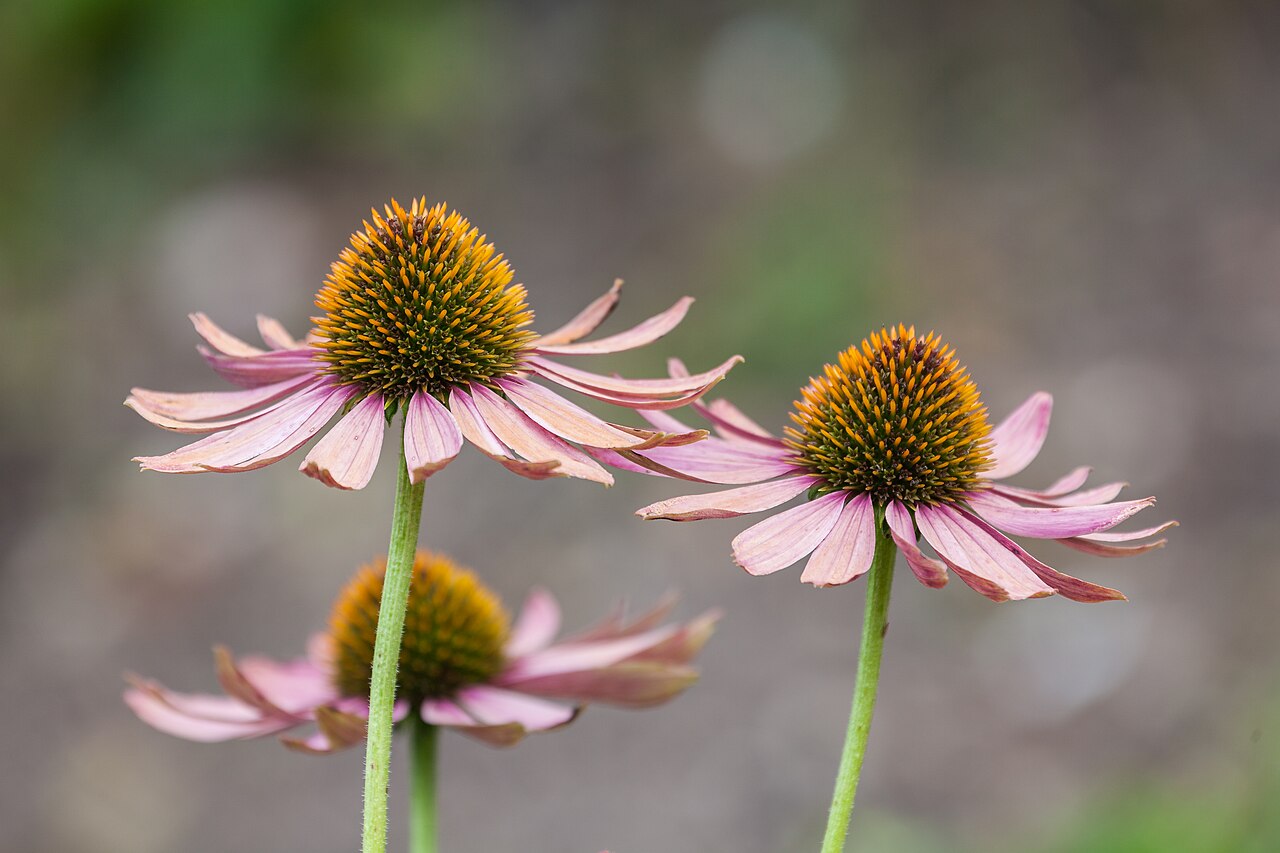
The coneflower (Echinacea purpurea), also known as purple coneflower, is a North American prairie perennial that has long since found a firm place in European gardens. With its striking purple flower heads and distinctive, hedgehog-like center, it is a true eye-catcher — and a valuable medicinal plant.
Botanical Features and Growth
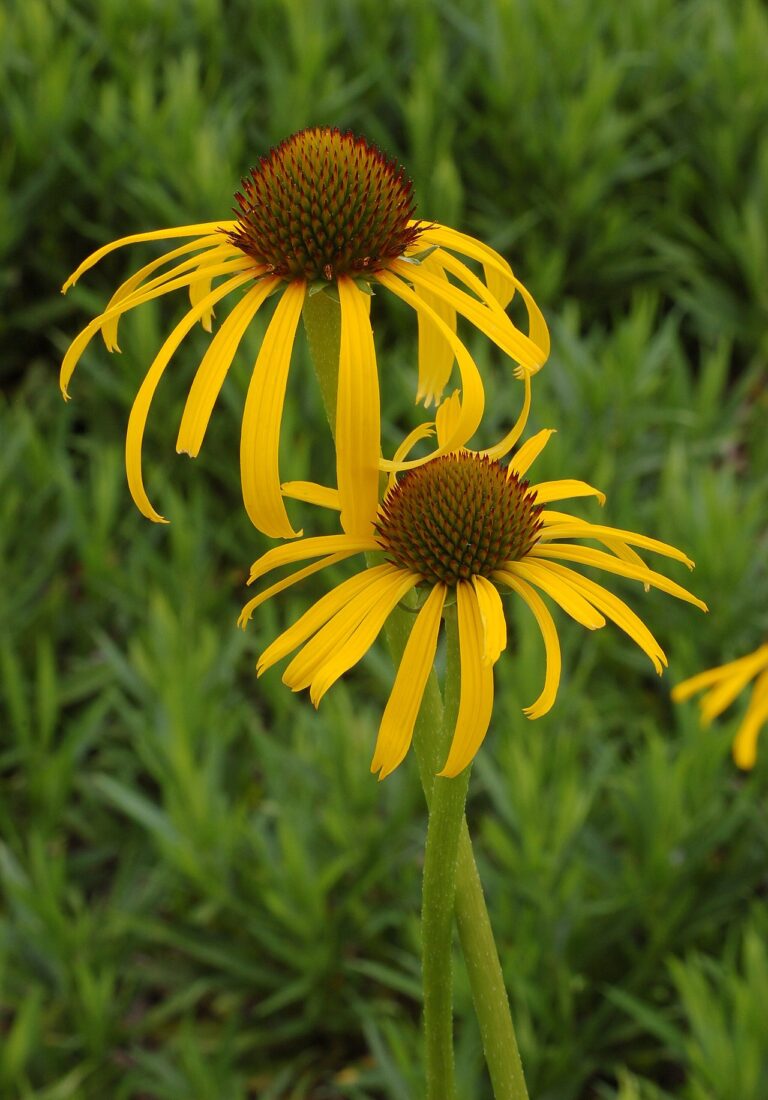
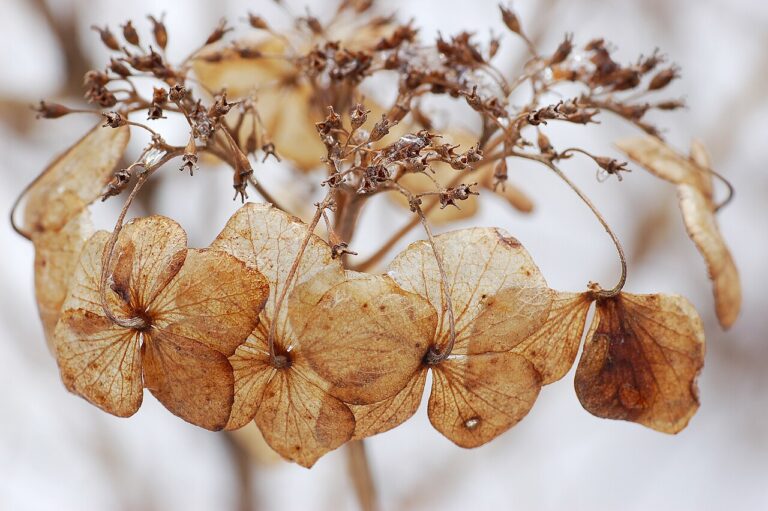
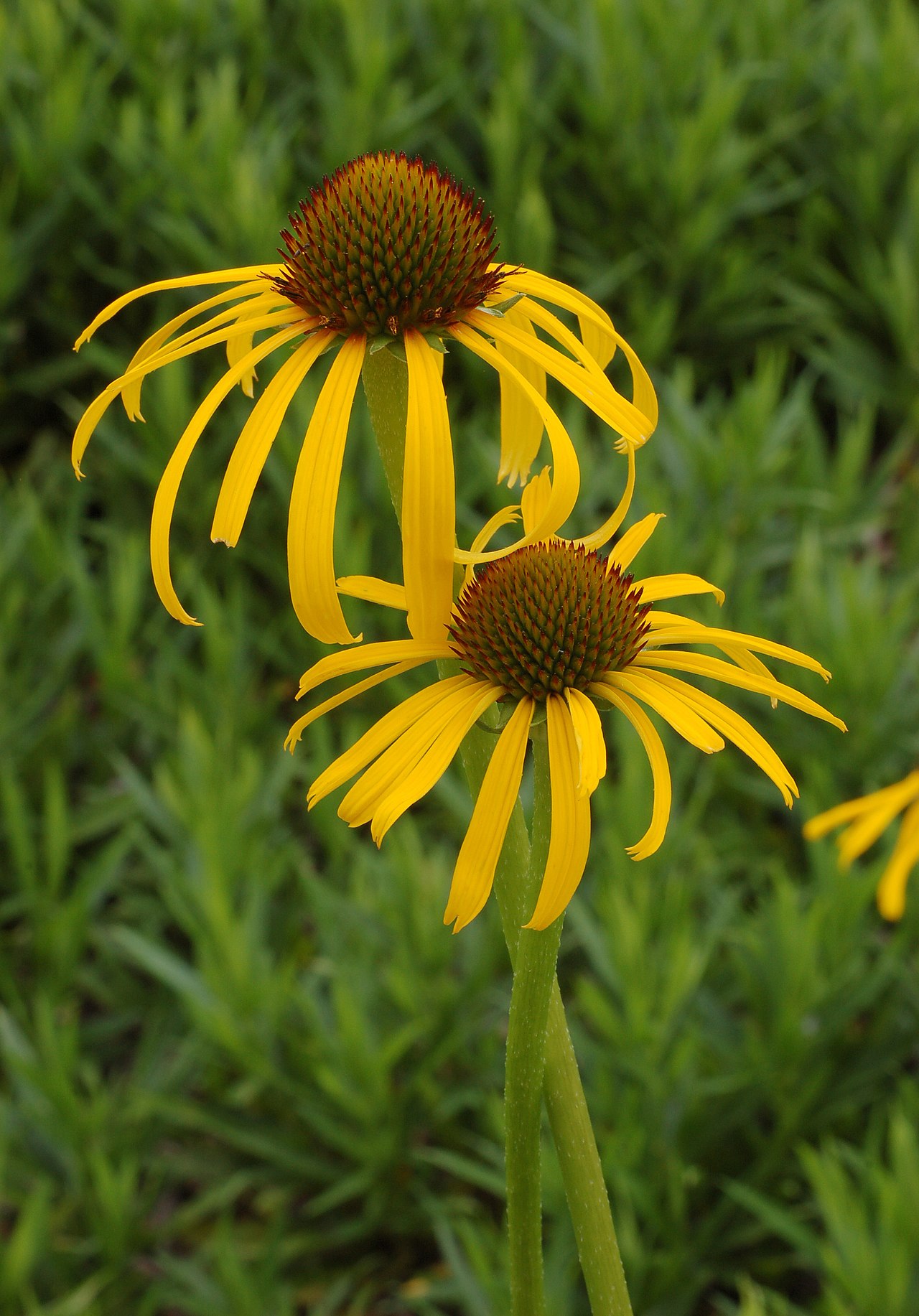
Echinacea purpurea grows 80 to 120 centimeters tall and forms upright, sturdy stems with dark green, lance-shaped leaves. It flowers from July to September. The flower heads consist of purple, slightly drooping ray florets that frame a dark brown to orange center cone, which resembles a small hedgehog — hence the name. After flowering, decorative seed heads form that remain attractive through winter and provide food for birds.
Site Requirements and Care
Coneflowers prefer full sun to partial shade and thrive best in nutrient-rich, well-drained soil. Once established, they are remarkably drought-tolerant — a legacy of their prairie homeland. Regularly deadheading spent flowers considerably extends the blooming period. Cut the plants back only in late winter or early spring, so the seed heads remain as a structural feature in the bed over winter and offer shelter to insects.
Medicinal Benefits and Garden Uses
Echinacea is one of the best-known medicinal plants for supporting the immune system. In herbal medicine, the root and above-ground parts are used, mainly for preventing and treating colds. Scientific studies confirm the immune-stimulating effect, particularly of alcoholic extracts from the fresh plant. In the garden, coneflower pairs beautifully with other prairie perennials such as bee balm (Monarda), sneezeweed (Helenium), or blazing star (Liatris). Combining it with yellow black-eyed Susans or blue globe thistles creates a particularly harmonious prairie bed. It also makes an excellent cut flower and can last up to two weeks in a vase.
This article may contain affiliate links. If you purchase a product through one of these links, Plantgecko may earn a commission at no extra cost to you. This never influences our editorial independence or which products we recommend.