Hostas (Hosta): Leafy Beauties for the Shade
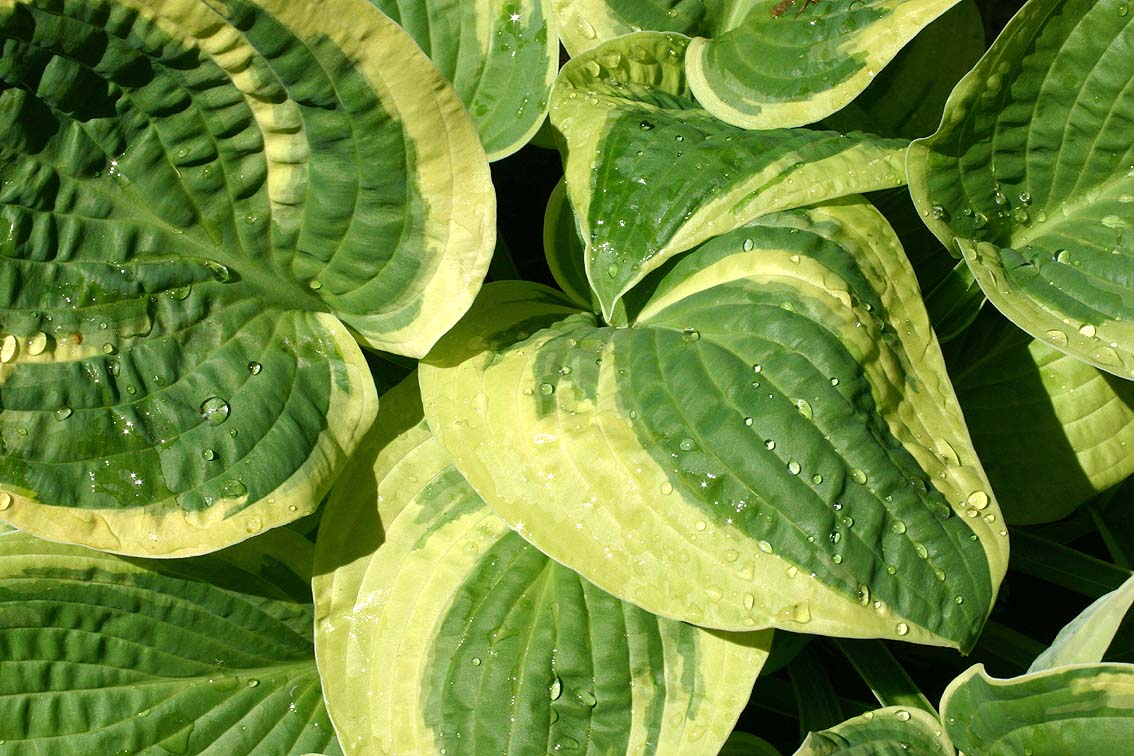
Hostas, botanically the genus Hosta, are the undisputed queens of shade beds. While many perennials struggle in partial or full shade, hostas truly come into their own there. Their decorative leaves, in countless shades of green, blue, and yellow, make them indispensable design elements for shady corners of the garden.
Leaf Diversity and Varieties
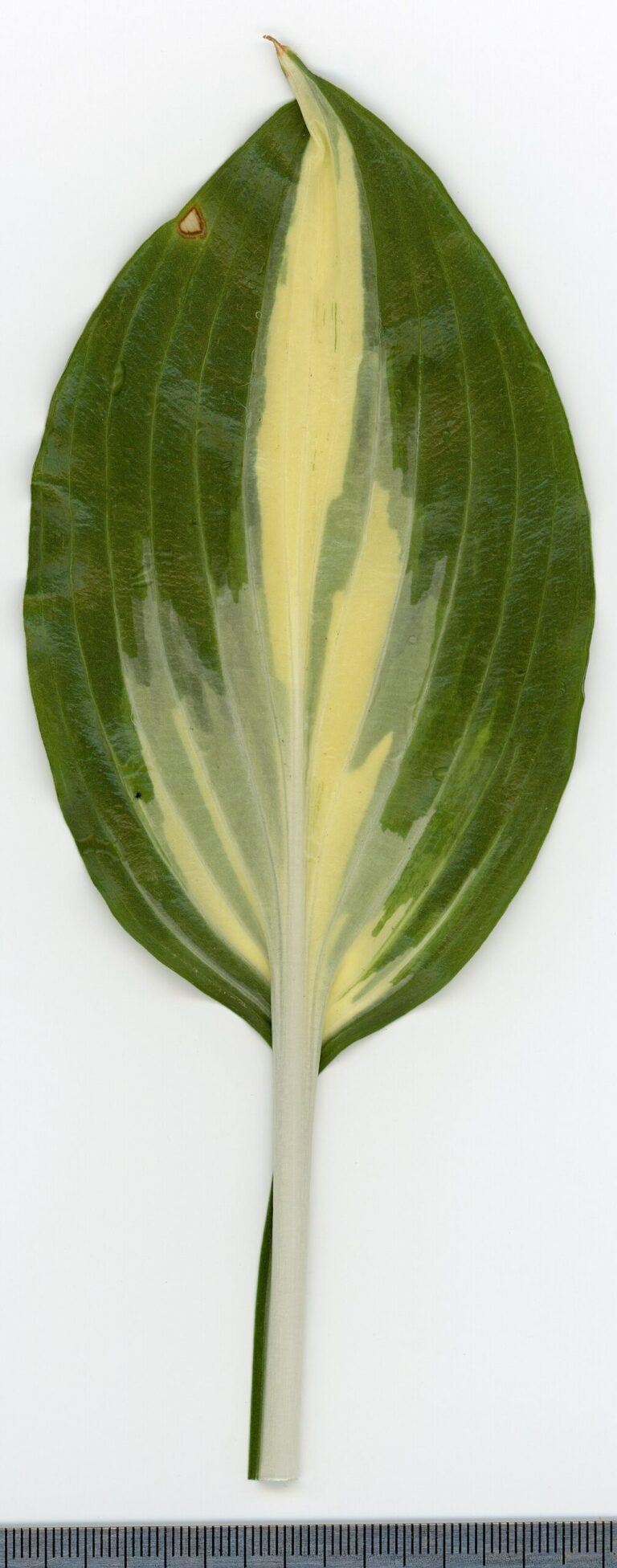
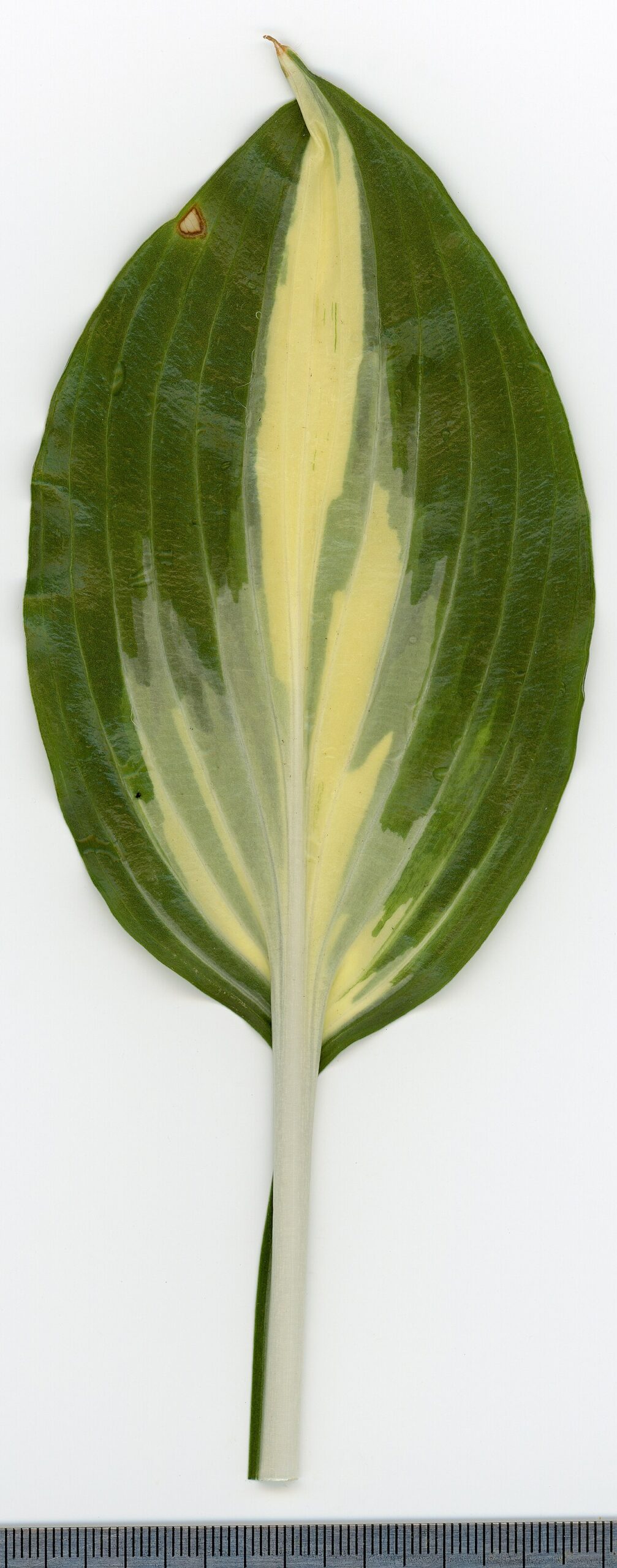
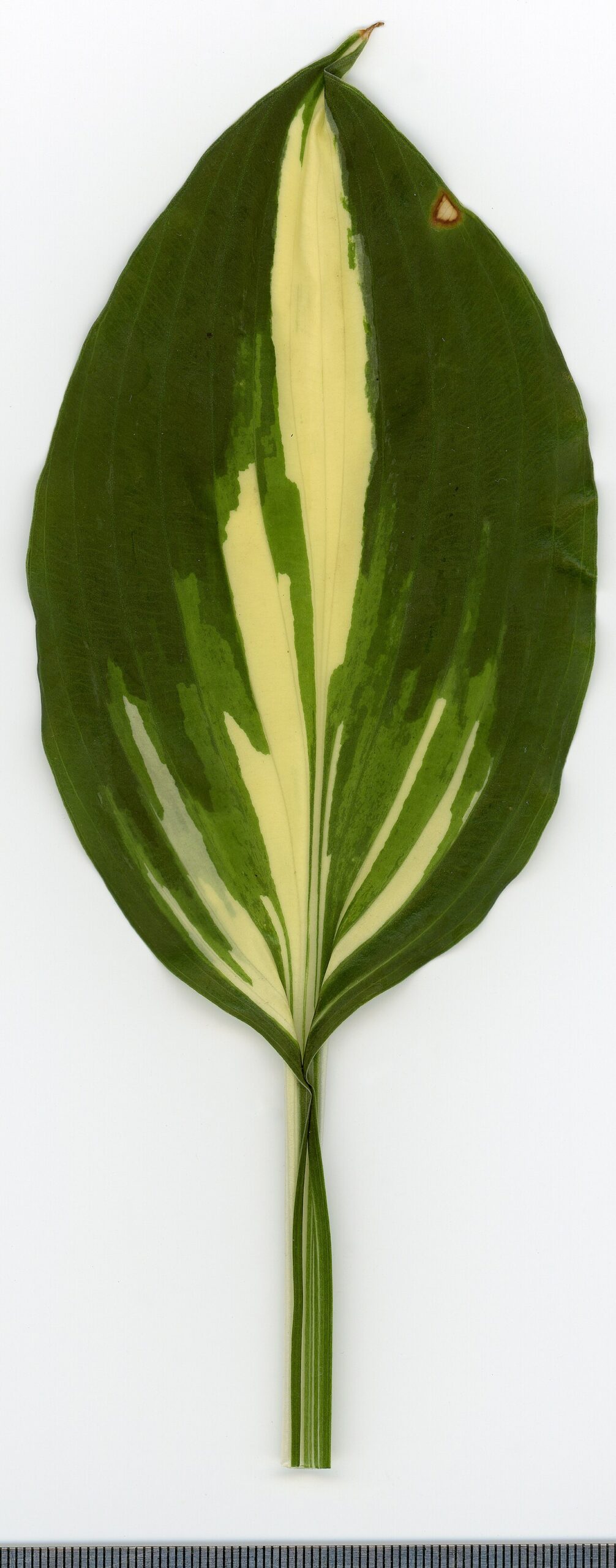
The genus Hosta comprises around 45 species and thousands of cultivars, with leaf sizes ranging from a dainty 5 cm to a massive 60 cm. Particularly popular are blue-frosted varieties such as ‘Halcyon’ or ‘Blue Angel’, whose leaves take on an almost otherworldly color thanks to a waxy coating. Yellow-leaved varieties like ‘Sum and Substance’ add bright accents to the shade, while variegated varieties such as ‘Patriot’ provide contrast with white-edged leaves. Leaves can be heart-shaped, lance-shaped, smooth, or wavy — the variety seems endless.
Location and Soil
Hostas love humus-rich soil that stays fresh to moist, with good water retention. Strong morning sun is tolerated, but harsh midday sun causes leaf scorch. Blue-leaved varieties keep their color best in deep shade, while yellow-leaved varieties need a bit more light to develop their bright color. A location protected from slugs and snails is crucial for healthy plants — hostas are unfortunately a favorite food of these voracious mollusks.
Care and Planting Companions
Aside from controlling slugs, care is minimal: a mulch layer of leaf compost supplies nutrients and keeps the soil moist. Depending on the variety, lilac or white bell-shaped flowers appear from June to August and attract bumblebees. In the bed, hostas pair wonderfully with ferns, astilbes, bleeding hearts, and hellebores. They are also perfectly suited to containers on shady patios, especially compact varieties like ‘Blue Mouse Ears’, which enchants with its small, rounded, blue-gray leaves.