Caring for African Violets: Tips for Lasting Blooms
African Violets – Little Flowering Wonders for Your Windowsill
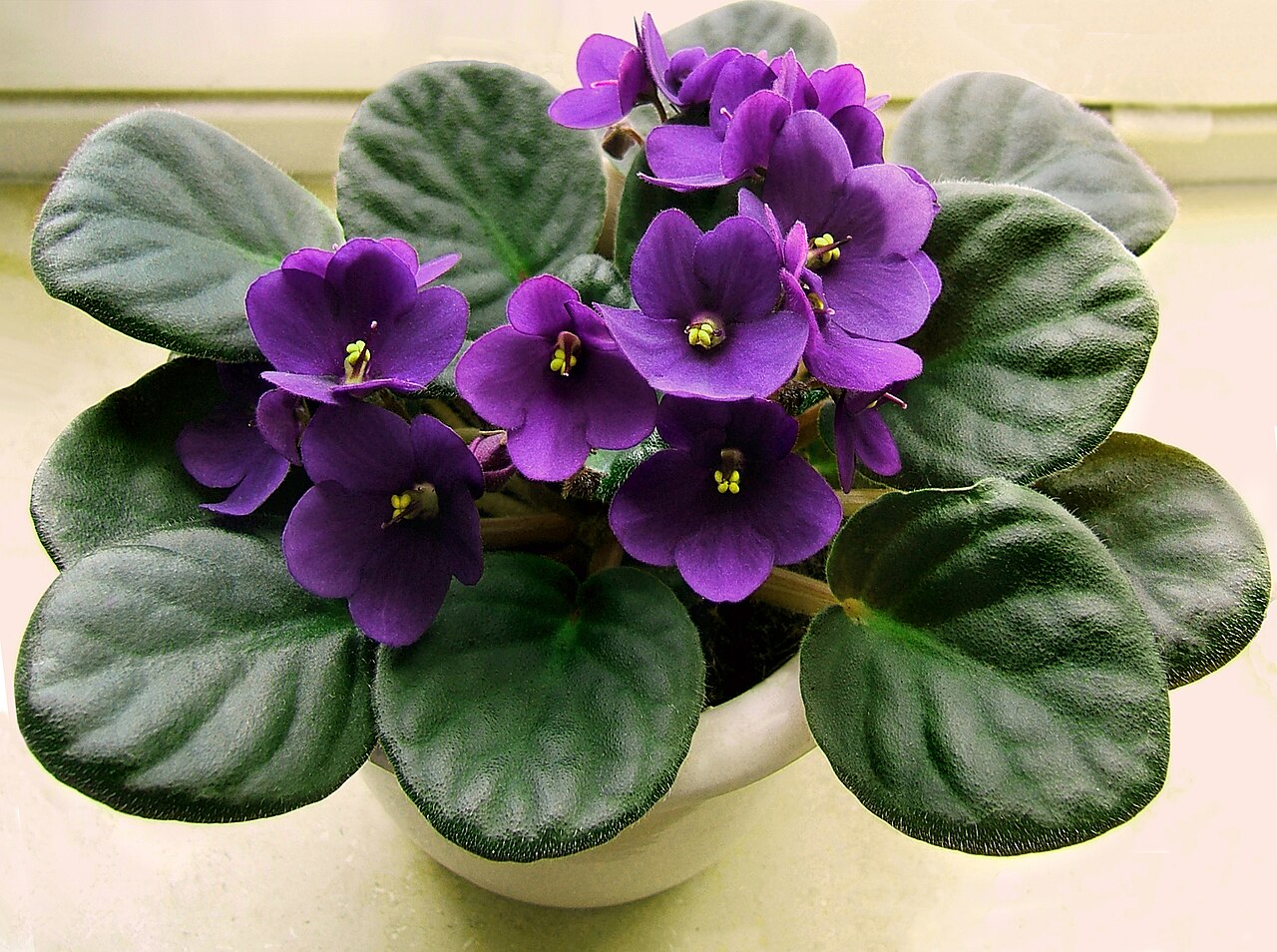
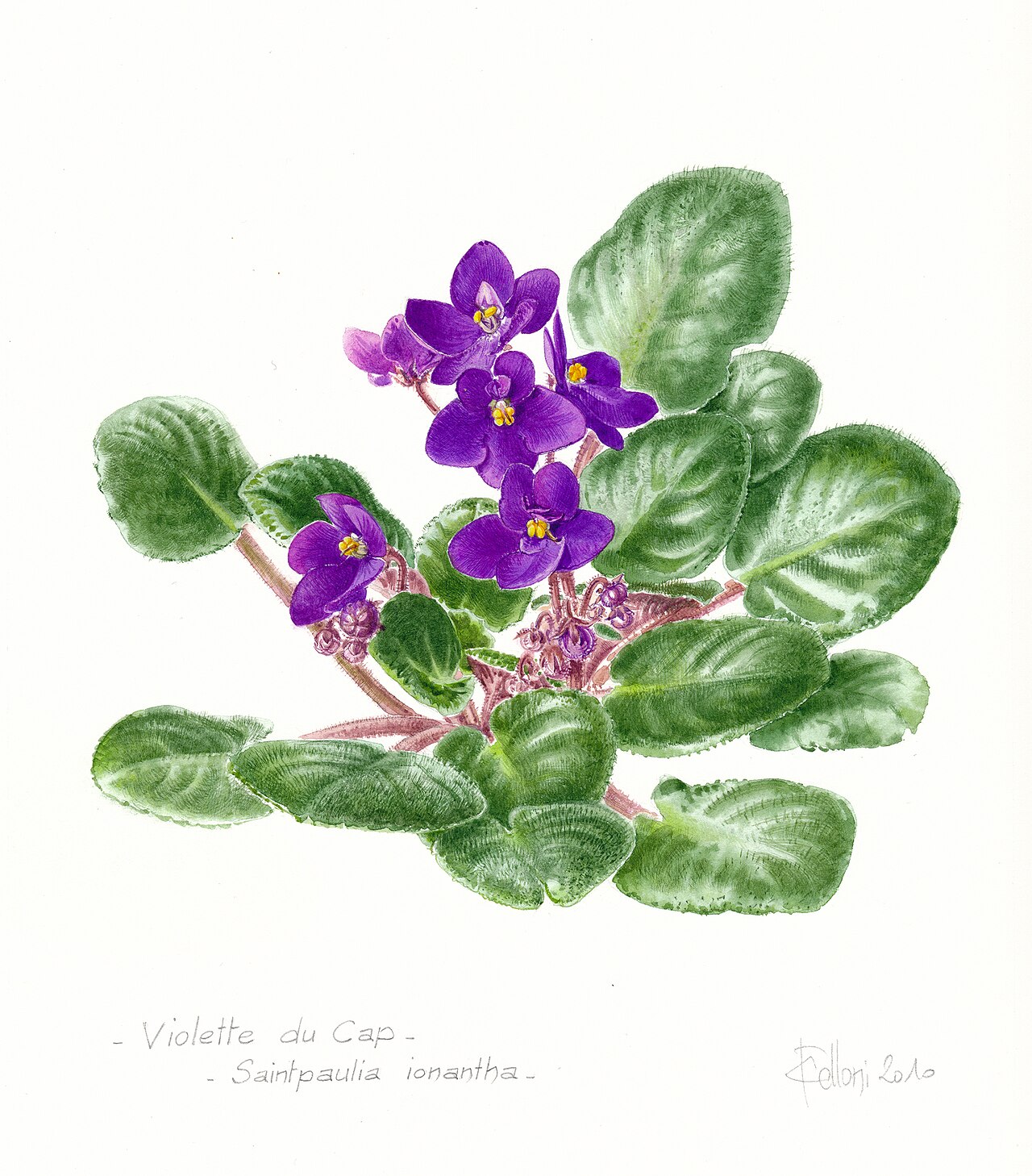
The African violet (Saintpaulia ionantha) is one of the most charming flowering houseplants. With its velvety leaves and vibrant blooms in white, pink, violet, or blue, it brings color to any windowsill. Originally native to the Usambara Mountains in Tanzania, it is now a popular houseplant worldwide. With good care, it blooms almost year-round.
The Perfect Location
African violets like a bright spot without direct sunlight. An east- or north-facing window is ideal. Direct midday sun will scorch the delicate leaves. The optimal temperature is between 20 and 24°C — below 16°C and above 27°C, the plant stops growing. Important: avoid drafts and large temperature swings.
Watering Correctly – The Golden Rule
The most important rule of care: never water African violets from above, onto the leaves! Water spots on the velvety leaves cause unsightly brown marks and rot. Water only from below, through the saucer, or briefly dip the pot in water. Use room-temperature, low-lime water. The soil should be lightly moist but never soggy. A self-watering pot is ideal for maintaining even moisture.
Fertilizing for Non-Stop Blooms
African violets bloom continuously and need regular nutrients to keep it up. Fertilize every two weeks from March to October with a specialized African violet fertilizer or a potassium-rich flower fertilizer at half strength. In winter, fertilizing once every four weeks is enough, as long as the plant is still blooming.
The Right Soil
Use loose, humus-rich soil with good drainage. Specialized African violet soil is ideally balanced for this purpose. Alternatively, mix potting soil with perlite and a little sand. The pH should be slightly acidic (5.5-6.5).
Repotting – When and How?
Repot your African violet once a year in spring — even if it hasn’t grown much. Fresh soil provides new nutrients. The pot shouldn’t be too large; African violets bloom better when their roots are somewhat cramped. When repotting, remove old, wilted leaves from the base.
Propagation by Leaf Cuttings
Propagation is easy: cut off a healthy, mature leaf with about 3 cm of stem and insert it into moist seed-starting soil. Cover the pot with a clear plastic dome and place it in a bright, warm spot (22-25°C). After 4-8 weeks, small plantlets will appear at the base. A small indoor greenhouse creates ideal conditions.
Common Problems
No blooms: Usually too little light or a lack of nutrients. Move the plant to a brighter spot and fertilize regularly.
Brown leaf spots: Water on the leaves — water only from below.
Root rot: Overwatering — let the soil dry out a bit, and repot in severe cases.
Mealybugs: Small white cottony tufts in the leaf axils — treat with neem oil.
Color Variety and Cultivars
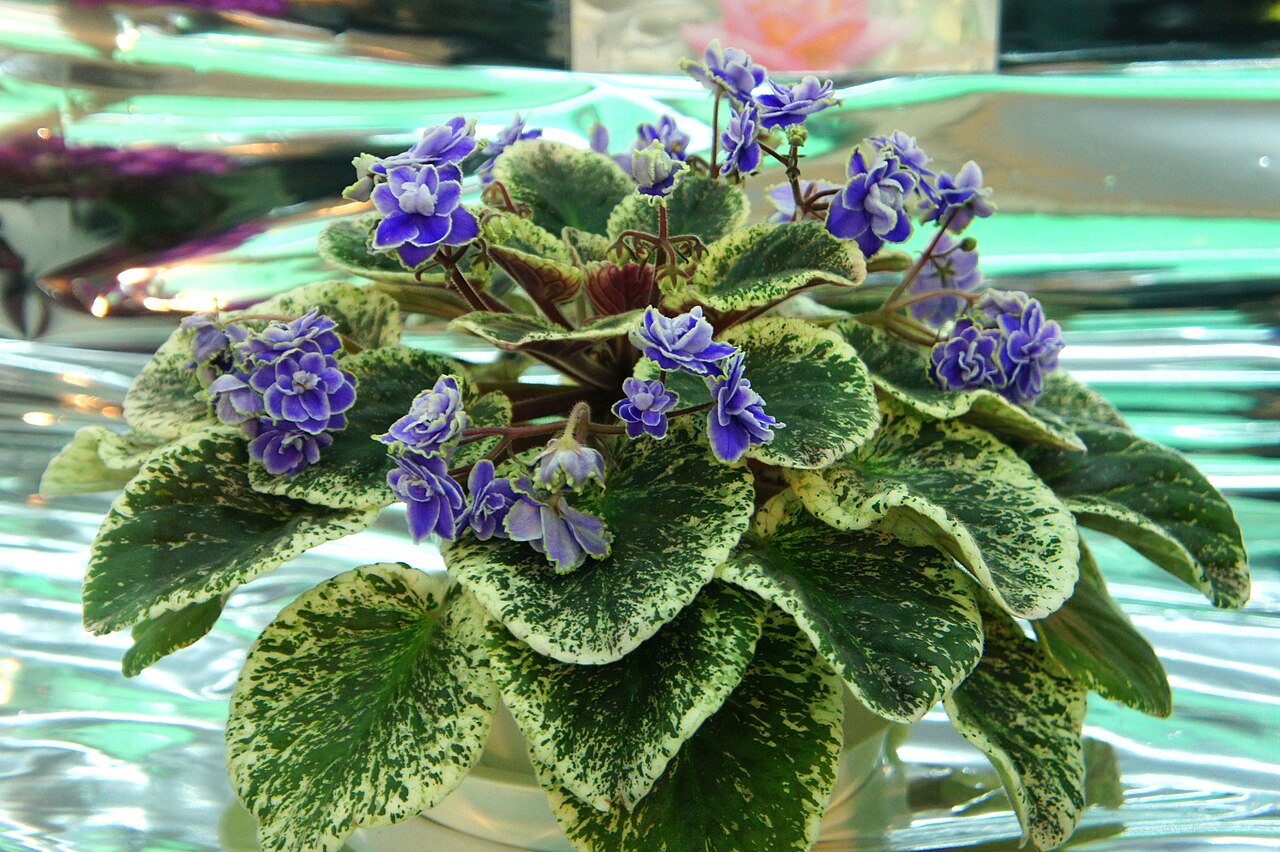
There are hundreds of cultivars with single, double, or fringed blooms. Popular varieties include ‘Optimara’, ‘Rhapsodie’, and ‘Rob’s’. When buying, look for compact plants with plenty of buds. A blooming African violet also makes a wonderful gift.
Conclusion
The African violet is a rewarding houseplant that blooms almost year-round. The most important rule: water only from below! With the right location and regular, moderate fertilizing, it will reward you with a true abundance of blooms.