Calathea Care – The Fascinating Prayer Plant with Wow Factor
Calathea – The Fascinating Prayer Plant with Wow Factor
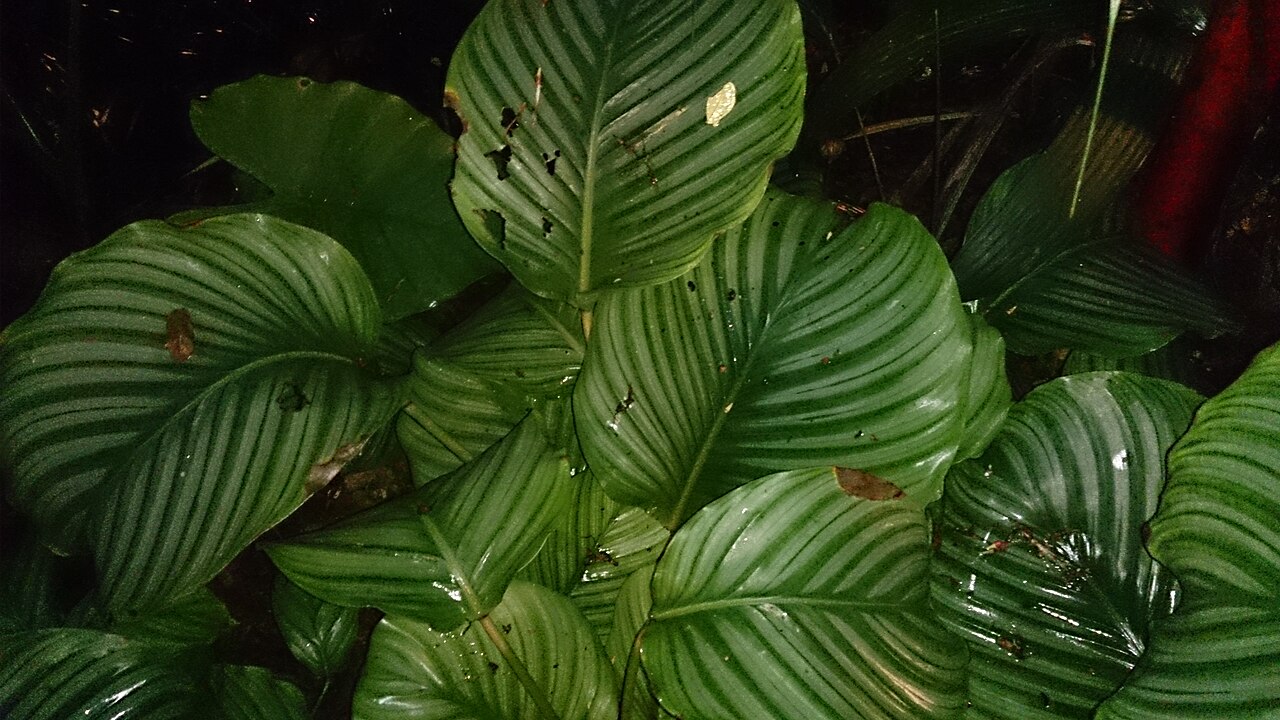
The Calathea is one of the most fascinating foliage plants in the world. Its large, oval leaves are adorned with intricate patterns in shades of green, silver, pink, and purple that almost look hand-painted. No two leaves are alike, and the color nuances shift depending on the light. Especially impressive: Calathea is one of the plants that move their leaves daily. In the evening, the leaves fold upward (as if “praying”), and in the morning they lower again — a fascinating spectacle that has earned the plant its nickname, the “prayer plant.” Here’s how to properly care for this demanding beauty.
Location and Light – The Key to Success
Calathea comes from the tropical understory of Brazilian rainforests and therefore prefers a partially shaded to shaded location. Direct sunlight causes the elaborate leaf patterns to fade and can lead to leaf burn. A north-facing window or a spot a few meters back from a window is ideal. Too little light is rarely a problem — Calathea is one of the most shade-tolerant houseplants around.
The optimal temperature year-round is 20–25°C. Temperatures below 15°C and cold drafts are absolutely off-limits and cause irreversible leaf damage. Special attention should be paid to humidity: Calathea needs a humidity level of at least 60%, ideally 70%. Daily misting, placing the plant in a bathroom, or using a humidifier are the most important care measures here.
Proper Watering
Calathea is a thirsty plant that needs a consistently moist, but never soggy, root ball. Water as soon as the top layer of soil has dried out slightly — roughly twice a week in summer, less often in winter. An absolute must: use only low-lime water. Rainwater, distilled water, or filtered water are ideal. Tap water high in lime causes brown leaf edges and is one of the most common causes of an ailing Calathea.
The water should also be at room temperature — cold water straight from the tap shocks the tropical roots and slows growth. A good drainage layer of expanded clay pellets in the pot also prevents harmful waterlogging, which can lead to root rot.
Fertilizing and Nutrient Supply
During the growth phase from April to September, Calathea needs a weak fertilizer solution every two weeks. Use a nitrogen-focused foliage plant fertilizer, but only at half strength. Calathea is very sensitive to over-fertilizing, which shows up as brown, scorched-looking leaf edges. In winter, fertilizing is stopped completely.
Repotting and Substrate
Calathea should be repotted every year in spring. It prefers a loose, humus-rich, and slightly acidic substrate (pH 5.5–6.5). A good mix consists of potting soil, a bit of orchid substrate, and perlite or vermiculite for drainage. Use wide, relatively shallow pots, since Calathea has a flat root system.
Leaf Care and Common Problems
Calathea’s large leaves are not only beautiful but also sensitive. Wipe them regularly with a soft, damp cloth to remove dust. Do not use leaf-shine sprays — they clog the leaf’s pores and do more harm than good.
| Problem | Cause | Solution |
|---|---|---|
| Brown leaf edges | Lime-rich water or dry air | Use low-lime water; increase humidity |
| Curled leaves | Lack of water or too much light | Water; check the location |
| Fading patterns | Too much direct light | Choose a shadier spot |
| Drooping leaves | Temperature too low or drafts | Choose a warmer, sheltered location |
| Spider mites | Air too dry | Increase humidity drastically |
Conclusion: A Diva with Addictive Charm
Calathea is not a plant for absolute beginners, but with the right knowledge and a bit of dedication, it becomes the most spectacular plant in your collection. The three most important success factors are high humidity, low-lime water, and a shady location. With the right fertilizing at half strength, the leaves develop their full splendor of color. Anyone who meets these conditions will be rewarded with a plant whose leaf patterns look like living works of art.