Monstera Deliciosa (Swiss Cheese Plant): The Complete Care Guide
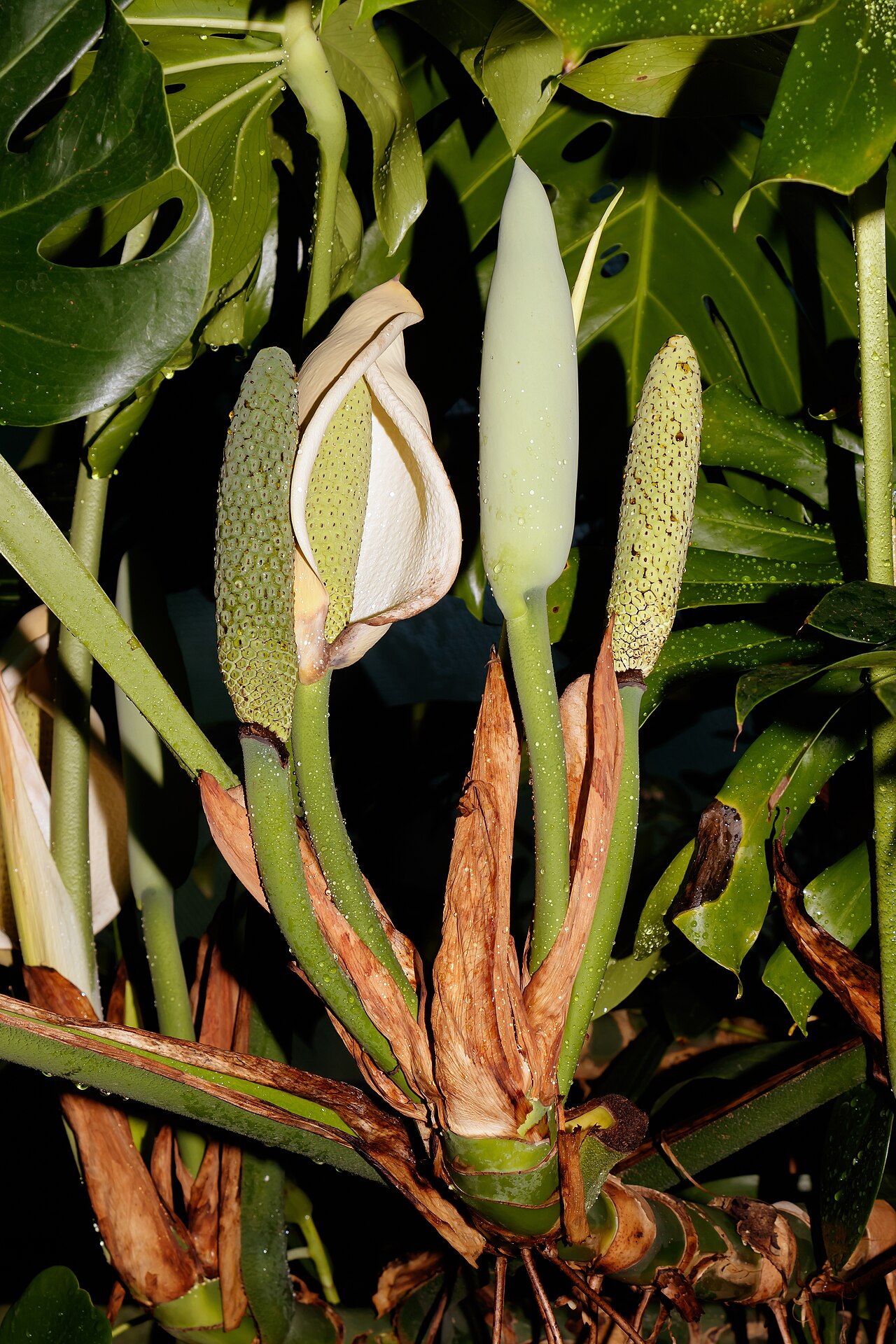
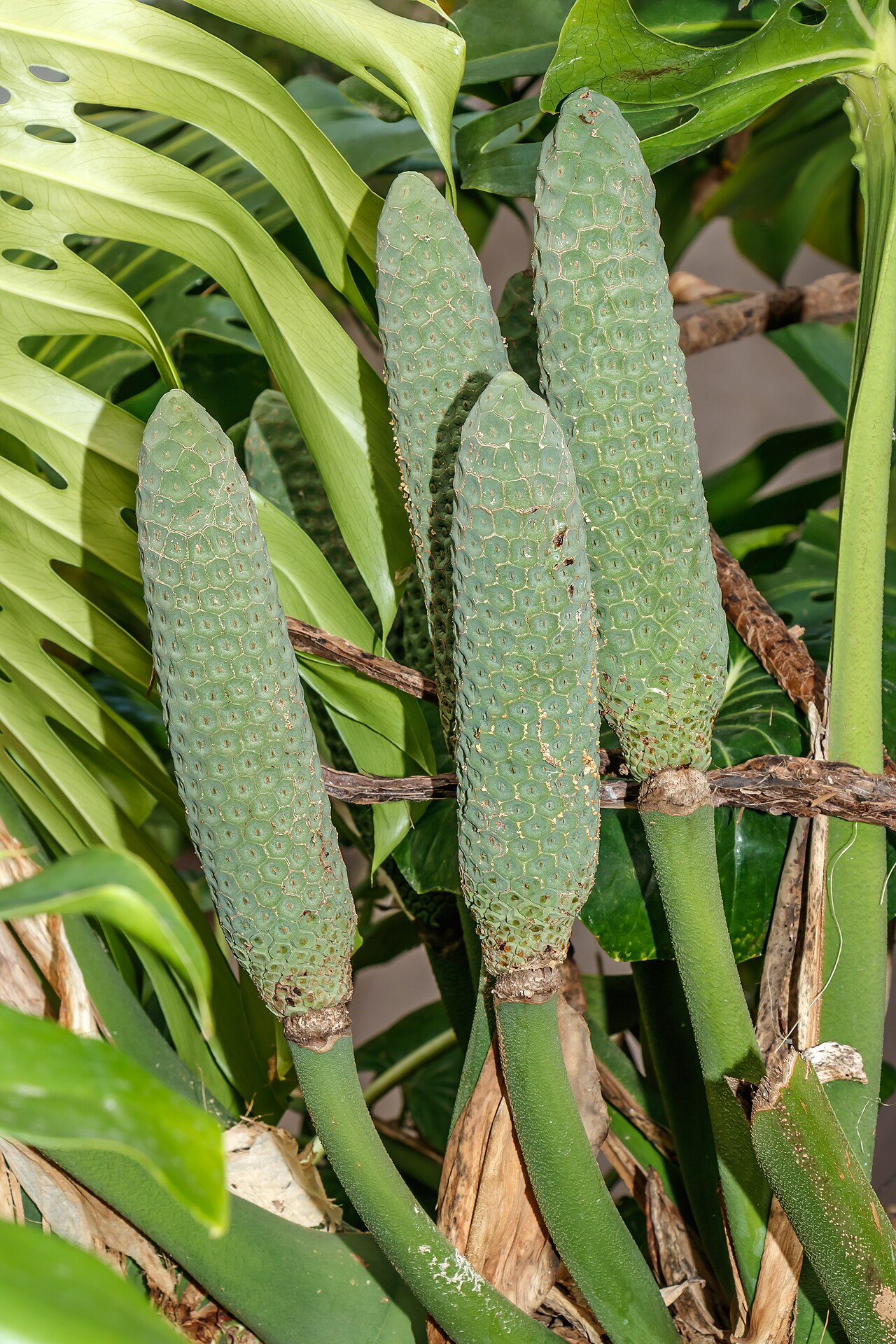
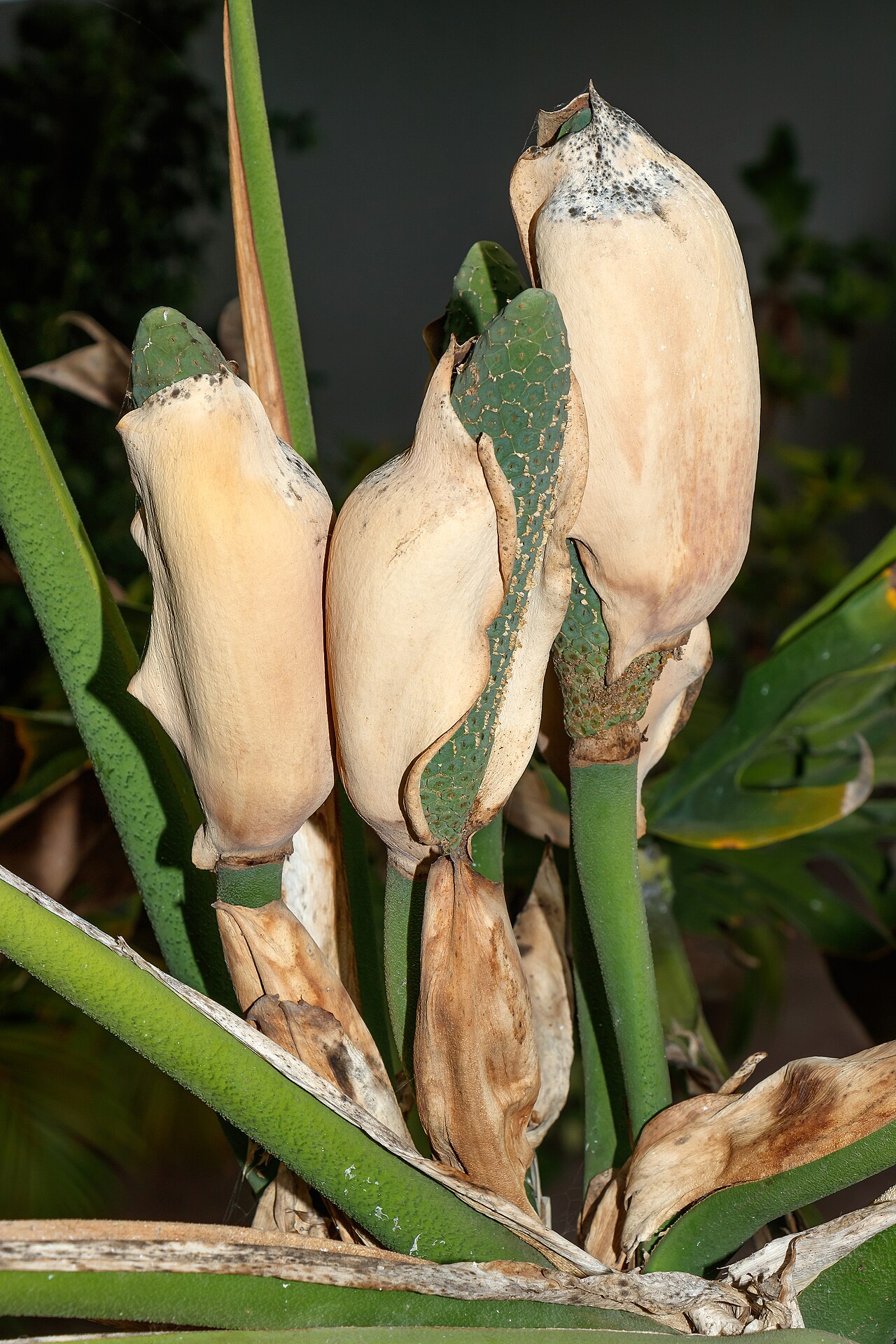
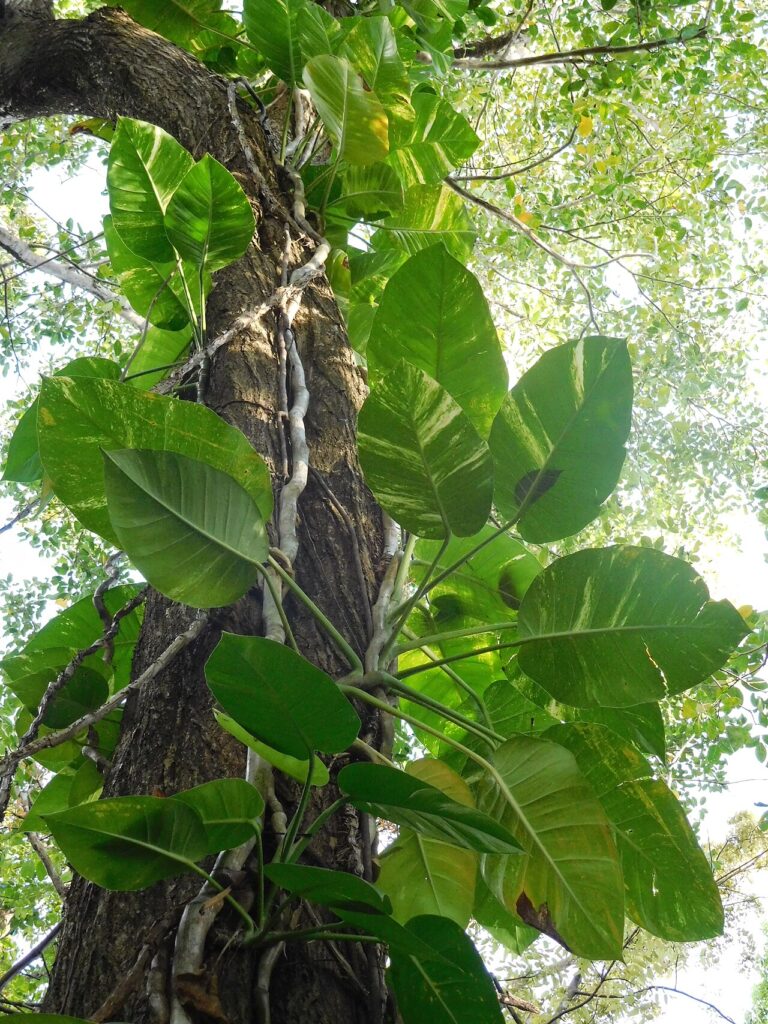
Monstera deliciosa, often called the Swiss cheese plant for the natural splits and holes (fenestrations) that develop in its mature leaves, is one of the most popular houseplants in the world. Native to the tropical forests of southern Mexico and Panama, it grows as a climbing vine in the wild, using aerial roots to scale trees toward the forest canopy. Indoors, it adapts well to average home conditions, which is a big part of its appeal.
Light and Placement
Monstera thrives in bright, indirect light, similar to the dappled sunlight it would receive under a rainforest canopy. A spot a few feet back from an east- or south-facing window is ideal. Too little light slows growth and results in smaller leaves with fewer of the characteristic splits, since fenestration only develops on mature leaves that receive adequate light. Direct, intense afternoon sun can scorch the foliage, leaving brown, crispy patches, so filter harsh rays with a sheer curtain if needed.
Watering, Soil, and Humidity
Allow the top 1-2 inches of soil to dry out between waterings, then water thoroughly until liquid runs from the drainage holes. Overwatering is the most common cause of trouble, leading to yellowing leaves and root rot, while consistently soggy soil will kill a Monstera faster than occasional under-watering. Reduce watering frequency in fall and winter when growth slows.
A well-draining, chunky potting mix is essential. A blend of standard potting soil with perlite, orchid bark, and a little horticultural charcoal mimics the loose, airy substrate the plant’s roots prefer in nature and helps prevent waterlogging. Always use a pot with drainage holes.
Monstera tolerates average household humidity but grows lusher with more moisture in the air. Aim for 50-60% humidity where possible, achieved with a humidifier or by grouping plants together. Normal room temperatures between 65-85°F (18-29°C) suit it well; avoid cold drafts, air-conditioning vents, and temperatures below 50°F (10°C).
Feeding and Support
Feed with a balanced, water-soluble houseplant fertilizer diluted to half strength every four to six weeks during spring and summer, and stop feeding in winter. As a climbing aroid, Monstera benefits greatly from a moss pole or trellis to climb; providing vertical support encourages larger, more deeply fenestrated leaves than letting the plant trail, because the aerial roots can attach and the plant matures faster when it can climb.
Common Problems
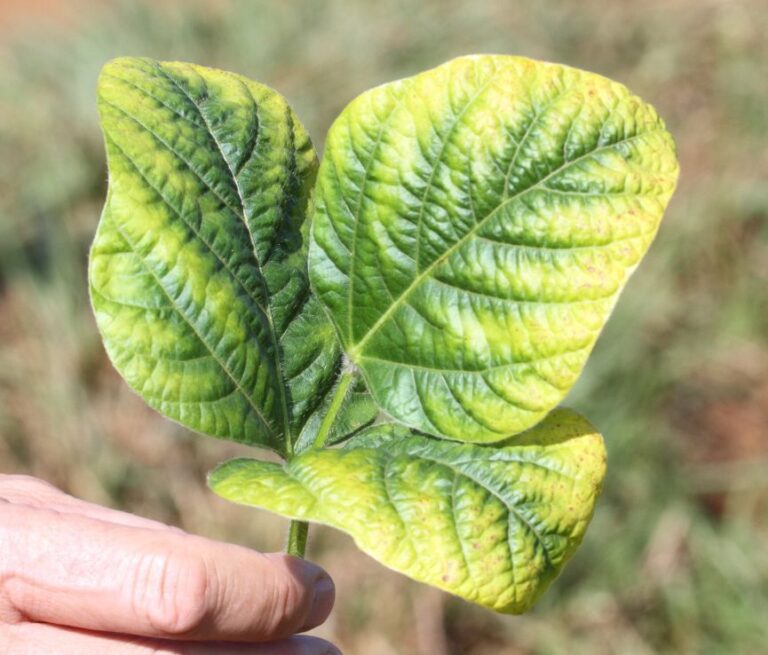
- Yellow leaves: Usually a sign of overwatering or poor drainage. Check the roots for rot and let the soil dry out more between waterings.
- Brown, crispy leaf edges: Often caused by low humidity, underwatering, or too much direct sun.
- No fenestrations (holes): Young plants naturally have solid leaves; splits appear as the plant matures and receives enough light. Patience and bright light are the fix, not more water or fertilizer.
- Pests: Spider mites and mealybugs occasionally appear. Wipe leaves down periodically and treat infestations with insecticidal soap or neem oil.
Propagation
Monstera is easy to propagate from stem cuttings. Cut a section that includes at least one node and, ideally, an aerial root, using clean, sharp shears. Place the cutting in water or moist sphagnum moss, keep it warm and in bright indirect light, and roots typically form within a few weeks. Once roots are a couple of inches long, pot the cutting into well-draining soil.
Note that Monstera deliciosa is toxic to cats, dogs, and humans if ingested due to calcium oxalate crystals, so keep it out of reach of curious pets and small children.
This article may contain affiliate links. If you purchase a product through one of these links, Plantgecko may earn a commission at no extra cost to you. This never influences our editorial independence or which products we recommend.