Ficus elastica (Rubber Plant): A Robust Beauty for Your Home
The rubber plant (Ficus elastica) is a striking houseplant known for its large, glossy, thick leaves that can range from deep green to burgundy depending on variety. Native to tropical Asia, where it grows into a substantial tree, it adapts well to container life indoors and can become a dramatic architectural feature in a bright room.
Light Needs
Rubber plants do best in bright, indirect light, though they are more tolerant of lower light than many other ficus species. Variegated varieties need brighter light to maintain their leaf patterning, while solid dark green types cope better in dimmer corners. Avoid intense, direct midday sun, which can scorch the glossy leaves.
Watering
Allow the top 2.5 to 5 cm (1 to 2 inches) of soil to dry out between waterings, then water thoroughly until it drains from the bottom of the pot. Rubber plants are sensitive to both extremes – overwatering causes root rot and leaf drop, while prolonged underwatering causes leaves to droop and eventually shed. Reduce watering frequency in winter when growth slows.
Soil and Potting
A well-draining, general-purpose potting mix with added perlite works well. Rubber plants tolerate being slightly root-bound and don’t need frequent repotting; refresh the pot every two years or so, or when roots are visibly crowding the container.
Leaf Care
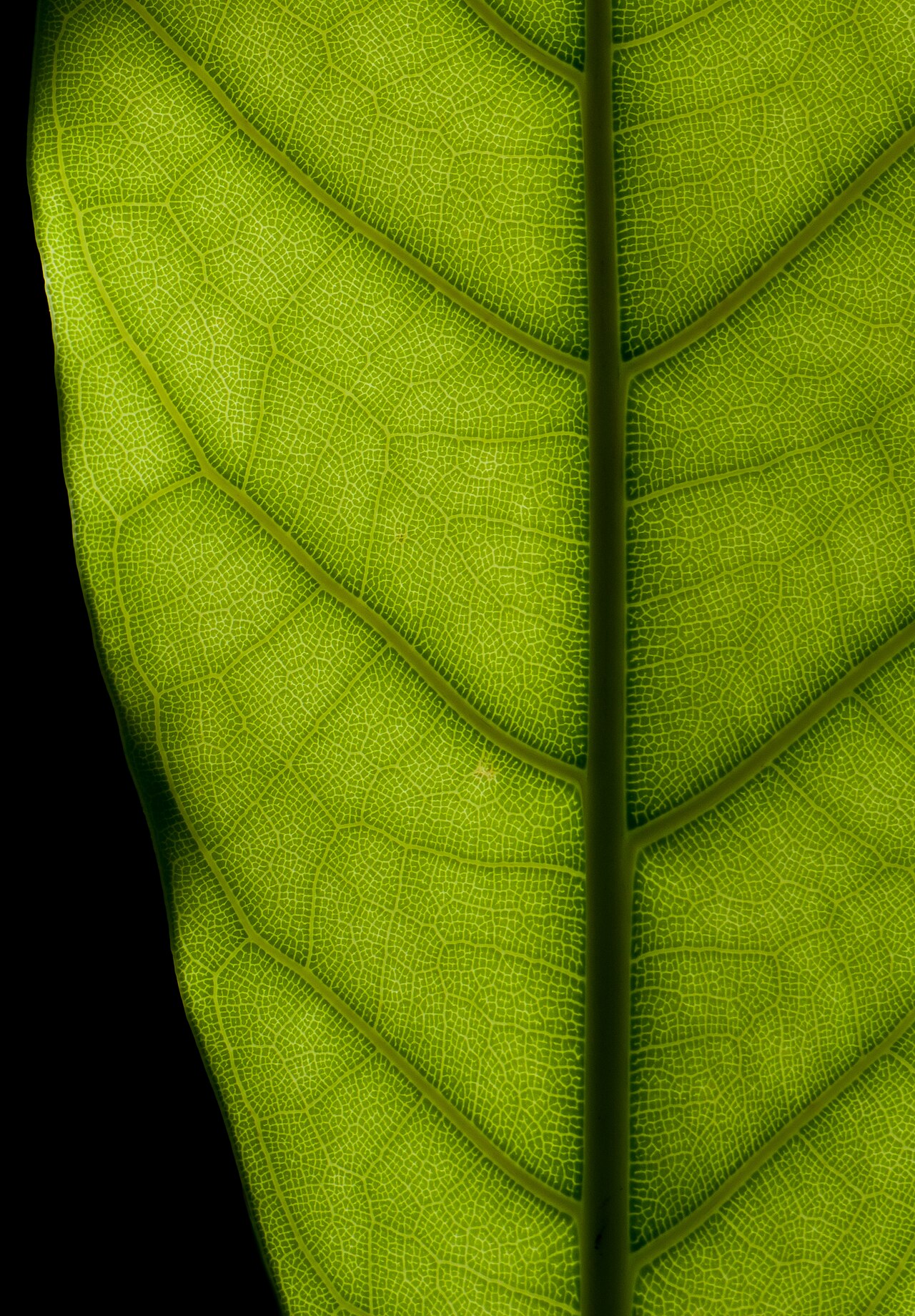
Because of their large surface area, rubber plant leaves accumulate dust, which can reduce the light they absorb for photosynthesis. Wipe leaves gently with a damp cloth every few weeks – this also gives you a chance to spot early signs of pests hiding on the undersides.
Feeding
Feed with a balanced liquid houseplant fertilizer every four to six weeks during spring and summer active growth, and pause feeding in autumn and winter when growth naturally slows.
Pruning and Shaping
Rubber plants can grow tall quickly in good conditions. Pinch or prune the growing tip to encourage bushier, multi-stemmed growth rather than a single leggy trunk, and prune back an overly tall plant in spring to control height – new growth typically emerges just below the cut.
Propagation
Stem cuttings root reasonably well in water or moist potting mix, though the process can be slow. Air layering is a particularly effective method for a mature plant: wound a section of stem, wrap it in moist sphagnum moss and plastic wrap, and roots will develop at the wound site over several weeks, after which the rooted section can be cut off and potted independently.
A Note on the Sap
Rubber plants get their common name from the milky latex sap that oozes from cut or damaged stems and leaves, historically used in rubber production. This sap can irritate skin and is toxic if ingested by pets, so wear gloves when pruning or taking cuttings and keep the plant away from curious animals.
Seasonal Growth Patterns
Rubber plants grow most vigorously in spring and summer, when longer days and warmth support new leaf production; this is the best window for feeding, pruning to shape, and repotting if the plant has outgrown its container. Growth slows markedly in autumn and winter, so reduce watering frequency to match the slower uptake, since cold-season overwatering is one of the more common causes of winter leaf drop. If a rubber plant spends warm months outdoors on a balcony or patio, bring it inside before nighttime temperatures drop below about 10°C (50°F), acclimating it gradually to the lower light indoors over a week or two to reduce leaf drop from the transition. Reduced winter light may also cause some natural lower leaf loss, which typically resolves as growth resumes with stronger spring light.
Keeping Large Leaves Healthy
Because rubber plant leaves are large enough to noticeably collect household dust, which blocks light and reduces photosynthesis, many growers keep a leaf cleaning wipes or simply a soft microfiber cloth on hand for a monthly wipe-down. This routine also doubles as a quick pest inspection, since mealybugs and scale often first appear tucked along the leaf midrib or the undersides where dust wiping naturally draws your attention.
Frequently Asked Questions
Why are my rubber plant’s leaves drooping?
Drooping is most often linked to either underwatering (dry, wilted leaves that recover after a thorough soak) or overwatering and root stress (leaves that stay limp even when soil is moist); checking soil moisture helps distinguish between the two.
Can rubber plants grow in low light?
They tolerate lower light better than many other ficus species and will survive, but growth slows considerably and leaf color and size are usually less impressive than in bright, indirect light.
How tall can an indoor rubber plant get?
Left unpruned in good conditions, an indoor rubber plant can reach 2.5 to 3 metres (8 to 10 feet) or more over several years; regular pruning of the growing tip keeps it to a more manageable, bushier size.
Is rubber plant sap dangerous to touch?
The milky sap can cause mild skin irritation in some people and is best kept off skin and out of eyes; wearing gloves when pruning or propagating is a simple precaution, especially for anyone with sensitive skin.