Dieffenbachia: Enjoy Its Tropical Flair with Caution
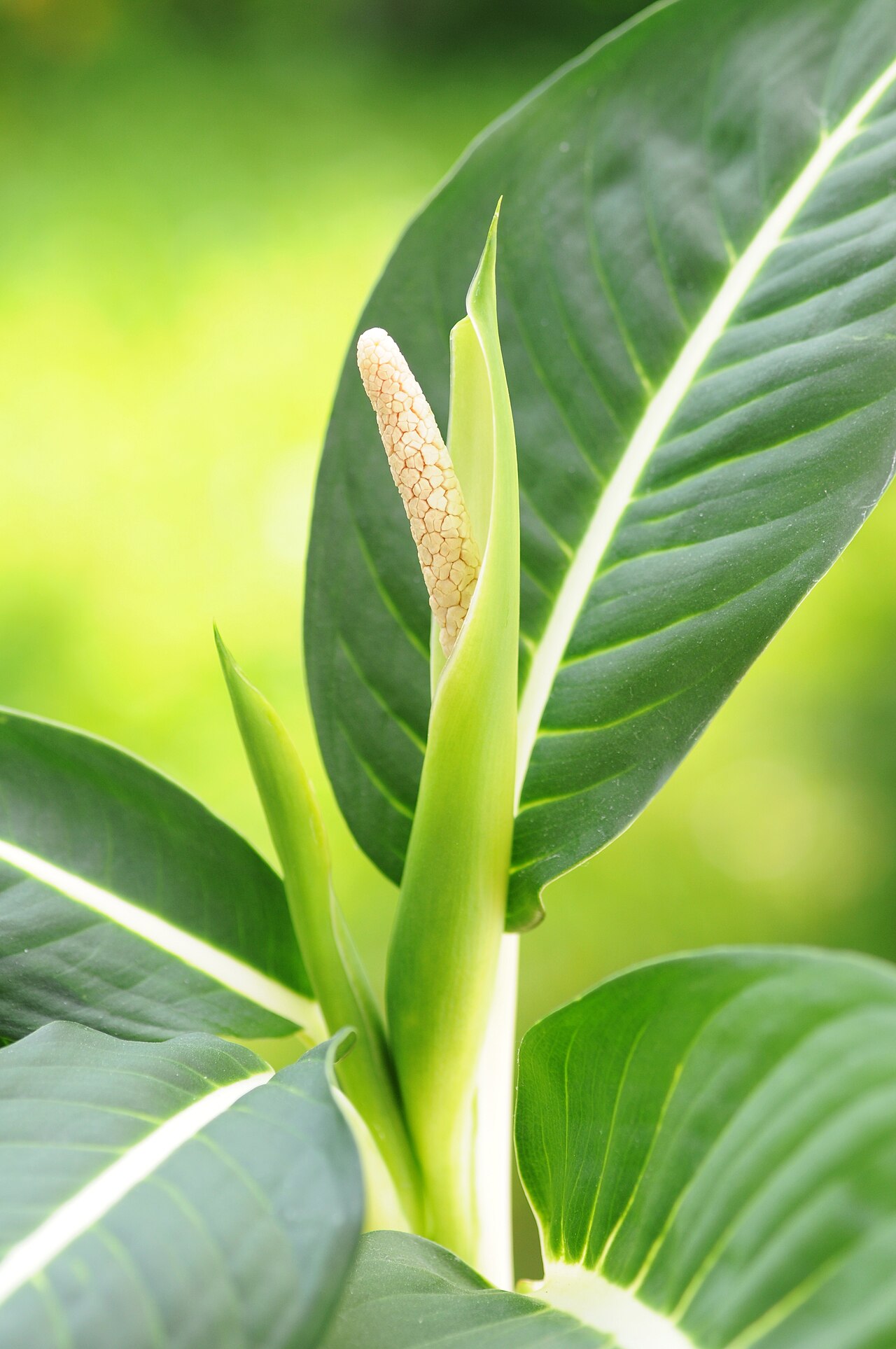
Dieffenbachia, commonly called dumb cane, is a bold tropical foliage plant with large, patterned leaves splashed in shades of cream, yellow, and green. Its common name comes from a distinctive and important safety consideration: the sap contains calcium oxalate crystals that can cause temporary swelling and numbness of the mouth and throat if chewed, historically said to render a person literally speechless.
Light Requirements
Dieffenbachia grows best in bright, indirect light, which brings out the strongest leaf variegation. It tolerates medium light reasonably well but growth slows and coloring becomes less vibrant in dim conditions. Avoid direct sun, which scorches the leaves.
Watering
Allow the top few centimetres of soil to dry out between waterings, then water thoroughly. Dieffenbachia is more forgiving of brief dry spells than of consistently soggy soil, which quickly leads to root rot and yellowing leaves. Reduce watering in winter when growth slows.
Humidity
Coming from humid tropical forests, dieffenbachia appreciates above-average humidity and will show brown leaf-tip crisping in very dry indoor air. Regular misting, a pebble tray, or a nearby humidifier all help, particularly in winter when indoor heating dries the air.
Soil and Feeding
A well-draining, peat-based potting mix suits this plant well. Feed with a balanced liquid fertilizer every four to six weeks during spring and summer, tapering off in the cooler months when growth naturally slows.
Pruning and Managing Legginess
Older dieffenbachia plants naturally lose lower leaves over time and can become tall and leggy, with bare stem beneath a tuft of top foliage. Cutting the main stem back hard in spring encourages fresh, bushier growth from lower nodes, and the cut top section can often be rooted as a new plant.
Propagation
Dieffenbachia propagates well from stem or cane cuttings. A section of stem with at least one node, laid horizontally in moist potting mix or propagated in water, will typically root within several weeks and can be potted up as a new plant.
Safety Considerations
Because of its toxic sap, keep dieffenbachia out of reach of children and pets, and wear gloves when pruning or taking cuttings, washing hands afterward. If sap contacts skin or eyes, rinse thoroughly with water; if a child or pet chews on the plant, contact a poison control center or veterinarian promptly, as the resulting mouth and throat swelling, while usually temporary, can be alarming and, in rare cases involving the airway, serious.
Common Problems
Yellowing lower leaves are often a normal part of aging, but widespread yellowing usually signals overwatering. Brown leaf tips point to low humidity or fertilizer salt buildup, while a generally droopy plant despite moist soil may indicate root rot has already set in, requiring a check of the roots and a switch to fresh, well-draining soil.
Seasonal Care Through the Year
Dieffenbachia’s growth follows a clear seasonal rhythm, growing actively in spring and summer and resting through autumn and winter. During the active season, regular feeding and watching for the need to stake or support larger, top-heavy specimens are the main tasks; this is also the best time to take stem cuttings if propagating, since warmth speeds rooting considerably. As light drops in autumn, reduce both watering frequency and feeding to match the plant’s slower metabolism, since cold-season overwatering is a common cause of root rot in many tropical foliage plants including this one. If the plant spends summer outdoors in a shaded spot, bring it inside well before temperatures drop below about 13°C (55°F), since dieffenbachia has very little cold tolerance and can suffer chilling damage even without frost.
A Safety Reminder for Handling
Given the toxic, irritating sap in dieffenbachia’s stems and leaves, keeping a pair of gardening gloves on hand specifically for pruning or propagating this plant is a simple precaution worth taking, especially for anyone with sensitive skin or households with curious young children. Wash any tools used on the plant before using them on others, since the sap can transfer and irritate other plants’ foliage or your skin later.
Frequently Asked Questions
Is dieffenbachia safe to keep with pets in the house?
It requires caution: the sap is toxic if chewed and can cause significant mouth and throat irritation in cats and dogs. Many owners choose to keep it in a room pets don’t have access to, or opt for pet-safe alternatives instead.
Why is my dieffenbachia losing its lower leaves?
Some lower leaf loss is a normal part of aging as the plant grows taller, but rapid or widespread lower leaf drop combined with yellowing usually indicates overwatering or a sudden change in light or temperature.
Can a leggy dieffenbachia be saved?
Yes, cutting the main stem back hard in spring, leaving a short stump, typically prompts vigorous new growth from dormant buds lower on the stem, effectively rejuvenating a tall, bare-stemmed plant.
How toxic is dieffenbachia really?
It is not typically life-threatening but causes genuine and sometimes alarming symptoms, including painful swelling of the mouth, tongue, and throat that can occasionally affect breathing or swallowing in severe cases, particularly in small children or pets, so prompt medical or veterinary attention is warranted if ingestion occurs.