
Zamioculcas (ZZ Plant): The Most Low-Maintenance Houseplant
Why the ZZ Plant Is So Easy to Grow
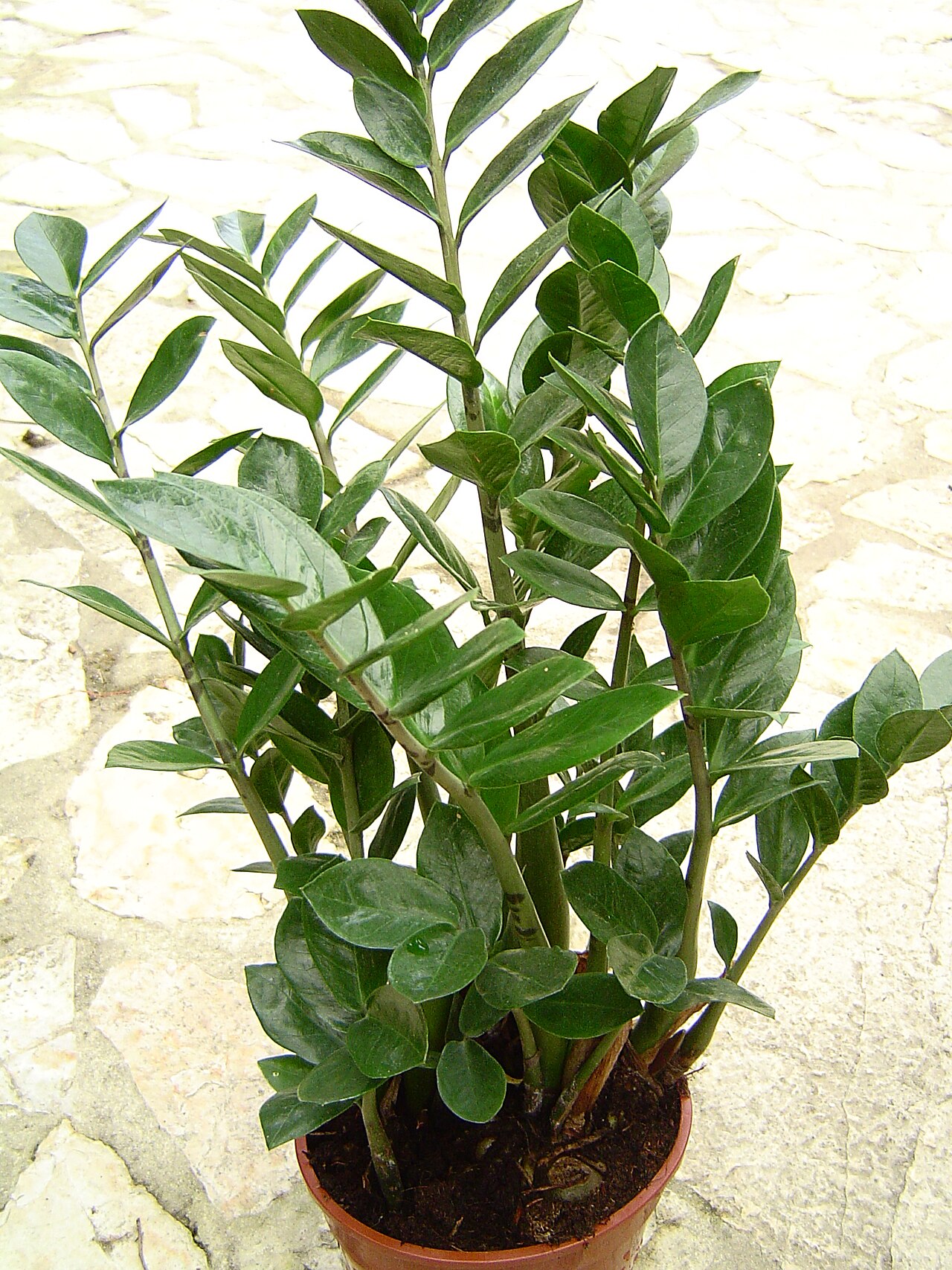
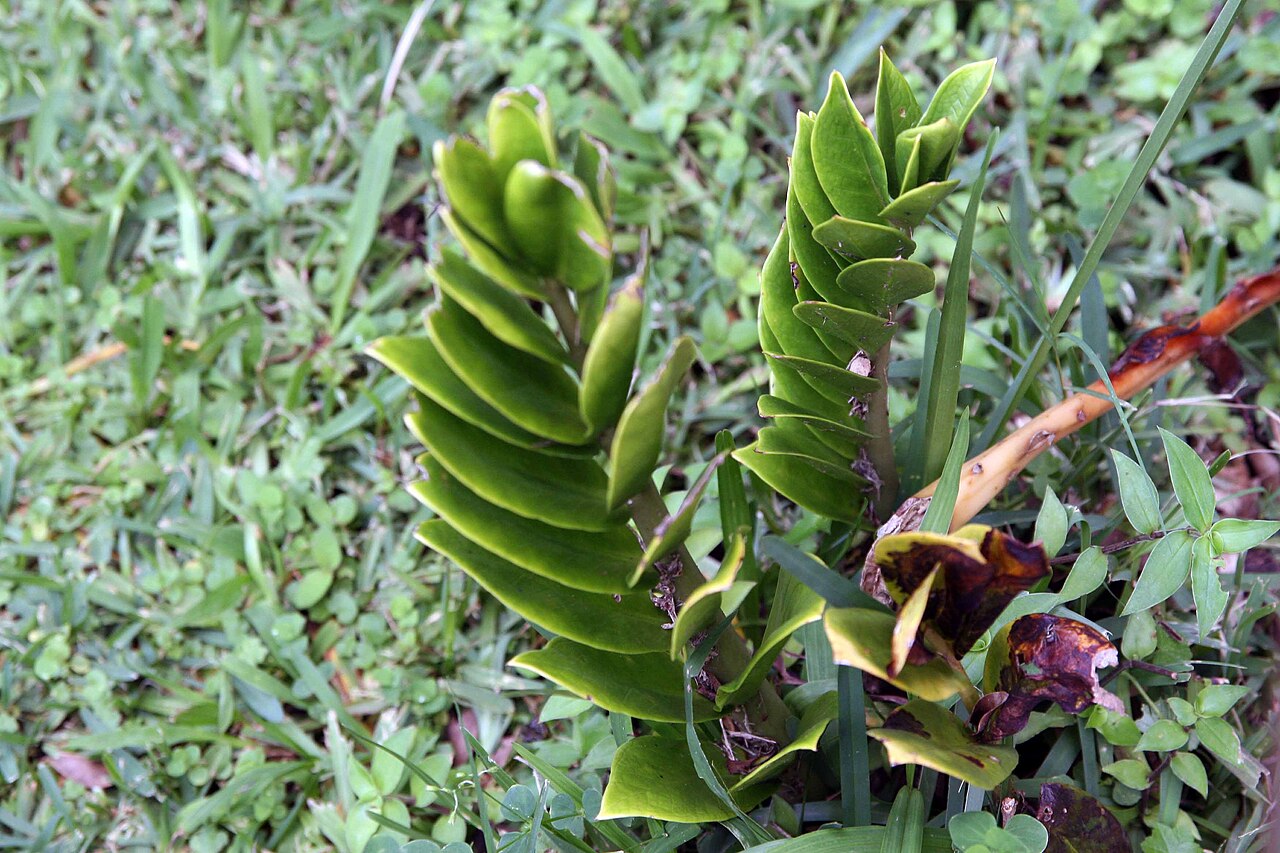
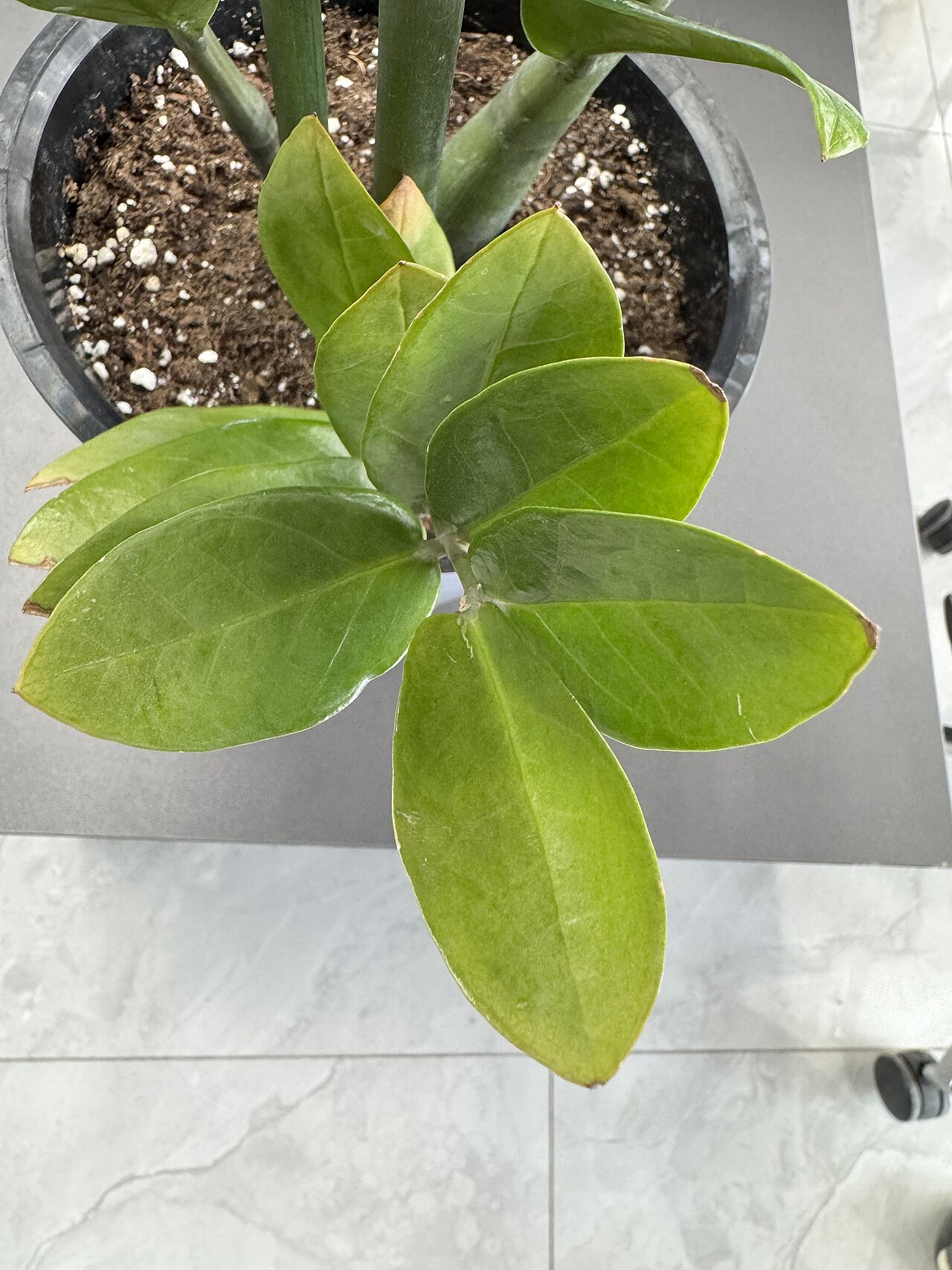
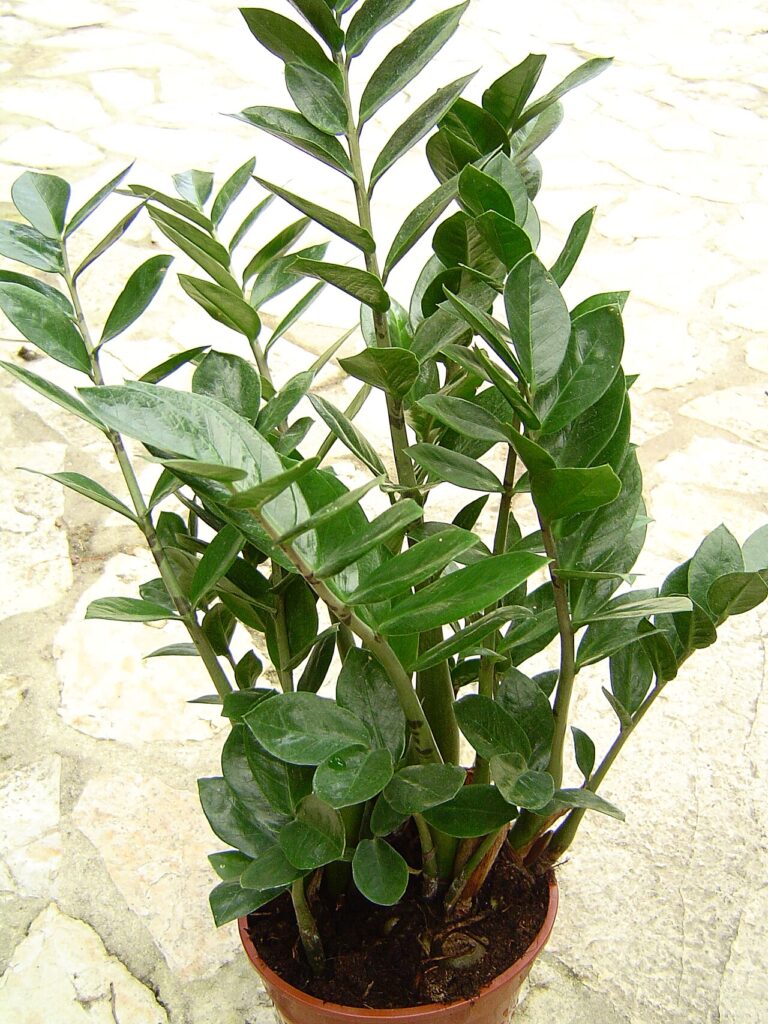
The ZZ plant (Zamioculcas zamiifolia) has earned a reputation as one of the most indestructible houseplants available, and for good reason. Native to dry grasslands and forests of eastern Africa, it stores water in thick, potato-like rhizomes beneath the soil, allowing it to survive long stretches of neglect that would kill most other houseplants. Its glossy, dark green, feather-shaped leaves also give it an attractively sculptural look that suits modern interiors, offices, and low-light corners where few other plants would survive.
Light and Temperature
ZZ plants tolerate a very wide range of light conditions, from low light in an interior room to bright, indirect light near a window. They do not, however, tolerate direct, intense sunlight, which can scorch the leaves. Moderate to bright indirect light produces the fastest growth and the glossiest foliage, but the plant will survive, if grow more slowly, in dimmer spots. Average room temperatures between 18–26°C suit it well; it is not frost-hardy and should be kept away from cold drafts and windows in winter.
Watering and Soil
Overwatering, not underwatering, is the main threat to a ZZ plant’s health. Because the rhizomes store water, the soil should be allowed to dry out almost completely between waterings — for most homes this means watering only every two to three weeks, less in winter when growth slows. Always check that the top several centimetres of soil are dry before watering again, and make sure the pot has good drainage, since rhizomes sitting in soggy soil quickly rot.
Use a well-draining potting mix, such as a standard houseplant soil amended with extra perlite, and choose a pot with drainage holes. ZZ plants also do well in slightly cramped pots and generally only need repotting every two to three years, once the rhizomes have visibly filled the container.
Feeding and Common Issues
Feed sparingly, once every one to two months during spring and summer, with a diluted balanced houseplant fertilizer; ZZ plants are light feeders and grow slowly even under ideal conditions. Yellowing leaves are almost always a sign of overwatering or poor drainage rather than a nutrient deficiency — check the rhizomes for softness or rot if this happens. Note that all parts of the ZZ plant are mildly toxic if ingested and the sap can irritate skin, so keep it out of reach of curious pets and children, and wash your hands after handling or pruning it.
Propagation
The easiest method is division: when repotting, gently separate the clump of rhizomes into sections, each with roots and at least one stem, and pot them individually. ZZ plants can also be propagated from a single leaflet inserted into moist potting mix or water, though this method is much slower, often taking several months to form a rhizome and new growth.
This article may contain affiliate links. If you purchase a product through one of these links, Plantgecko may earn a commission at no extra cost to you. This never influences our editorial independence or which products we recommend.
One Comment