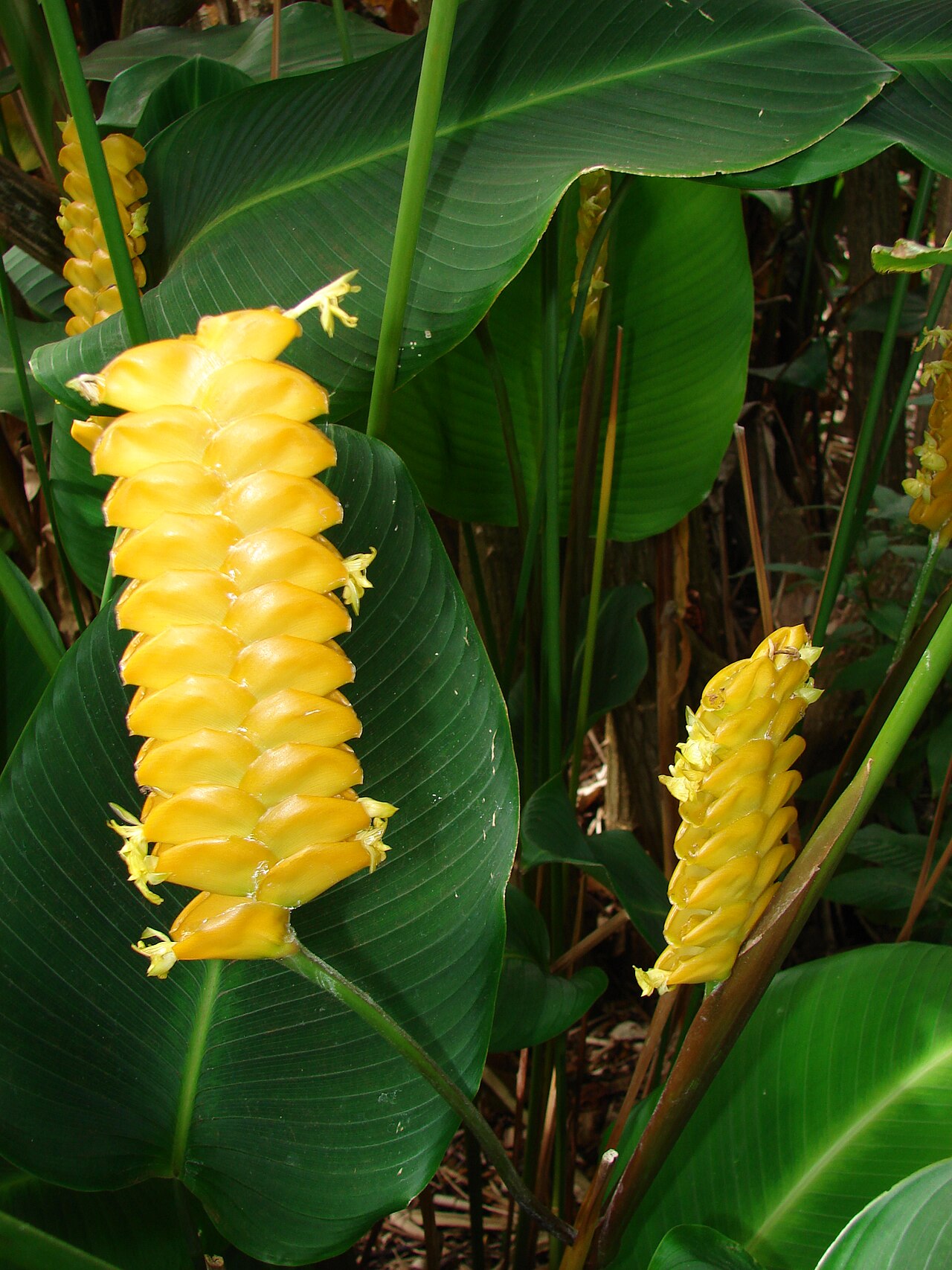
Calathea: Fascinating Leaf Patterns and Care Tips
Calathea, part of the prayer plant family, is grown for some of the most striking foliage patterns in the houseplant world – bold stripes, feathery patterns, and rich purple undersides on leaves that visibly rise and fold at night and lower again during the day, a movement called nyctinasty. Native to tropical rainforest floors, calathea has a reputation for being fussy, but understanding its rainforest origins explains exactly what it needs.
Light Requirements
In its native habitat, calathea grows in the dappled shade beneath a rainforest canopy, so bright, indirect light is ideal indoors – never direct sun, which quickly fades and scorches the patterned leaves. Too little light, on the other hand, causes the bold variegation to become dull and muted.
Humidity Is Essential
Calathea is one of the more humidity-demanding common houseplants, wanting 50 percent humidity or higher. In average home conditions, especially with winter heating, leaf edges will crisp and brown without help. A pebble tray, regular misting, grouping plants together, or a small humidifier placed nearby all meaningfully improve leaf condition.
Watering With the Right Water
Keep soil consistently moist but never waterlogged, allowing only the very top layer to dry slightly between waterings. Calathea is notably sensitive to the chlorine, fluoride, and salts in tap water, which cause the telltale brown spotting and crisping many growers struggle with. Use filtered, distilled, or rainwater when possible, or let tap water sit out uncovered overnight so chlorine can dissipate before use.
Soil and Potting
A light, peat-based mix that retains moisture while still draining well suits calathea’s shallow root system. Terracotta pots can wick away moisture too aggressively for this humidity-loving plant, so plastic or glazed ceramic pots with drainage holes are often a better fit.
Feeding
Feed lightly with a balanced liquid fertilizer diluted to half strength once a month during spring and summer, and stop feeding in autumn and winter. Calathea’s fine roots are easily burned by excess fertilizer salts.
Common Problems
Crispy, browning leaf edges almost always point to low humidity or hard tap water; curling leaves often signal underwatering or low humidity; and yellowing lower leaves can be a normal part of aging or a sign of overwatering if it happens broadly across the plant. Spider mites, which thrive in dry air, are the most common pest – increasing humidity is both a treatment and a prevention strategy.
Repotting and Propagation
Repot every one to two years in spring, sizing up gradually. Calathea is best propagated by division at repotting time, gently separating the root clump into sections that each retain healthy roots and leaves, since stem cuttings do not root reliably for this plant.
Seasonal Care Adjustments
Calathea’s need for consistent moisture and humidity remains fairly steady year-round, but growth does slow in lower-light winter months, meaning slightly less frequent watering is appropriate to avoid waterlogged soil sitting around a less active root system. Indoor heating in winter is often the hardest season for calathea, since heated air can drop well below the humidity this plant wants; this is the time to be most vigilant about pebble trays, humidifiers, or grouping plants together. Spring’s increasing light and warmth support the best window for repotting and dividing an overcrowded plant, and feeding can resume or increase modestly as active growth picks back up. Keep calathea away from cold drafts near winter windows and away from heating vents, both of which create the kind of environmental stress that shows up quickly as crisped or curled leaves.
Managing Humidity Reliably
Given how central humidity is to healthy calathea foliage, a small humidifier placed nearby during dry winter months is often a more consistent solution than misting alone, which provides only a brief humidity boost. Pairing a humidifier with a simple hygrometer to monitor actual humidity levels near the plant takes the guesswork out of knowing when extra moisture support is genuinely needed.
Frequently Asked Questions
Why does my calathea fold its leaves up at night?
This is a natural daily rhythm called nyctinasty, where leaves rise and fold together in darkness and lower again in daylight, believed to help the plant shed rainwater and possibly regulate light exposure in its native rainforest habitat.
Can calathea grow under artificial light only?
Yes, calathea adapts reasonably well to bright artificial grow lights if natural light is insufficient, as long as the light mimics the bright, indirect intensity it would receive in dappled rainforest shade.
Why does my calathea have brown spots even though I use filtered water?
If tap water sensitivity has been ruled out, brown spotting can also result from low humidity, fertilizer buildup, or occasional overwatering; checking each factor individually helps narrow down the specific cause.
Do calathea plants need to be repotted often?
Not particularly; every one to two years in spring is generally sufficient, since calathea has a relatively shallow, compact root system and doesn’t need frequent sizing up.
This article may contain affiliate links. If you purchase a product through one of these links, Plantgecko may earn a commission at no extra cost to you. This never influences our editorial independence or which products we recommend.