Choosing the Right Pot Size and Drainage for Houseplants
Introduction
Photo: Steffen Mokosch (CC BY-SA 4.0, Wikimedia Commons)
Photo: Paul Cézanne (Public domain, Wikimedia Commons)
Photo: Aniello Ascione (Public domain, Wikimedia Commons)
Choosing the Right Pot Size and Drainage for Houseplants
It’s easy to focus on a pot’s material or color and overlook the two factors that matter most to a plant’s actual health: size and drainage. Get those wrong, and even the prettiest ceramic planter can quietly kill a healthy plant. Get them right, and almost any container will do. Here’s how to think about sizing and drainage so your houseplants thrive long after the initial repotting.
Who This Is For
Why Pot Size Matters More Than You Think
A common instinct is to size up dramatically when repotting, giving a plant “room to grow.” In practice, this usually backfires. A pot that’s much larger than the current root ball holds far more soil than the roots can absorb water from, so that soil stays wet for days after watering — a recipe for root rot, fungus gnats, and stunted growth. As a general rule, move up only 1–2 inches in diameter at a time for most houseplants. Fast-growing species like pothos or philodendron can tolerate a slightly bigger jump; slow growers like succulents and snake plants should be sized up even more conservatively.
Buying Criteria
Reading the Signs a Plant Has Outgrown Its Pot
Roots circling the inside of the pot, growing out of the drainage holes, or pushing the plant up out of the soil are all clear signals it’s time to repot. Water running straight through without being absorbed, and soil that dries out within a day or two of watering, can also indicate the root mass has crowded out most of the actual soil. On the flip side, if a plant sits in soil that stays damp for a week or longer, it may actually be in a pot too large for its current root system.
Product/Option Categories
Drainage Holes Are Non-Negotiable
No matter how attractive a container is, it needs a way for excess water to escape. Without drainage holes, water pools at the bottom of the pot, roots sit in it, and oxygen can’t reach them — the classic setup for root rot. If you’ve fallen in love with a pot that lacks drainage, use it as a decorative cachepot: keep the plant in a plastic nursery pot with drainage holes and simply slip that pot inside the decorative one, removing it to water and let it drain fully before returning it.
Trade-offs
Matching Drainage to Plant Type
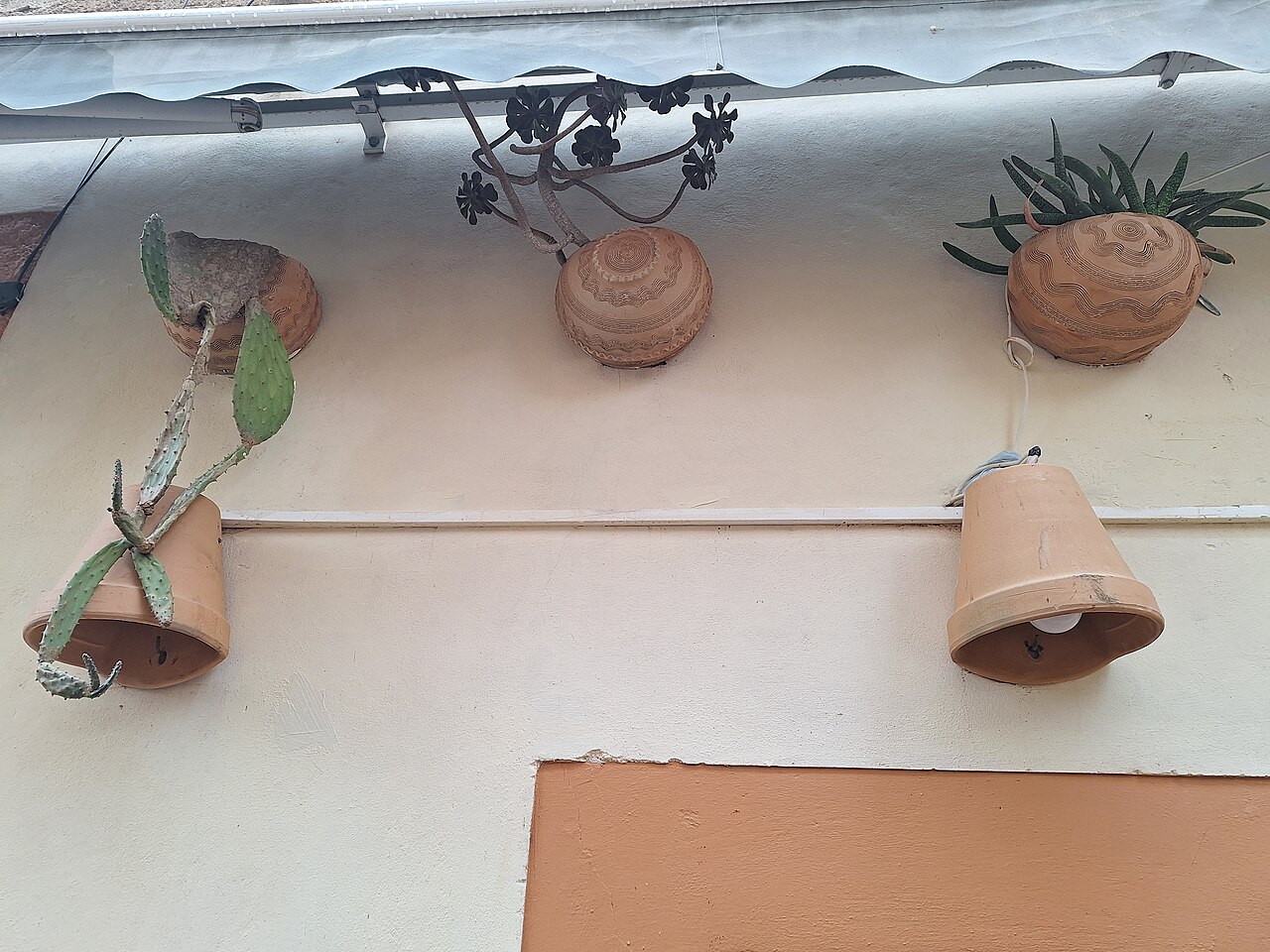
Different plants have very different tolerance for moisture around their roots, and your pot choice should reflect that. Moisture-loving plants like ferns, peace lilies, and calatheas do well in pots that retain some water, so a plastic or glazed ceramic pot with a saucer works nicely. Succulents, cacti, and other plants adapted to arid conditions need fast-draining setups — a porous terracotta plant pot paired with a gritty, fast-draining potting mix lets excess moisture evaporate quickly and helps prevent the soggy roots these plants are prone to.
Disclosure
This article may contain affiliate links. If you purchase a product through one of these links, Plantgecko may earn a commission at no extra cost to you. This never influences our editorial independence or which products we recommend.
| Product | Best For | Price | |
|---|---|---|---|
| nursery pot with drainage holes | Top Pick | Check price | View |
| terracotta plant pot | Also Consider | Check price | View |
| self-watering planter | Budget Alternative | Check price | View |
Recommendation Framework
Specialty and Self-Watering Pots
Self-watering pots and specialty containers can simplify care, but they still need to match the plant. A self-watering planter uses a reservoir and wicking system to keep soil evenly moist, which is excellent for consistently thirsty plants like ferns or peace lilies but can be too much moisture for succulents or orchids. Net-cup style orchid pots, meanwhile, maximize airflow around aerial roots, reflecting how differently specialty containers are engineered compared to a standard round nursery pot.
Conclusion
A Simple Rule of Thumb
When in doubt, prioritize drainage first, then size the pot to the current root ball rather than the plant’s imagined future size — you can always repot again in a year or two. A pot with functional drainage and an appropriate diameter will do more for a plant’s long-term health than any amount of material or color choice. Once those fundamentals are covered, feel free to choose whatever style suits your space.