Best Plant Pots 2026: Terracotta, Plastic, and More Compared
Introduction
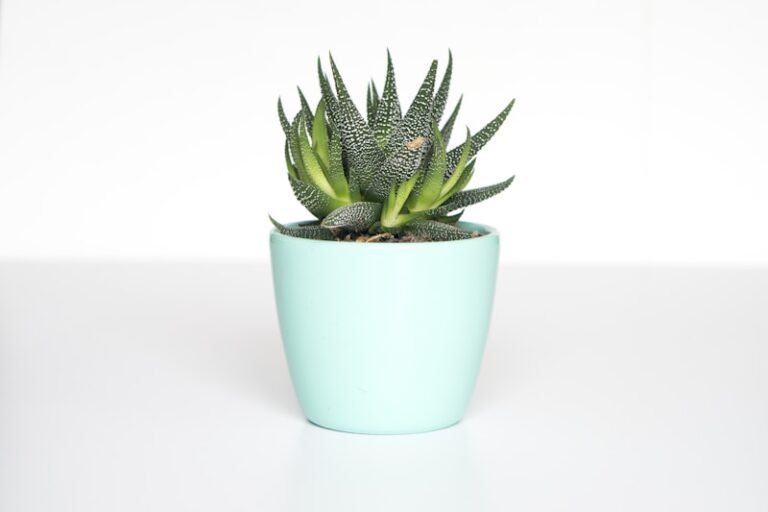
Photo: Steffen Mokosch (CC BY-SA 4.0, Wikimedia Commons)
Photo: Paul Cézanne (Public domain, Wikimedia Commons)
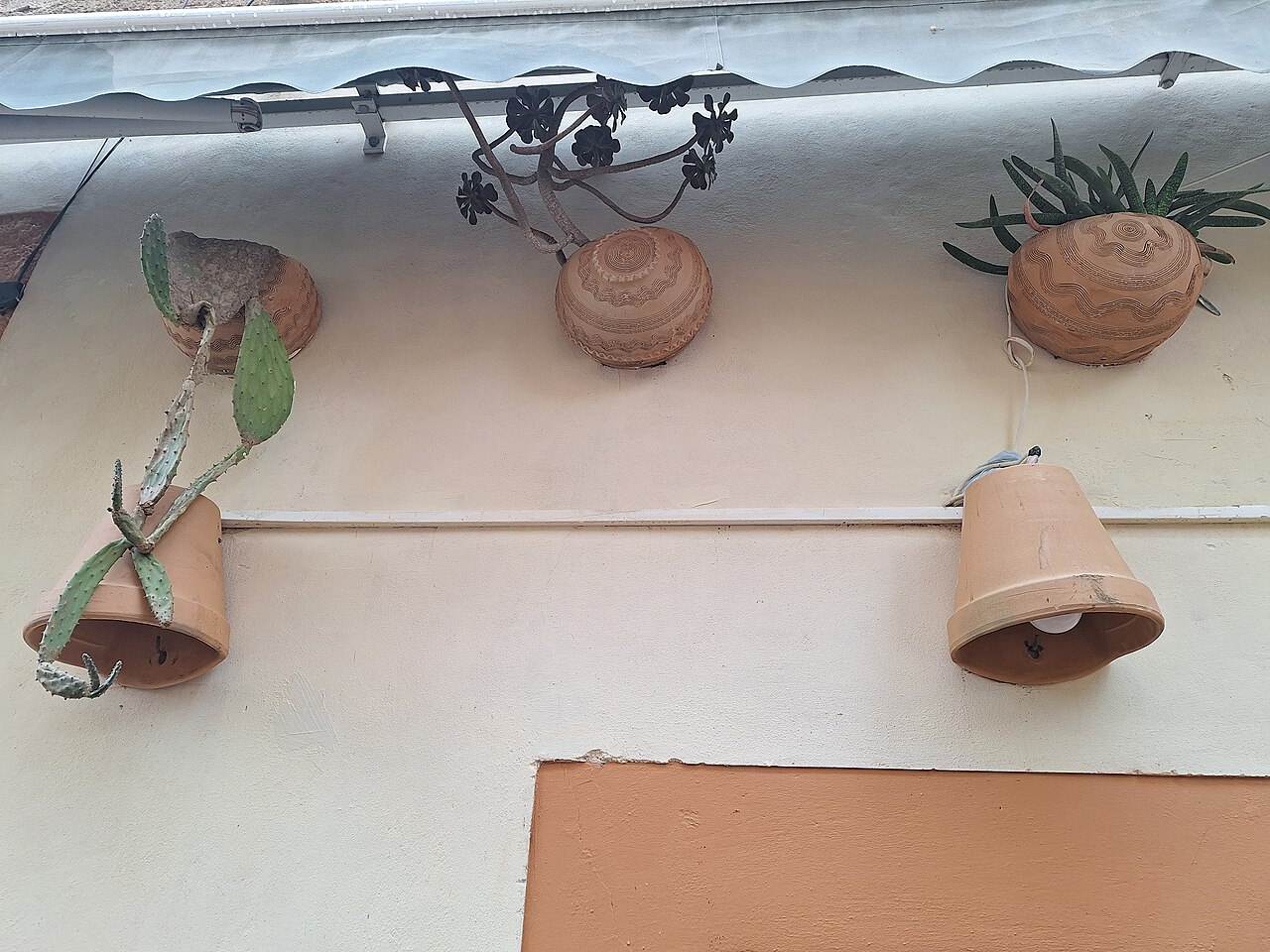
Photo: Aniello Ascione (Public domain, Wikimedia Commons)
The Best Plant Pots 2026: Terracotta, Plastic & More Compared
Choosing the right plant pot is essential to your plants’ health and growth. Whether on the balcony, the patio, or indoors, the pot affects water supply, root development, and of course the overall look of your space. In this comprehensive guide, we compare the most popular materials and styles so you can find the perfect pot for your needs.
Why choosing the right pot matters so much
A plant pot is far more than a decorative object. It’s your plant’s home, and it has a major influence on how well the plant thrives. The right size, a suitable material, and good drainage are the foundations of healthy growth. A pot that’s too small restricts root growth, while one that’s too large can lead to waterlogging and root rot. The material itself affects temperature regulation, water retention, and how well the roots can “breathe.”.
Who This Is For
Terracotta pots: the Mediterranean classic
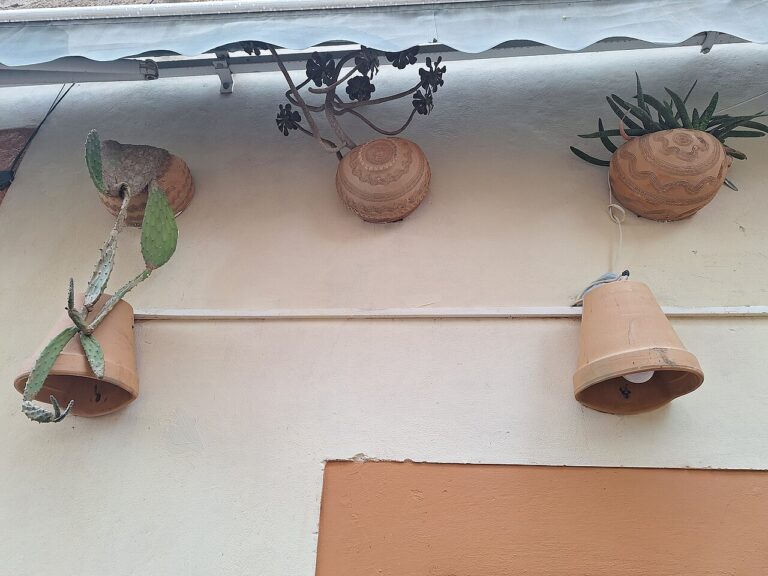
Terracotta pots have stood the test of centuries and remain hugely popular. The porous material allows excess water to evaporate, which is especially beneficial for plants that dislike wet feet, such as cacti, succulents, and Mediterranean herbs like rosemary and lavender. The trade-off is that terracotta pots need watering more often, since the soil dries out faster. Look for a frost-resistant, high-fired terracotta model if you plan to keep pots outdoors year-round.
Buying Criteria
Plastic pots: light, flexible, and affordable
Plastic pots are the all-rounders of the plant world. They’re lightweight, unbreakable, and available in countless colors and shapes. Modern plastic pots hold up well to UV exposure and frost, so they can be used outdoors all year round. Unlike terracotta, they retain moisture longer, which is ideal for thirstier plants. The downside is that cheaper plastic pots can suffer from waterlogging if they don’t have adequate drainage holes, so always check for that before buying.
Self-watering pots: convenience for busy plant owners
Self-watering pots are the perfect solution for anyone who doesn’t want to water daily or who travels often. They feature a built-in water reservoir that the plant draws from as needed, via a wick or capillary action, which distributes moisture evenly to the roots. Depending on the model, a single reservoir fill can last anywhere from one to four weeks.
Product/Option Categories
Pot TypeAdvantagesDisadvantagesBest For
TerracottaBreathable, natural, attractiveDries out fast, fragile, heavyCacti, succulents, herbs
PlasticLightweight, affordable, many colorsLess breathable, waterlogging riskHouseplants, annual balcony plants
Self-wateringConvenient, consistent moistureMore expensive, not for every plantBusy owners, frequent travelers
Popular Pot Products Compared
ProductMaterialPrice RangeBest For
Bloem Terra Pot PlanterPlasticBudgetEveryday houseplants
D’vine Dev Terracotta Clay PotTerracottaMid-rangeCacti, succulents, herbs
Mkono Self-Watering PlanterPlastic with wick reservoirMid-rangeBusy owners, frequent travelers.
Trade-offs
Novelty Rose PotPlasticBudgetPotting up, propagation
Size and volume: finding the right pot size
The rule of thumb: a new pot should be about 2 to 4 centimeters (roughly 1 to 1.5 inches) larger in diameter than the old one. Too much extra soil holds too much water and can lead to root rot. For most balcony and houseplants, pots with a diameter of 15 to 25 centimeters (6 to 10 inches) are ideal. Larger plants such as potted lemon trees or oleanders need containers 30 to 50 centimeters (12 to 20 inches) across. Always choose a pot deep enough for the roots to spread out properly.
Drainage: the key to healthy roots.
Disclosure
This article may contain affiliate links. If you purchase a product through one of these links, Plantgecko may earn a commission at no extra cost to you. This never influences our editorial independence or which products we recommend.
| Product | Best For | Price | |
|---|---|---|---|
| Terracotta pots | Top Pick | Check price | View |
| Self-watering pots | Also Consider | Check price | View |
| Bloem Terra Pot Planter | Also Consider | Check price | View |
| D’vine Dev Terracotta Clay Pot | Also Consider | Check price | View |
| Mkono Self-Watering Planter | Also Consider | Check price | View |
| Novelty Rose Pot | Also Consider | Check price | View |
| expanded clay pebbles or gravel | Budget Alternative | Check price | View |
Recommendation Framework
Regardless of material, every pot needs a drainage hole. Without one, water pools at the bottom, and the roots suffocate and rot. A drainage layer of expanded clay pebbles or gravel at the base of the pot further improves water flow. Many quality pots come with matching saucers to catch any excess water that drains through.
Cachepots: decoration with a function
Cachepots are the stylish disguise for plain plastic nursery pots. They usually have no drainage hole and exist purely for looks: the actual pot with drainage holes simply sits inside. This lets you update your interior style at any time without repotting the plant. Ceramic, fiberglass, and woven natural materials like seagrass or rattan are especially popular choices. One important tip: always empty any water that collects in the cachepot after watering, to prevent waterlogging.
Conclusion
Conclusion: which pot is right for you?
If you love the natural, breathable qualities of terracotta, a high-quality Italian-made pot is a great choice. If you prefer something practical and affordable, plastic pots with matching saucers are the way to go. And if you want to minimize watering chores altogether, a self-watering system is worth the investment. In the end, it comes down to matching the pot to your plant’s needs and your own care habits. Whichever option you choose, keeping these fundamentals in mind will set your plants up for healthy growth.