Fungal Diseases in Plants: Identifying and Treating Mildew, Root Rot, and More
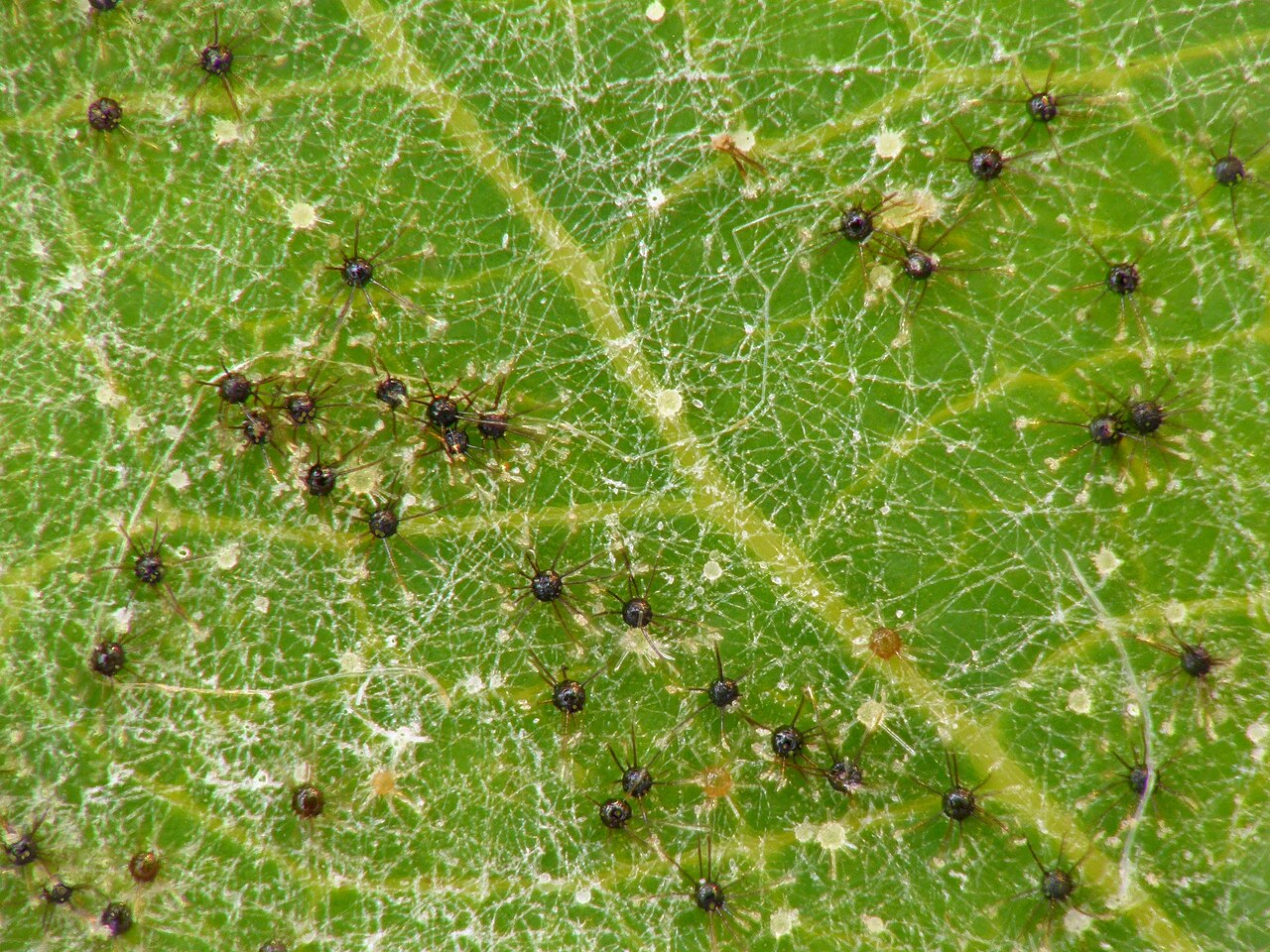
Besides pests like aphids and spider mites, there’s a second major threat to houseplants: fungal diseases. Powdery mildew, root rot, and leaf spot disease can seriously damage your plants in a very short time. In this article, you’ll learn how to recognize the most common fungal diseases and what you can do about them.
Powdery Mildew: When Leaves Look Dusted in White
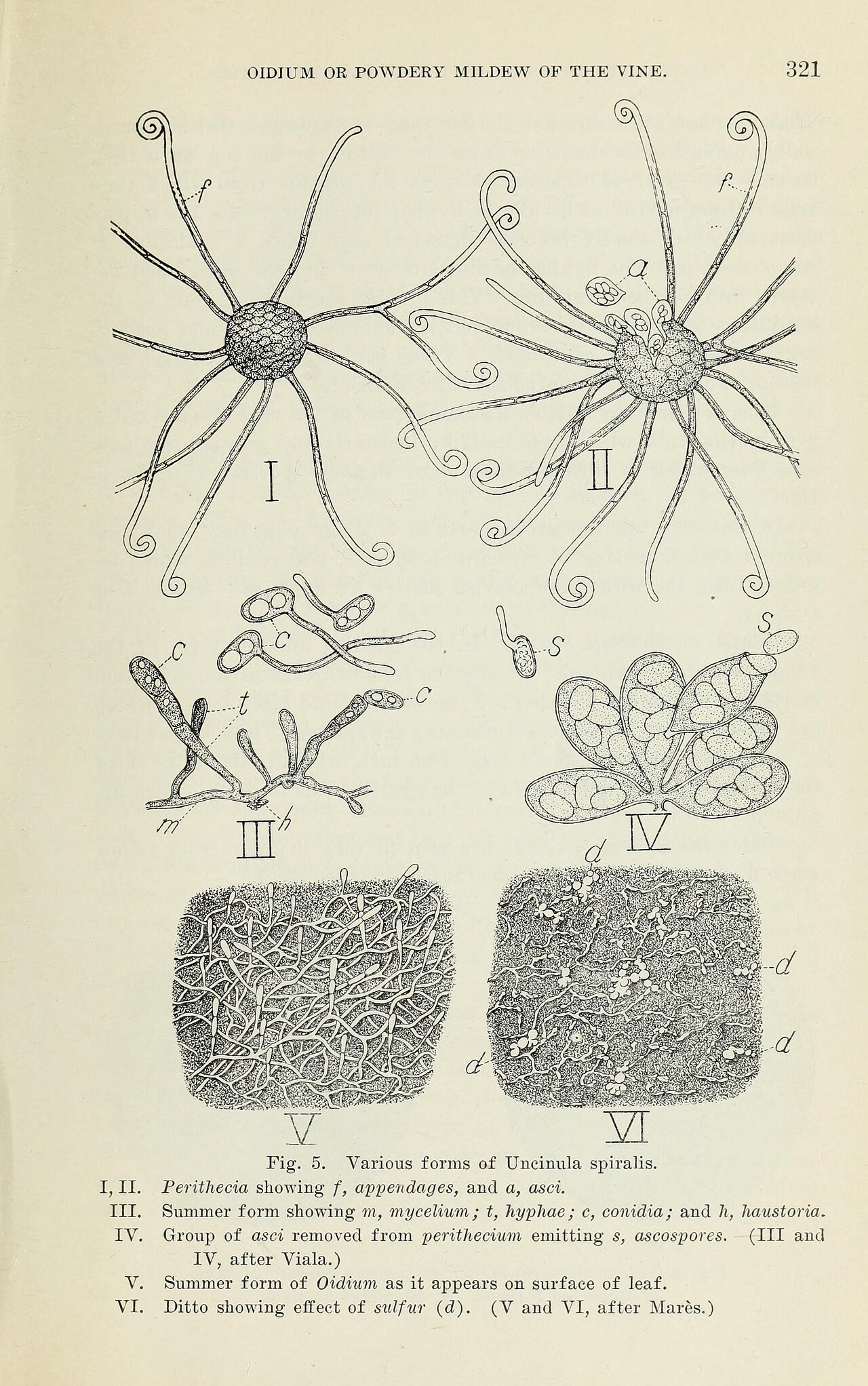
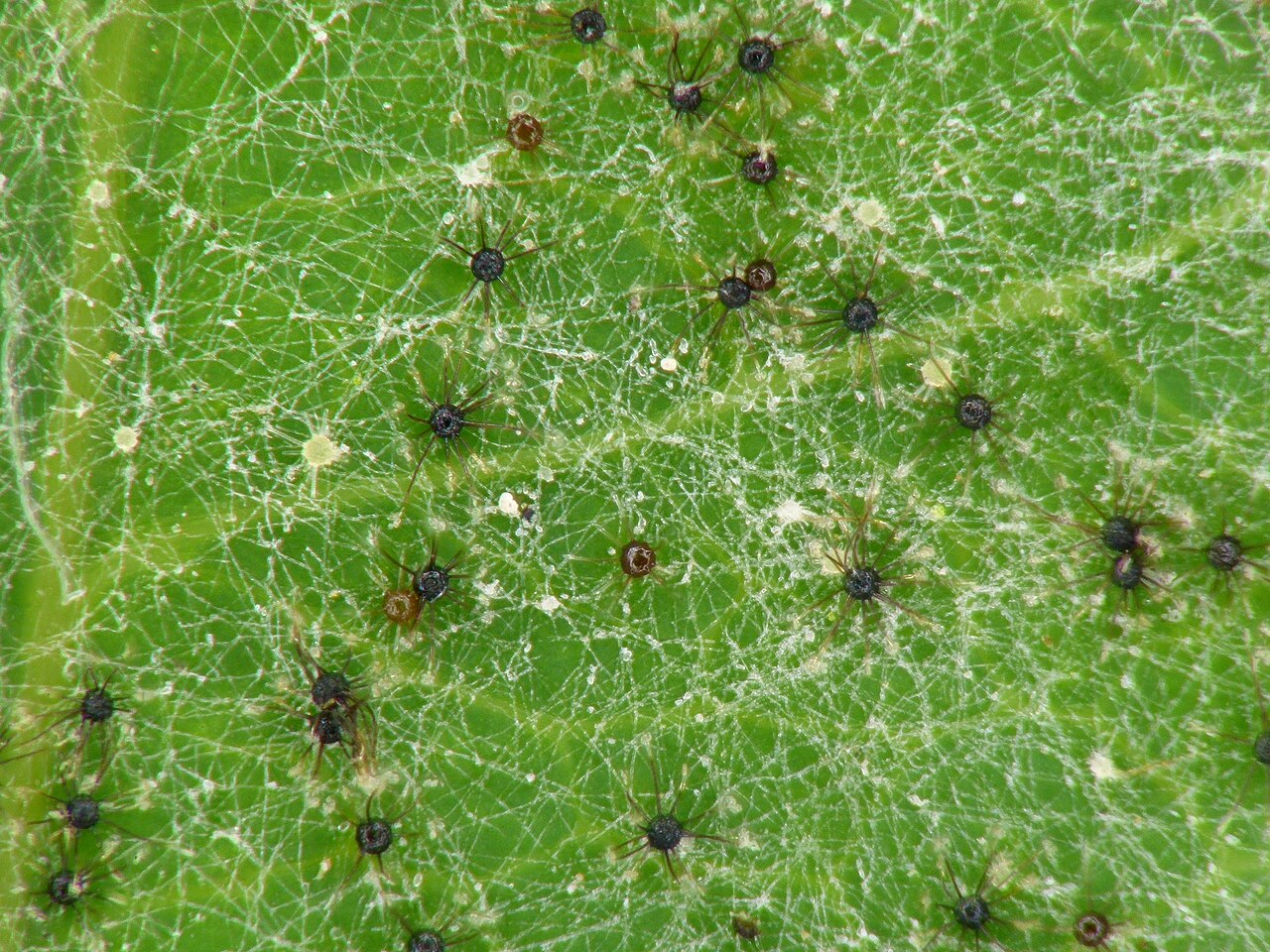
Powdery mildew is one of the most common fungal diseases and easy to recognize: a white, powdery coating on the leaves that can be wiped off. Despite its name, powdery mildew actually prefers warm, dry conditions — it’s sometimes called the “fair-weather fungus.”
Susceptible plants: Roses, cucumbers, and zucchini, but also houseplants like begonias and African violets.
Fighting it with home remedies:
- Milk and water mixture: Mix 1 part fresh whole milk with 8 parts water and spray the plant every 2–3 days. The lactic acid bacteria in the milk fight the fungus.
- Baking soda solution: Dissolve 1 teaspoon of baking soda in 1 liter of water, plus a dash of dish soap. The alkaline solution destroys the fungal cells.
- Garlic infusion: Steep 2 crushed garlic cloves in 1 liter of water for 24 hours, strain, and spray onto the plant.
Downy Mildew: The Sneaky Sibling
Downy mildew appears as a gray-purple fungal growth on the underside of the leaf, while the top of the leaf shows yellow spots. Unlike powdery mildew, it loves moisture and cool temperatures.
Control: Remove affected leaves immediately (dispose of them in the household trash!). Improve air circulation, and avoid watering the plant from above. With a severe infestation, only fungicides from a garden center will help.
Root Rot: The Silent Killer
Root rot is caused by various soil-borne fungi and is especially insidious because the symptoms only become visible when it’s almost too late. The cause is almost always waterlogging — watering too often, poor drainage, or pots without drainage holes.
Symptoms:
- Wilted, limp leaves — even though the soil is moist (this confuses a lot of people!)
- Yellow leaves that drop off
- Soft, mushy stem base
- Musty, rotten smell coming from the soil
- Brown, mushy roots when you remove the plant from its pot
Emergency measures:
- Remove the plant from its pot immediately and cut off all rotten, brown roots with clean scissors.
- Carefully rinse the root ball under lukewarm water.
- Repot into fresh, dry soil and a clean pot with good drainage.
- Do NOT water for the first week — the roots need to dry out and heal first.
- As prevention, add a layer of expanded clay pebbles at the bottom of the pot for drainage.
Leaf Spot Disease: Brown Spots with a Yellow Halo
Small brown or black spots on the leaves, often surrounded by a yellow halo — this is typical leaf spot disease. It’s caused by various fungi and bacteria and occurs especially in high humidity.
Control:
- Remove and dispose of affected leaves immediately.
- Don’t water from above — wet leaves encourage the disease to spread.
- Don’t crowd your plants too closely together — good air circulation helps prevent it.
- Fungicides from a garden center can help with a stubborn infestation.
Gray Mold (Botrytis): A Fuzzy Coating
Gray mold appears as a gray, fuzzy coating on leaves, flowers, and stems. It occurs especially in high humidity and poor ventilation — typical for plants that are too crowded, or potted plants overwintering in a basement.
Control: Remove affected plant parts immediately, improve air circulation, and lower humidity.
General Prevention Against Fungal Diseases
- Don’t water from above — water on the leaves encourages fungi.
- Ensure good drainage and avoid waterlogging.
- Leave enough space between plants for good air circulation.
- Regularly remove dead leaves.
- Only use clean, disinfected tools.
- Always dispose of diseased plant parts in the household trash, never on the compost pile!