Nutrient Deficiencies in Houseplants: The Most Common Signs and How to Fix Them
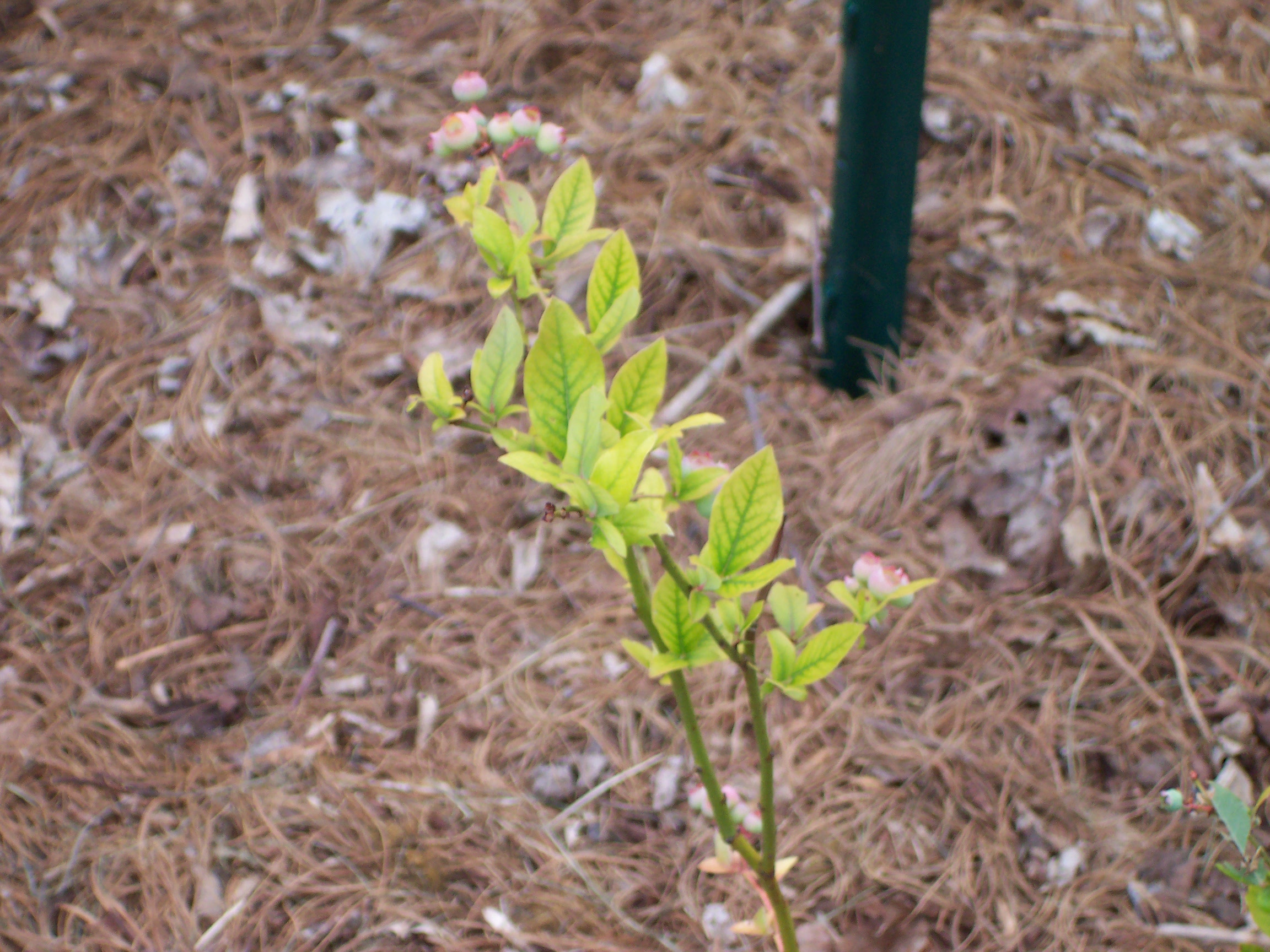
When a houseplant’s leaves change color or shape unexpectedly, it’s often trying to tell you it’s missing a specific nutrient. Learning to read these signals lets you fix the problem quickly instead of guessing. Here are the most common deficiencies, what they look like, and how to correct them.
Nitrogen Deficiency
Nitrogen is mobile within the plant, meaning it moves from older tissue to support new growth when supply is short. That’s why nitrogen deficiency shows up first as pale, uniformly yellowing older leaves near the base of the plant, often followed by slowed or stunted growth overall. Fix it with a balanced liquid fertilizer or one slightly higher in nitrogen, applied during the active growing season. Established, overly yellow plants usually green back up within a few weeks of consistent feeding.
Iron Deficiency
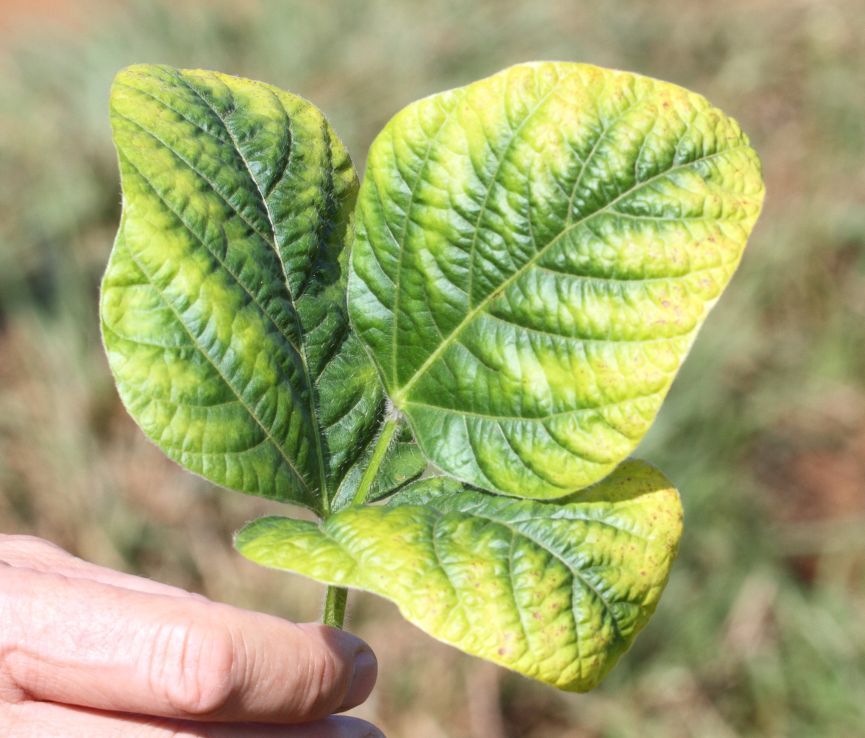
Iron is immobile, so deficiency appears on new growth first, not old. The classic symptom is interveinal chlorosis: the leaf tissue between the veins turns yellow or almost white while the veins themselves stay green, giving new leaves a distinct netted pattern. This is often not a lack of iron in the soil but a pH problem — iron becomes chemically locked out of reach in alkaline soil above roughly pH 7. Correct it with a chelated iron supplement and check whether your water or soil has pushed the pH too high; acidifying the soil slightly can resolve the underlying cause.
Magnesium Deficiency
Magnesium is mobile, so it shows up on older leaves, but the pattern is different from nitrogen: instead of the whole leaf yellowing uniformly, you see yellowing between the veins while the veins stay green, similar to iron deficiency but on older growth rather than new. This is common in plants grown in soil that’s been leached by frequent watering. A diluted Epsom salt solution (magnesium sulfate) applied to the soil every few weeks is a simple, effective fix, or use a fertilizer formulated with micronutrients included.
Potassium Deficiency
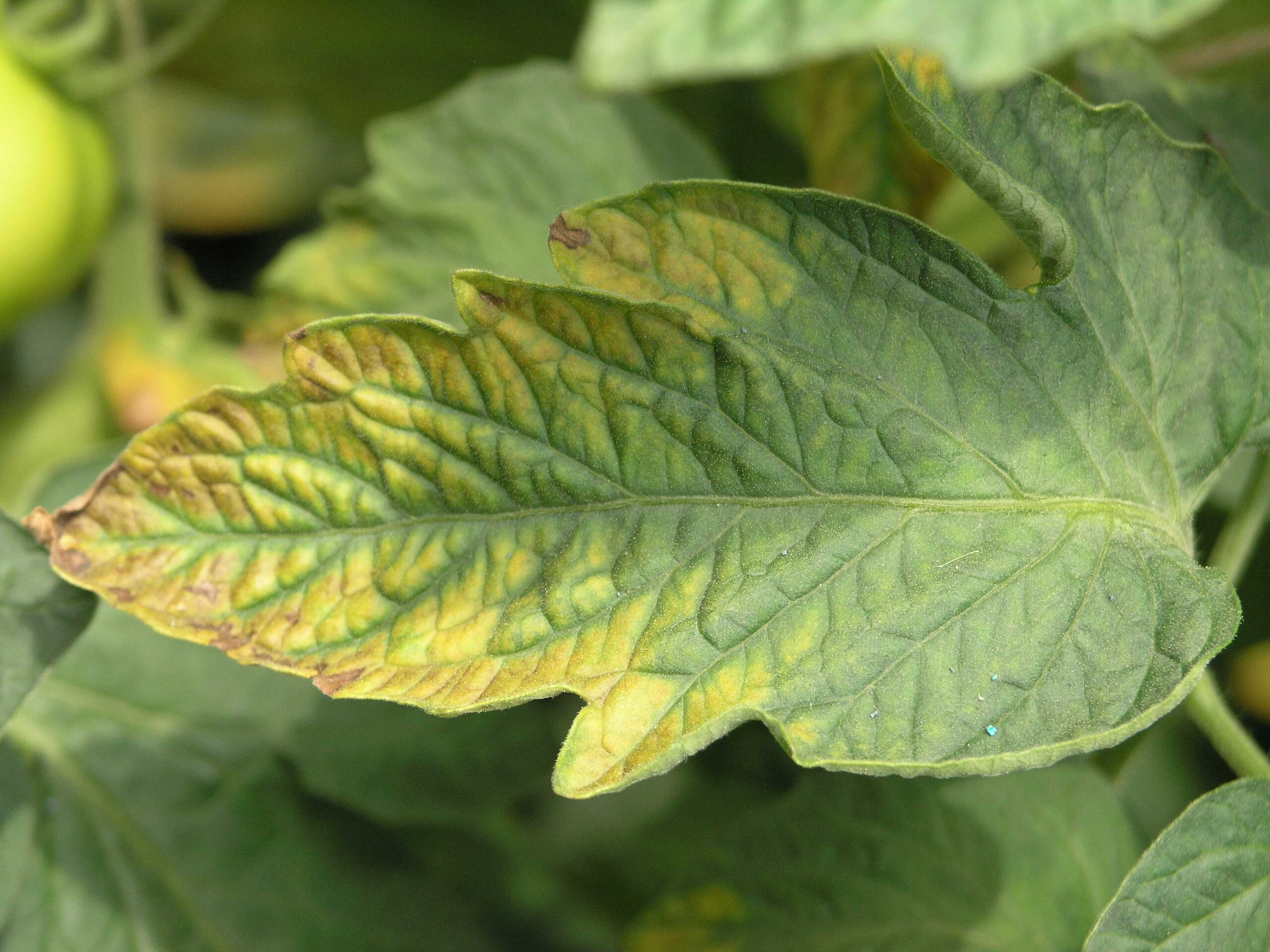
Potassium deficiency has a distinctive look: browning, scorched-looking edges and tips on older leaves, sometimes called “marginal necrosis,” while the interior of the leaf stays green. Weak stems and reduced flowering can accompany it. A balanced fertilizer with adequate potassium (the “K” in the N-P-K ratio on fertilizer labels) usually resolves it over a couple of feeding cycles.
General Tips for Fixing Deficiencies
- Rule out overwatering and root rot first — damaged roots can’t take up nutrients even when soil has plenty.
- Check whether new or old leaves are affected first; this single clue narrows down which nutrient is likely involved.
- Use a complete fertilizer with micronutrients rather than single-nutrient boosts unless you’ve clearly identified one specific deficiency.
- Repot plants that haven’t had fresh soil in over a year, since depleted potting mix is a common root cause.
- Always dilute fertilizer to the recommended strength — over-fertilizing causes salt burn that looks similar to some deficiencies.
This article may contain affiliate links. If you purchase a product through one of these links, Plantgecko may earn a commission at no extra cost to you. This never influences our editorial independence or which products we recommend.