Fertilizer Spikes Tested 2026: Convenient Nutrition for Houseplants
Introduction
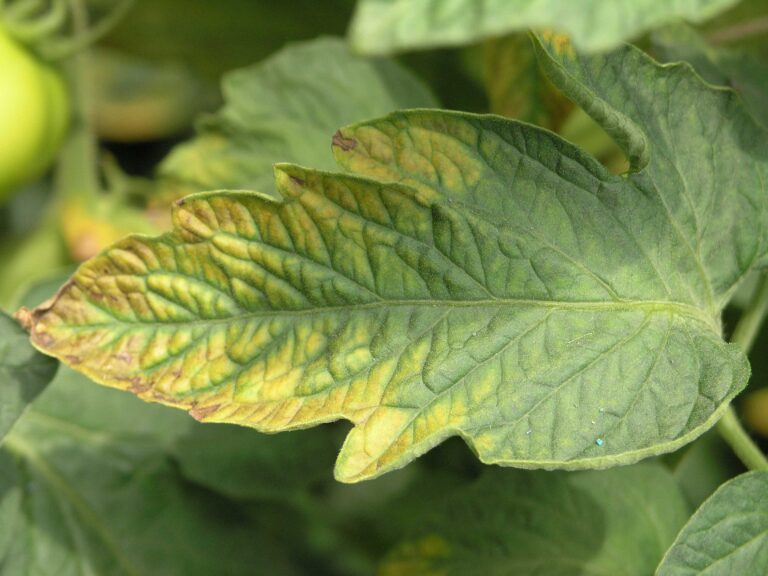
Photo: Jsch623 (CC BY-SA 4.0, Wikimedia Commons)
Photo: Tony Atkin (CC BY-SA 2.0, Wikimedia Commons)
Photo: Nigel Jones (CC BY-SA 2.0, Wikimedia Commons)
Fertilizer Spikes Tested 2026: Convenient Nutrition for Houseplants
Fertilizer spikes are probably the simplest way to feed houseplants: push into the soil, water, done — soil moisture does the rest. But can these convenient little spikes really keep up with liquid or granular fertilizer? In this comparison we look at the best fertilizer spikes of 2026 and who they’re actually worth buying for.
Who This Is For
How fertilizer spikes work
Fertilizer spikes are made of compressed nutrient salts held together with a binder. Once pushed into moist soil, the nutrients slowly dissolve and spread through the root zone. Release happens over roughly 8 to 12 weeks and is driven entirely by soil moisture — unlike coated slow-release granules, there’s no temperature-based control, so regular watering is essential for even nutrient release.
Buying Criteria
Advantages
Extremely simple: no measuring, no mixing, no dosing math — just push in and go. Clean: no spilled liquid fertilizer or dusty granules. Targeted feeding: each plant gets its own dose, handy when your collection has very different needs. Affordable: a pack of 30-50 spikes usually costs only a few dollars and lasts for months. Child- and pet-safe: no open liquid bottles, no loose granules lying around.
Product/Option Categories
The downsides
Fertilizer spikes have real limits: nutrient distribution in the pot isn’t even — concentration is high right around the spike and low further away. Irregular watering leads to uneven nutrient release. For large containers over about 12 inches wide, one spike usually isn’t enough — you’ll need 2-3. And in very sandy, fast-draining soil, nutrients can wash out before the full 12 weeks are up.
Trade-offs
Popular fertilizer spike products
ProductPack SizePrice TierBest For
Jobe’s Fertilizer Spikes for Houseplants50 spikes$General houseplant feeding
Jobe’s Fertilizer Spikes for Flowering Plants54 spikes$Blooming houseplants
Miracle-Gro Indoor Plant Food Spikes48 spikes$Budget-friendly, easy dosing
Jobe’s Tree & Shrub Fertilizer Spikes15 spikes$Trees, shrubs, and large containers
How to use them correctly.
Disclosure
This article may contain affiliate links. If you purchase a product through one of these links, Plantgecko may earn a commission at no extra cost to you. This never influences our editorial independence or which products we recommend.
| Product | Best For | Price | |
|---|---|---|---|
| Fertilizer spikes | Top Pick | Check price | View Fertilizer spikes on Amazon |
| Jobe’s Fertilizer Spikes for Houseplants | Also Consider | Check price | View Jobe’s Fertilizer Spikes for Houseplants on Amazon |
| Jobe’s Fertilizer Spikes for Flowering Plants | Also Consider | Check price | View Jobe’s Fertilizer Spikes for Flowering Plants on Amazon |
| Miracle-Gro Indoor Plant Food Spikes | Also Consider | Check price | View Miracle-Gro Indoor Plant Food Spikes on Amazon |
| Jobe’s Tree & Shrub Fertilizer Spikes | Also Consider | Check price | View Jobe’s Tree & Shrub Fertilizer Spikes on Amazon |
| slow-release granules | Also Consider | Check price | View slow-release granules on Amazon |
| liquid fertilizer | Budget Alternative | Check price | View liquid fertilizer on Amazon |
Recommendation Framework
- Push the spike vertically into the soil between the pot’s edge and the plant. 2. Push deep enough that it’s fully covered by soil — an exposed spike attracts mold. 3. Water thoroughly right after inserting. 4. Match quantity to pot size: one spike for pots up to about 5 inches, two for 5-8 inches, three above that. 5. Replace with a fresh spike after 12 weeks. 6. Don’t combine with liquid fertilizer at the same time — that leads to over-fertilizing.
Conclusion.
Conclusion
Fertilizer spikes are the perfect solution for beginners and anyone who wants something uncomplicated. They reliably feed individual houseplants for about three months and, thanks to their simplicity and low price, are a solid recommendation. For large collections or big container plants, slow-release granules or liquid fertilizer remain the better choice — but for the monstera, ficus, or spider plant on your windowsill, fertilizer spikes are a great fit.