Best Plant Fertilizer: Types, Nutrients, and Buying Guide
Best Plant Fertilizer: Types, Nutrients, and Buying Guide
Every plant needs nutrients to grow. But which nutrients, in what amounts – and which fertilizer is right for your plants? The market offers countless products, from liquid all-purpose fertilizers to slow-release fertilizers and organic alternatives. This comprehensive guide compares the main types of plant fertilizer and helps you find the right nutrient supply for your green housemates.
The Key Nutrients: NPK and More
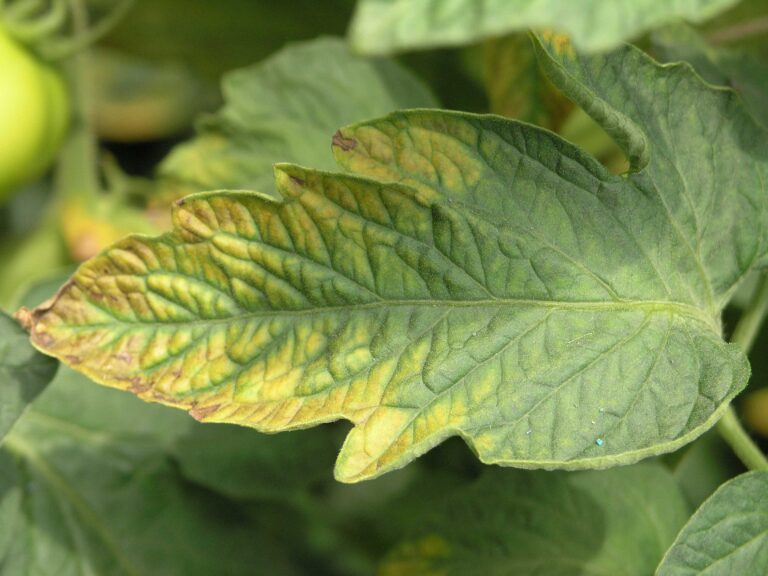
Plants need three main nutrients, listed on every fertilizer package as the NPK value: Nitrogen (N) promotes leaf growth and produces lush green foliage. Phosphorus (P) supports root development and flowering. Potassium (K) strengthens cell walls and makes the plant more resistant to disease and drought. A balanced all-purpose fertilizer has an NPK ratio of roughly 7-3-6. Foliage plants benefit from a higher nitrogen content, while flowering plants benefit from more phosphorus and potassium. Plants also need trace elements such as iron, magnesium, zinc, and copper, which are included in high-quality fertilizers.
Liquid Fertilizer: The All-Rounder
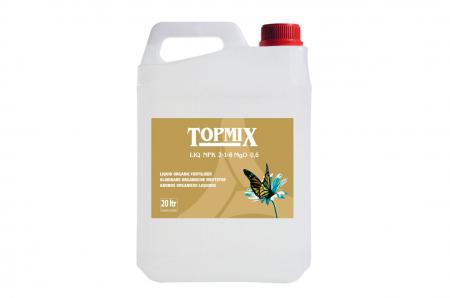
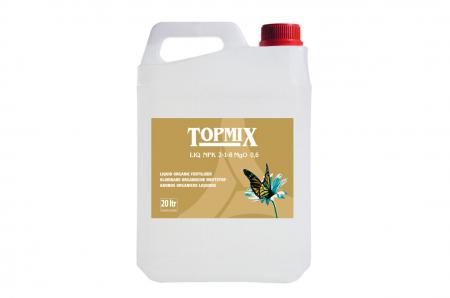
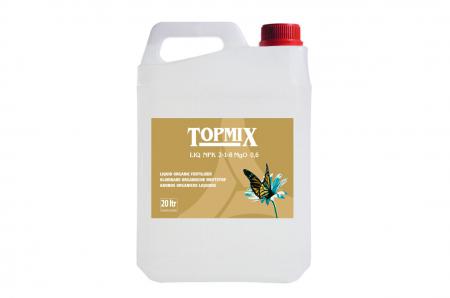
Liquid fertilizer is the most popular type for houseplants. It’s mixed into the watering can and is immediately available to the plant. The advantages: precise dosing, fast results, and even distribution throughout the substrate. Weekly feeding with liquid fertilizer is ideal, especially during the growing season.
Slow-Release Fertilizer: Feeding in Advance
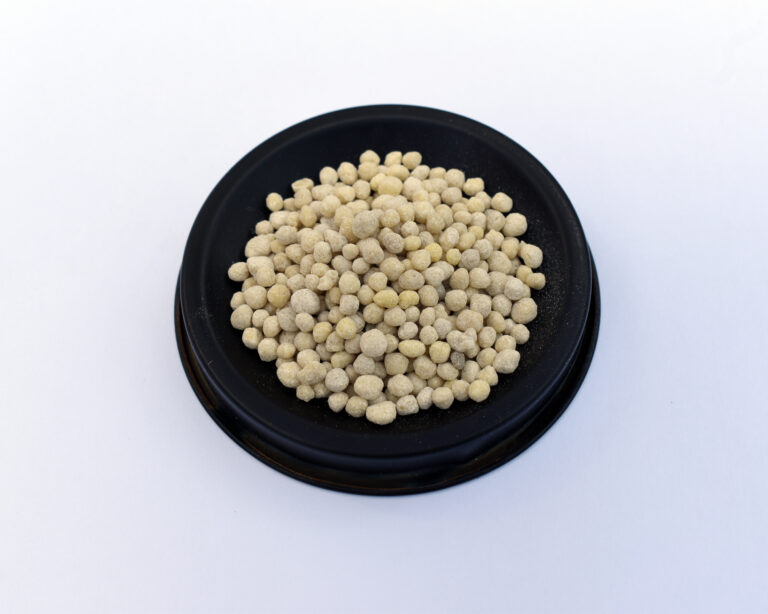
Slow-release fertilizers are worked into the substrate once and release nutrients continuously over several months. The small granules are coated with a semi-permeable resin layer that controls nutrient release based on temperature and moisture. This is perfect for anyone who doesn’t want to fertilize weekly – a single application in spring is often enough for the whole season.
| Fertilizer Type | Advantages | Disadvantages | Suitable For |
|---|---|---|---|
| Liquid fertilizer | Fast-acting, easy to dose precisely | Needs weekly application | Houseplants, container plants |
| Slow-release fertilizer | One application, steady supply | Releases less in cold weather | Balcony plants, larger containers |
| Fertilizer sticks | Convenient, clean, easy to use | Uneven distribution | Individual houseplants |
| Organic fertilizer | Sustainable, improves soil structure | Slower acting, can have an odor | Vegetables, herbs, organic gardens |
Organic vs. Mineral: Which Is Better?
Mineral fertilizers supply nutrients in pure form and act quickly. Organic fertilizers made from natural raw materials such as horn shavings, guano, or algae work more slowly but also improve soil structure. For houseplants grown in high-quality potting soil, mineral fertilizers are the more precise choice. In the garden, organic fertilizers are the more sustainable option.
Recommended Products
A few specific, well-regarded products illustrate each type described above:
| Product | Type | Price Tier | Best For |
|---|---|---|---|
| Miracle-Gro Water Soluble All Purpose Plant Food | Liquid | $ | Weekly feeding, fast results |
| Osmocote Smart-Release Plant Food | Slow-release granules | $$ | Season-long feeding, low maintenance |
| Jobe’s Fertilizer Spikes for Houseplants | Spikes | $ | Individual houseplants, simplicity |
| Espoma Plant-tone | Organic granular | $$ | Vegetable gardens, sustainable growing |
How to Choose the Right Fertilizer
For most houseplants, a balanced liquid fertilizer applied weekly during the growing season is the best all-around choice. If you prefer convenience, a slow-release fertilizer applied once in spring keeps plants supplied for months. For flowering plants, look for a formula with a higher potassium content to encourage blooming. Fertilizer sticks work well if you only have a few individual houseplants to care for, while gardeners who prioritize sustainability may prefer an organic option.
Conclusion
The best plant fertilizer for you depends on your plants and your preferences. For most houseplants, a balanced liquid fertilizer is the best choice, complemented by a slow-release fertilizer for convenience. Pay attention to the NPK values and only fertilize during the growing season. Less is often more – over-fertilizing damages roots more than under-feeding does.